


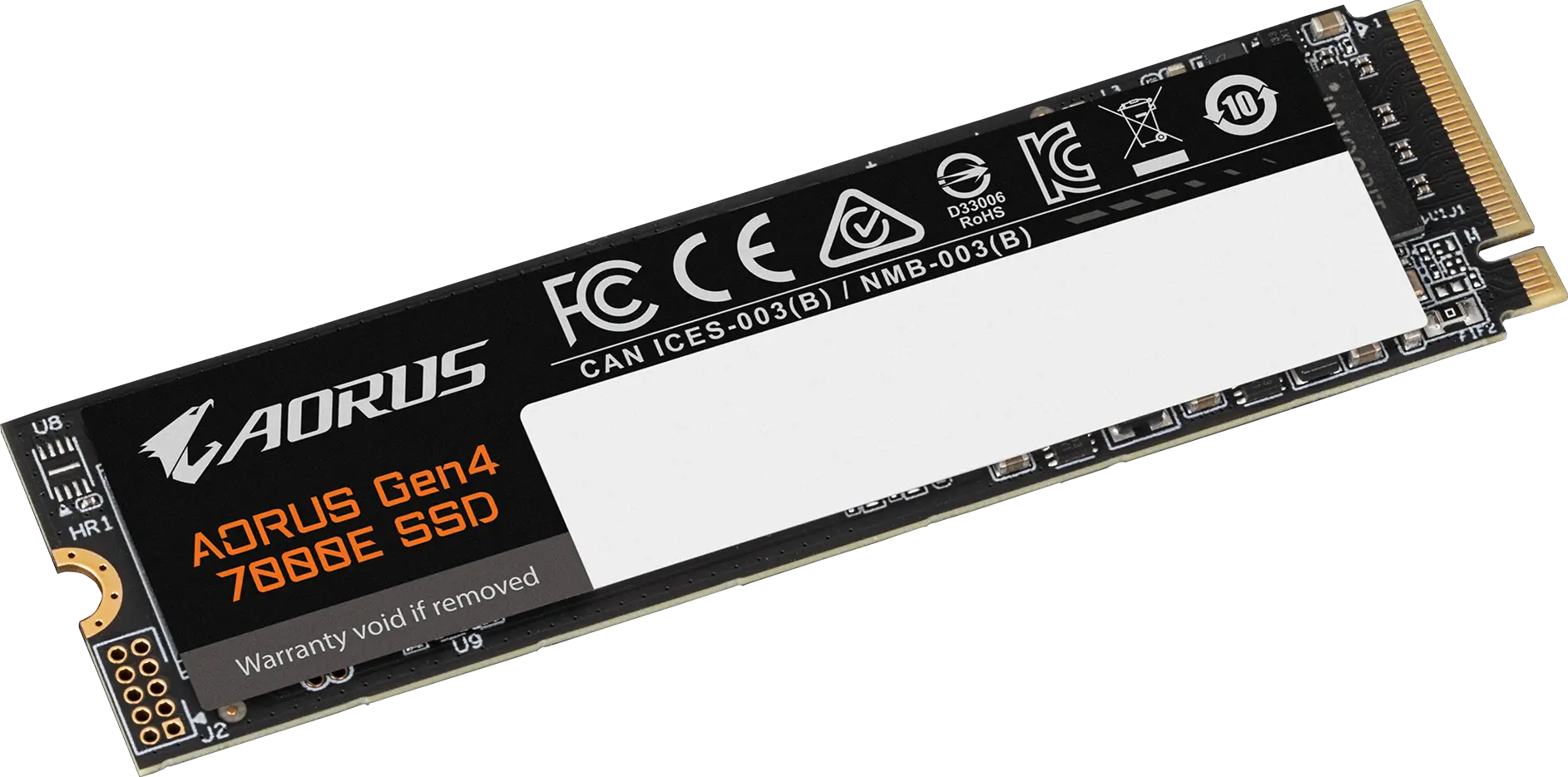
 Gigabyte AORUS Gen4 7000E2 TB · M.2 2280 single-sided without heatsink · AG470E2TB
- Rated sequential read
- 7100 MB/sThis one: 7000 MB/s
- Rated sequential write
- 6500 MB/sThis one: 5100 MB/s

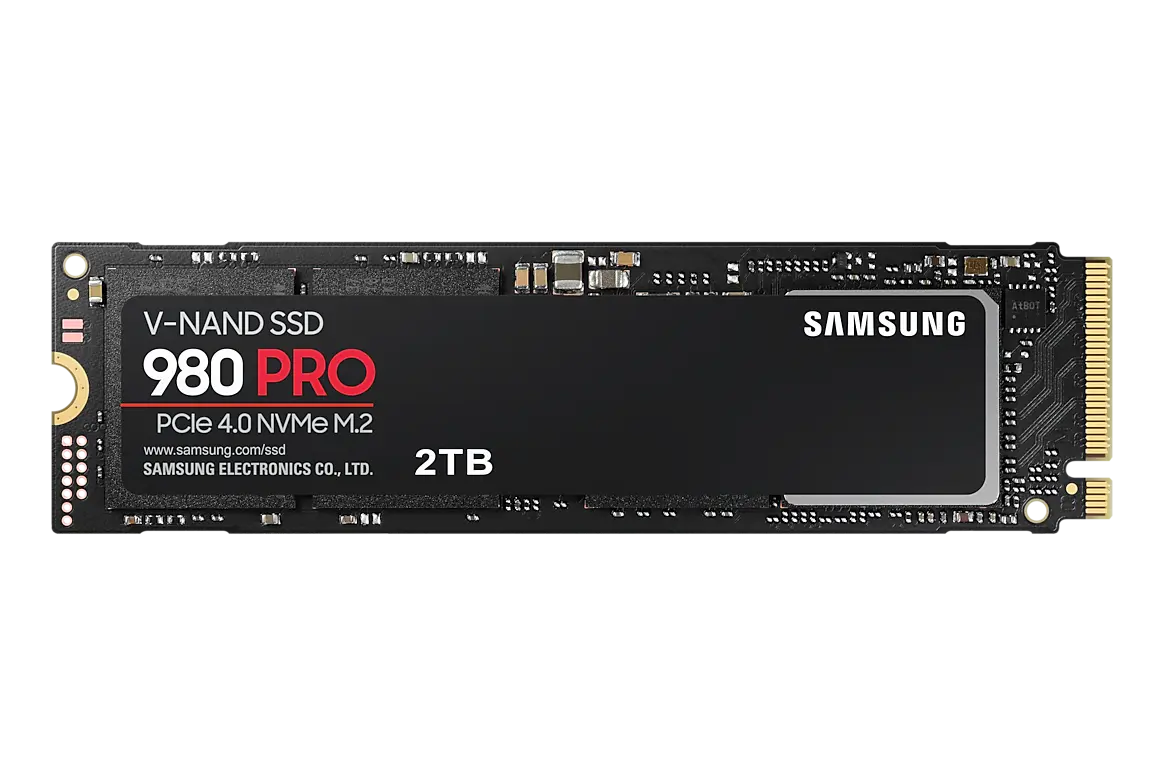
2 TB · M.2 2280 without factory heatsink · Samsung part MZ-V8P2T0BW
A 2 TB PCIe 4.0 NVMe SSD rated up to 7,000 MB/s read and 5,100 MB/s write, with TLC V-NAND, 2 GB LPDDR4 cache and a 1,200 TB write rating. It has no factory heatsink.
As an Amazon Associate I earn from qualifying purchases.
Email me when the Samsung 980 PRO gets cheaper on eBay. We check exact-model listings once a day at 12:00 UTC.
Specifications checked 11 Sept 2026Manufacturer specifications, not a hands-on test.
The nearest checked drives by key specifications, with what differs from the Samsung 980 PRO. The first matches the Compare button above.
Gigabyte AORUS Gen4 7000E2 TB · M.2 2280 single-sided without heatsink · AG470E2TB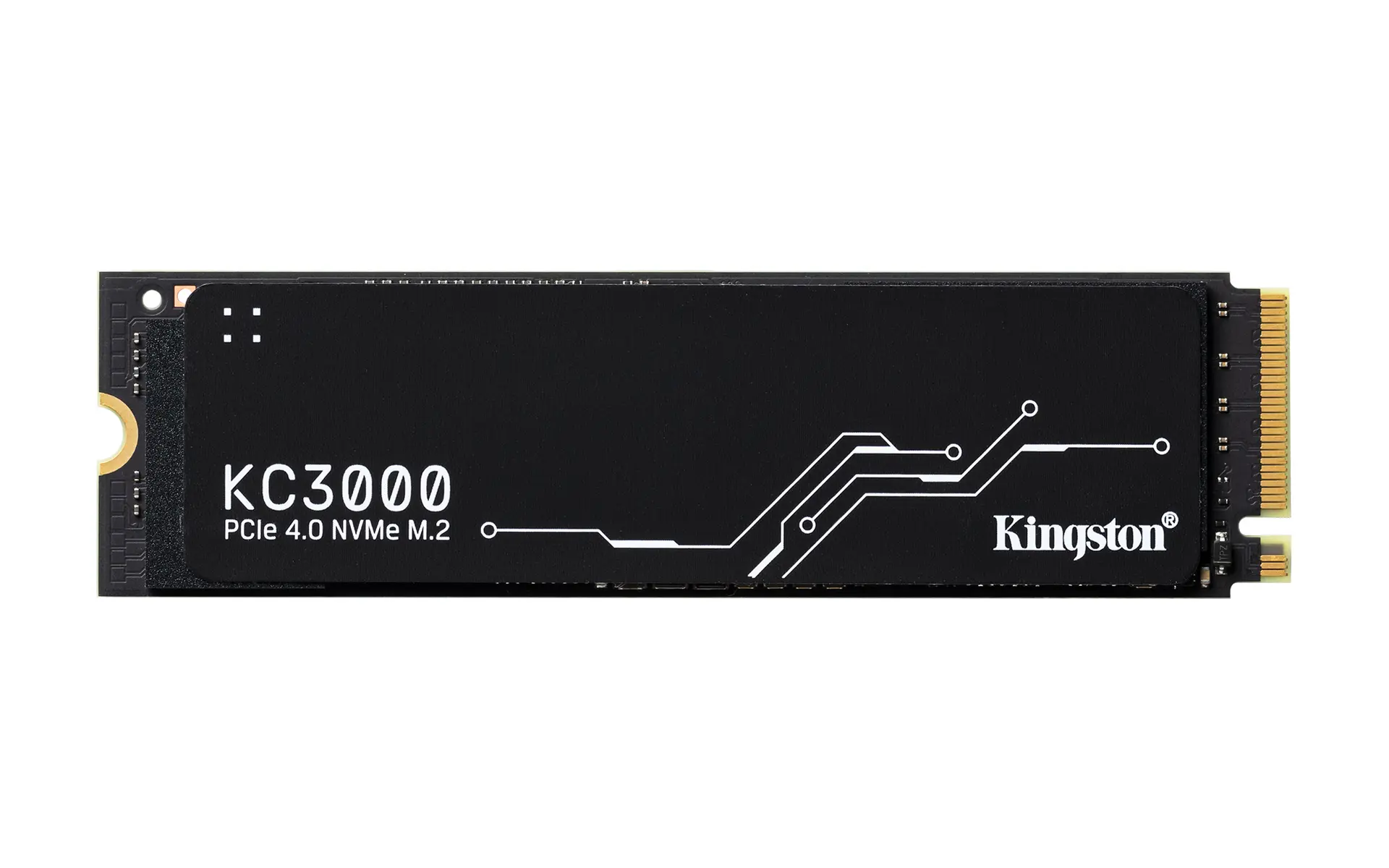 Kingston KC30002048 GB · M.2 2280 with thin heat spreader · SKC3000D/2048G
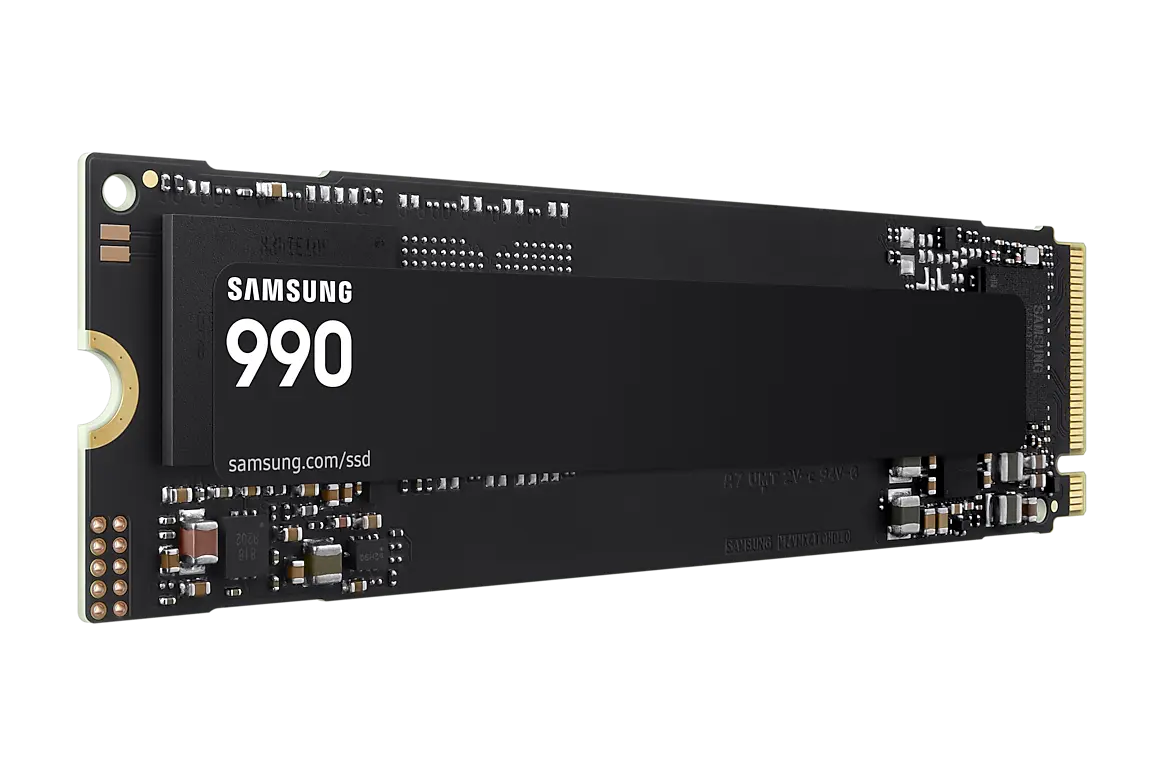 Samsung 9902 TB · M.2 2280 without factory heatsink · MZ-V9V2T0BW
Rated up to 7,000 MB/s sequential read and 5,100 MB/s sequential write over PCIe 4.0 x4, with up to 1 million random read and write IOPS.
TLC V-NAND with a 2 GB LPDDR4 DRAM cache and Samsung's Elpis controller, plus a five-year warranty covering up to 1,200 TB written.
No factory heatsink, so plan for motherboard or case cooling. Peak write speed relies on the TurboWrite cache.
Exact configuration: 2 TB · M.2 2280 without factory heatsink · MZ-V8P2T0BW
47 specifications in 7 groups. Values are manufacturer specifications unless a row says “Measured result” or “Calculated from cited specifications”.
Decimal capacity; formatting and system use reduce available space.
Match the physical format and electrical interface to the host.
Host support and available lanes determine operation; interface generation is not an application-performance result.
Capacity row lists onboard LPDDR4 DRAM. Having DRAM is not a measured performance result.
SourceSamsung lists these as maximum dimensions. This version has no factory heatsink. · Manufacturer dimensions; confirm installation clearance.
Manufacturer calls this 3-bit MLC: three bits per cell, also called TLC. This is not two-bit MLC.
Manufacturer's stated DRAM cache capacity for this storage capacity.
This BW configuration has no factory heatsink; follow the host's cooling requirements.
Named Elpis on Samsung's UK technical page; the current PDF revision describes it only as a Samsung in-house controller. · UK technical page names Elpis. The current PDF revision (2.1) describes it only as a Samsung in-house controller.
Capacity LPDDR4 DRAM size; not the variable TurboWrite write-buffer capacity.
SourceOfficial thermal features. Not a factory heatsink enclosure or measured temperature advantage.
SourceUK capacity-specific maximum drive mass, not packaging.
SourcePCIe 3.0 backward compatibility. The 2 TB four-lane PCIe 3 mode ratings are listed separately; host protocol and lane availability determine operation.
SourceSamsung IOmeter 1.1.0 claims: Ryzen 9 3900X, ASUS X570 ROG Crosshair VIII Formula, Windows 10 Pro; secondary drive. The datasheet lists additional BIOS, memory and CPU settings used for the test. Writes use Intelligent TurboWrite; peak rates depend on firmware, host, workload and cache state.
SourceSamsung IOmeter 1.1.0 claims: Ryzen 9 3900X, ASUS X570 ROG Crosshair VIII Formula, Windows 10 Pro; secondary drive. The datasheet lists additional BIOS, memory and CPU settings used for the test. Writes use Intelligent TurboWrite; peak rates depend on firmware, host, workload and cache state.
SourceSamsung IOmeter 1.1.0 claims: Ryzen 9 3900X, ASUS X570 ROG Crosshair VIII Formula, Windows 10 Pro; secondary drive. The datasheet lists additional BIOS, memory and CPU settings used for the test. Writes use Intelligent TurboWrite; peak rates depend on firmware, host, workload and cache state.
Up to, 4 KB QD32 / 16 threads; IOmeter 1.1.0, Ryzen 9 3900X / ASUS X570 Crosshair VIII Formula, Windows 10 Pro, secondary drive. PDF lists altered BIOS, memory and CPU settings; writes require TurboWrite. Not directly comparable to a four-thread Intel test.
SourceUp to, 4 KB QD32 / 16 threads; IOmeter 1.1.0, Ryzen 9 3900X / ASUS X570 Crosshair VIII Formula, Windows 10 Pro, secondary drive. PDF lists altered BIOS, memory and CPU settings; writes require TurboWrite. Not directly comparable to a four-thread Intel test.
SourceUp-to QD1 / one-thread value for this capacity under the manufacturer performance test setup. Not measured application latency.
SourceUp-to QD1 / one-thread 60000 IOPS for this 2 TB capacity with Intelligent TurboWrite under the stated modified Ryzen/ASUS test setup. Not application latency.
SourcePeak write claims require the buffer. Samsung does not list the buffer capacity or post-cache write speed.
2 TB backward-compatible mode in PDF footnote 2. Not the PCIe 4.0 peak figures or the 1 TB/250 GB values. Same manufacturer TurboWrite/test qualifications; actual host may differ.
SourceCapacity-specific warranty write threshold, not a guaranteed failure point.
Time limit, not predicted lifespan; coverage also ends at the TBW threshold and is subject to full terms.
Manufacturer coverage is subject to purchase eligibility and applicable terms. A used drive may have less coverage left.
Application class, not universal system/console compatibility.
SourceStatistical claim, not an individual lifespan or warranty.
Source2 TB column, IOmeter 1.1.0 on Ryzen 7 3700X, 16 GB DDR4, Gigabyte X570 AORUS Master, Windows 10 Pro. This differs from the performance host. Idle requires autonomous power-state operation; values are not constant household-use loads.
SourceUK page maximum burst-mode claim; distinct from average active, idle or constant use.
SourceUK electrical requirement, not sufficient proof of host compatibility.
SourceThe UK page supports device sleep. Host support is required; device sleep is not the same as Modern Standby and gives no battery-life figure.
SourceThe UK page labels a system-level average and a burst maximum. Hardware/configuration affect consumption. These are distinct from datasheet active read/write and idle/sleep states and are not a constant everyday load.
SourceManufacturer capabilities, not encryption enabled by default or every-host support.
SourceRequires operating-system support as stated by manufacturer.
SourceMonitoring capability, not predicted remaining life.
SourceListed internal function.
SourceManufacturer feature block lists monitoring and software/firmware updates. OS/version support and feature prerequisites require separate checking.
SourceProduct page states WWN unsupported.
SourceMeasured by the drive's S.M.A.R.T. temperature; Samsung recommends adequate airflow.
PDF non-operating range −40–85 °C, distinct from 0–70 °C operation.
SourceManufacturer specifies non-condensing conditions. This environmental range is not waterproofing or an IP rating.
SourceManufacturer non-operating claim, not a device drop test.
SourceManufacturer frequency/rating; results from different test protocols are not directly comparable.
SourceNo installation kit is included.
SourceSamsung does not state this for this model. · Samsung does not list a bundled cloning tool for this model. Magician health monitoring and firmware updates alone do not confirm migration support.
More of the nearest checked drives by key specifications, for a side-by-side comparison.
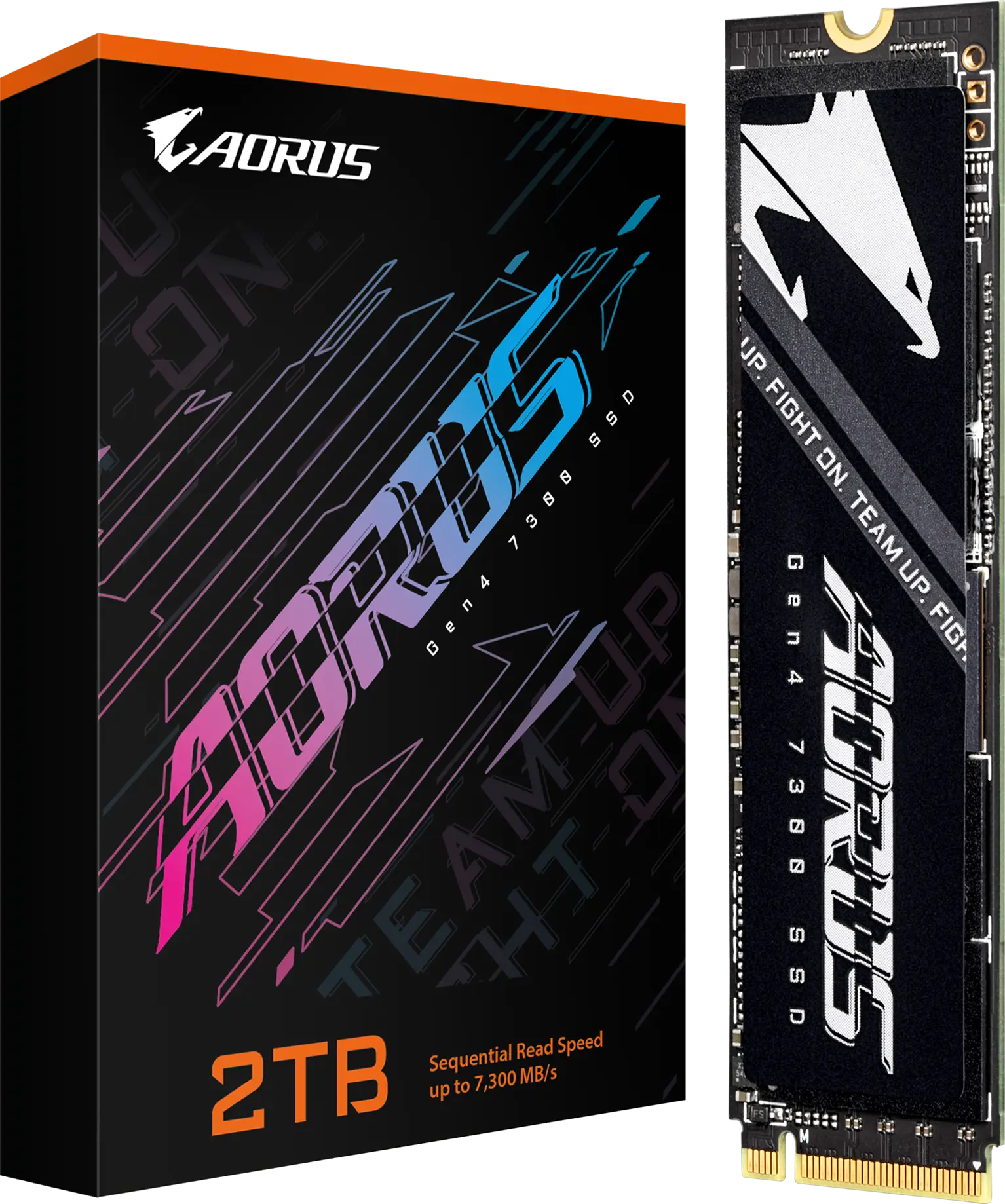 Gigabyte AORUS Gen4 73002 TB · M.2 2280 double-sided without heat spreader · AG4732TB NCompare the two
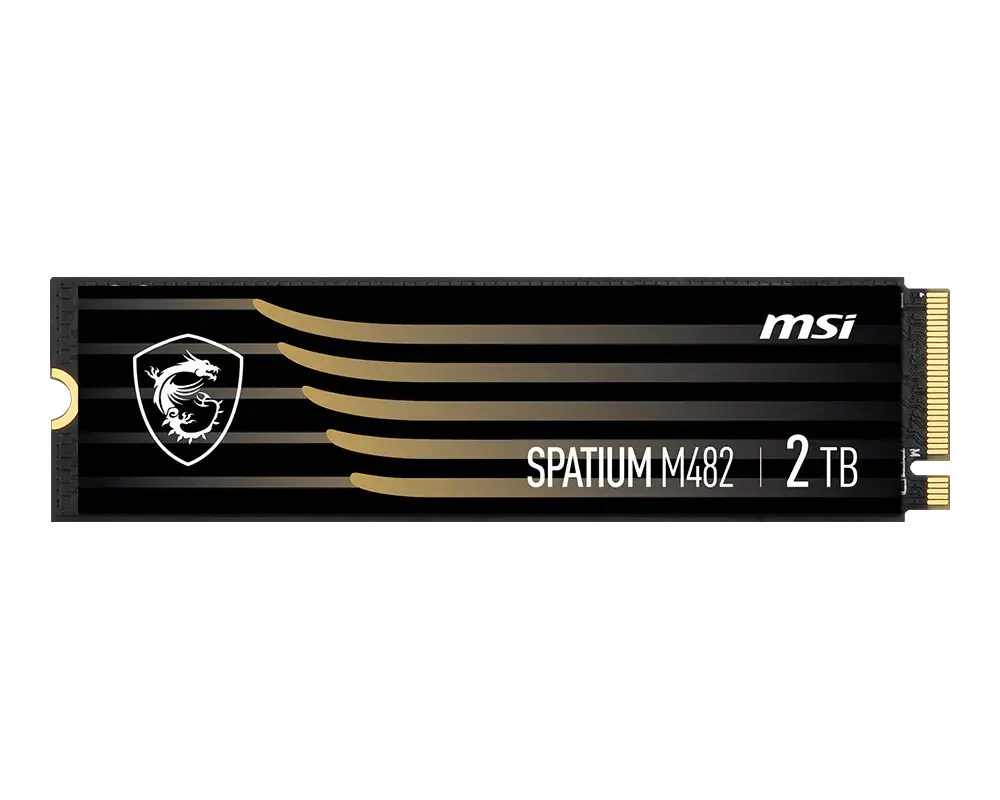 MSI SPATIUM M4822 TB · PCIe 4.0 NVMe M.2 2280 without heatsinkCompare the two
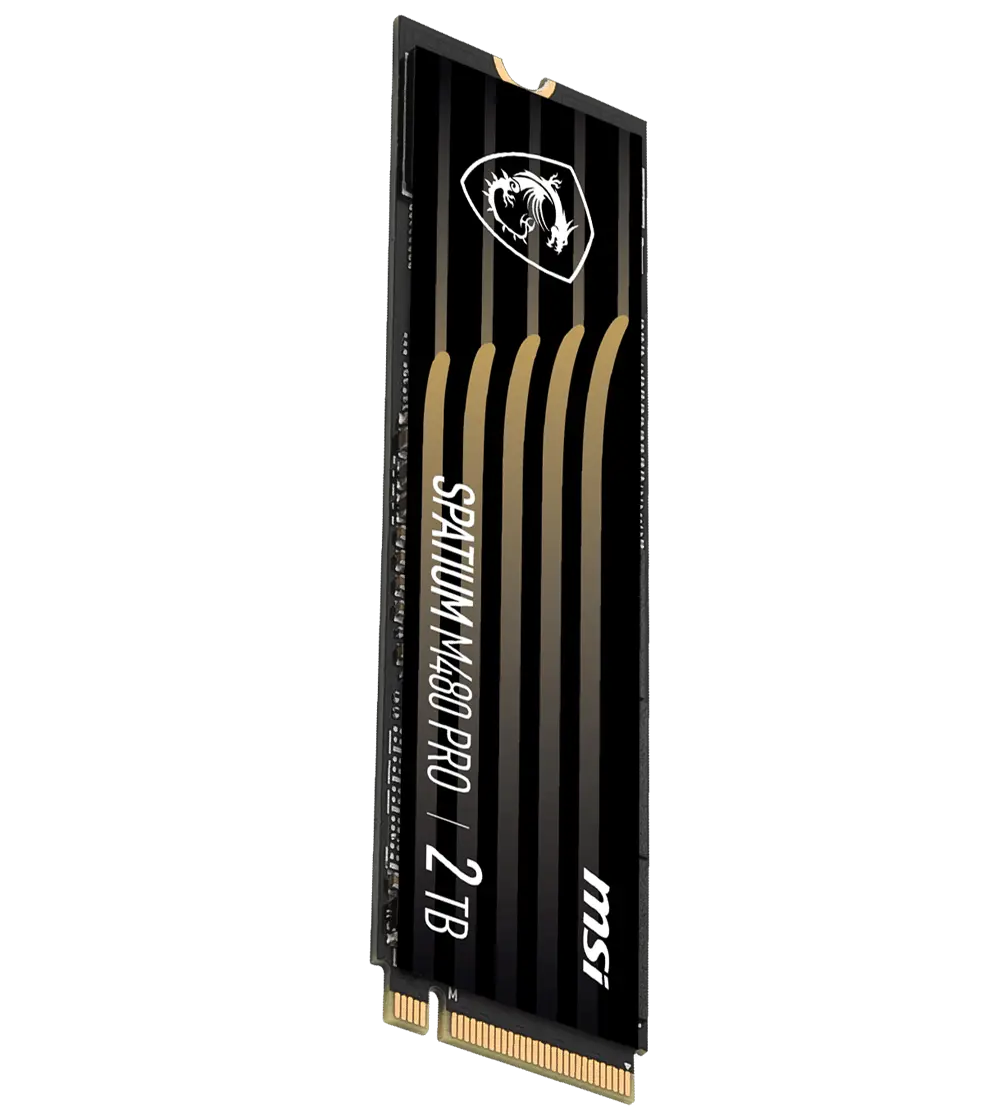 MSI SPATIUM M480 PRO2 TB · PCIe 4.0 NVMe M.2 2280 without heatsinkCompare the two
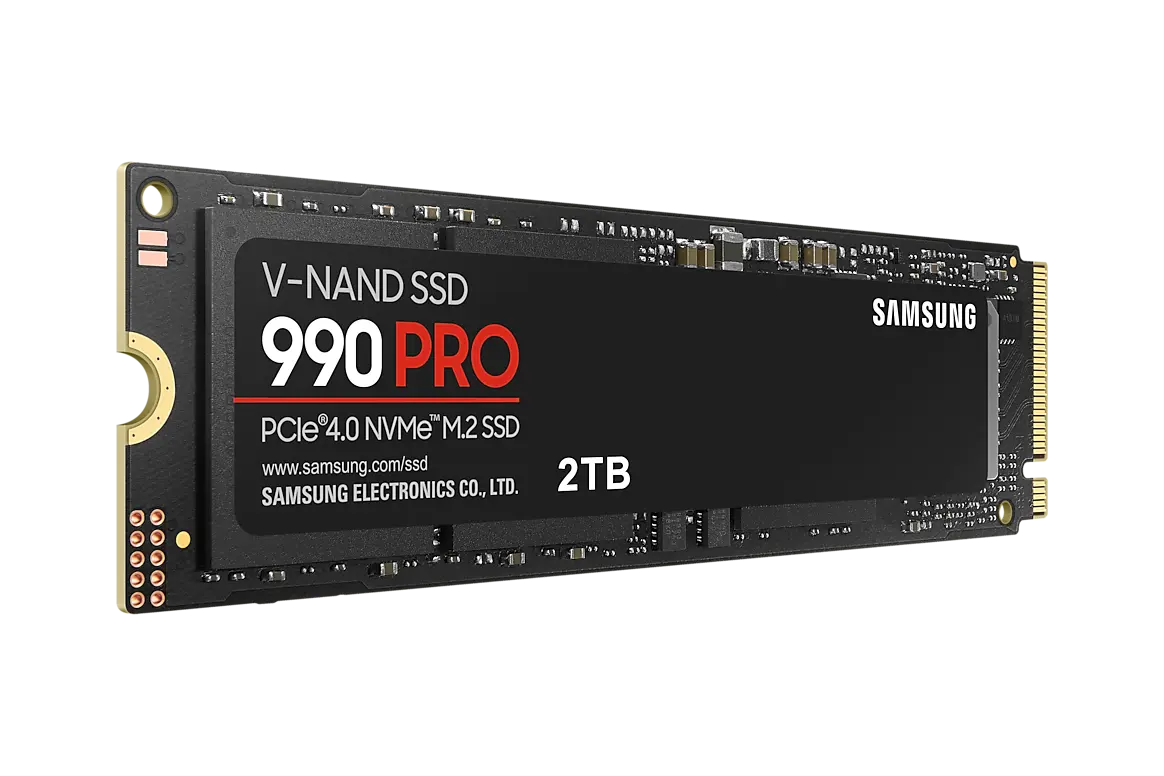 Samsung 990 PRO2 TB · without factory heatsink · MZ-V9P2T0BWCompare the two
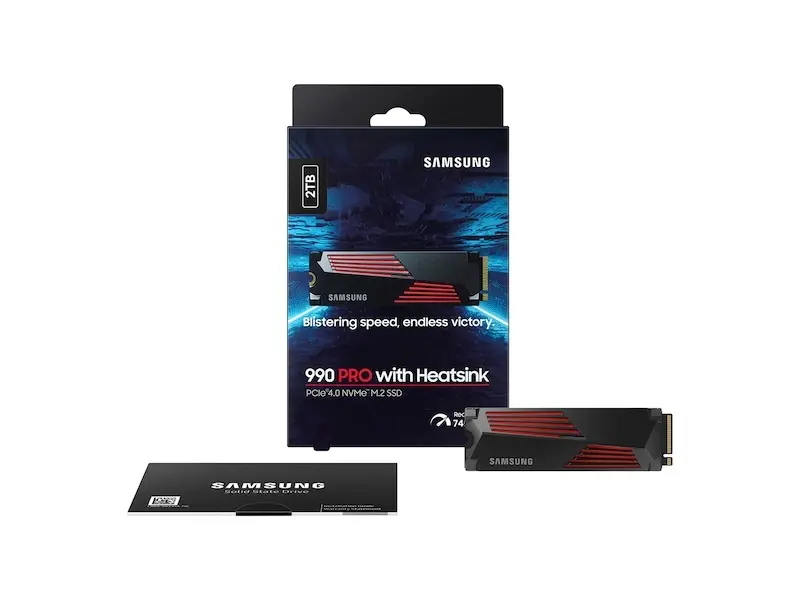 Samsung 990 PRO with Heatsink2 TB · M.2 2280 with factory heatsink · MZ-V9P2T0CWCompare the two
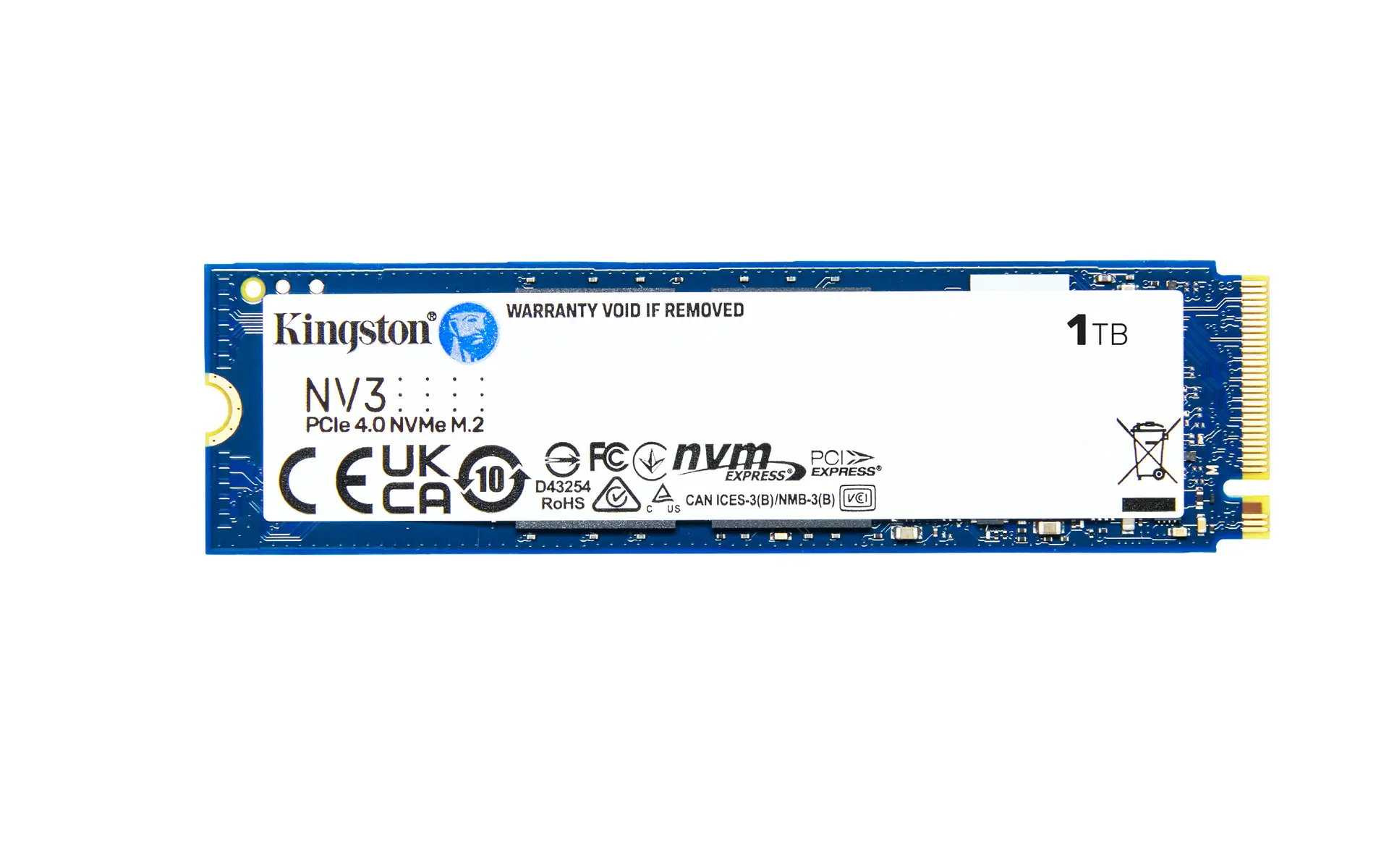 Kingston NV31000 GB · M.2 2280 · SNV3S/1000GCompare the two
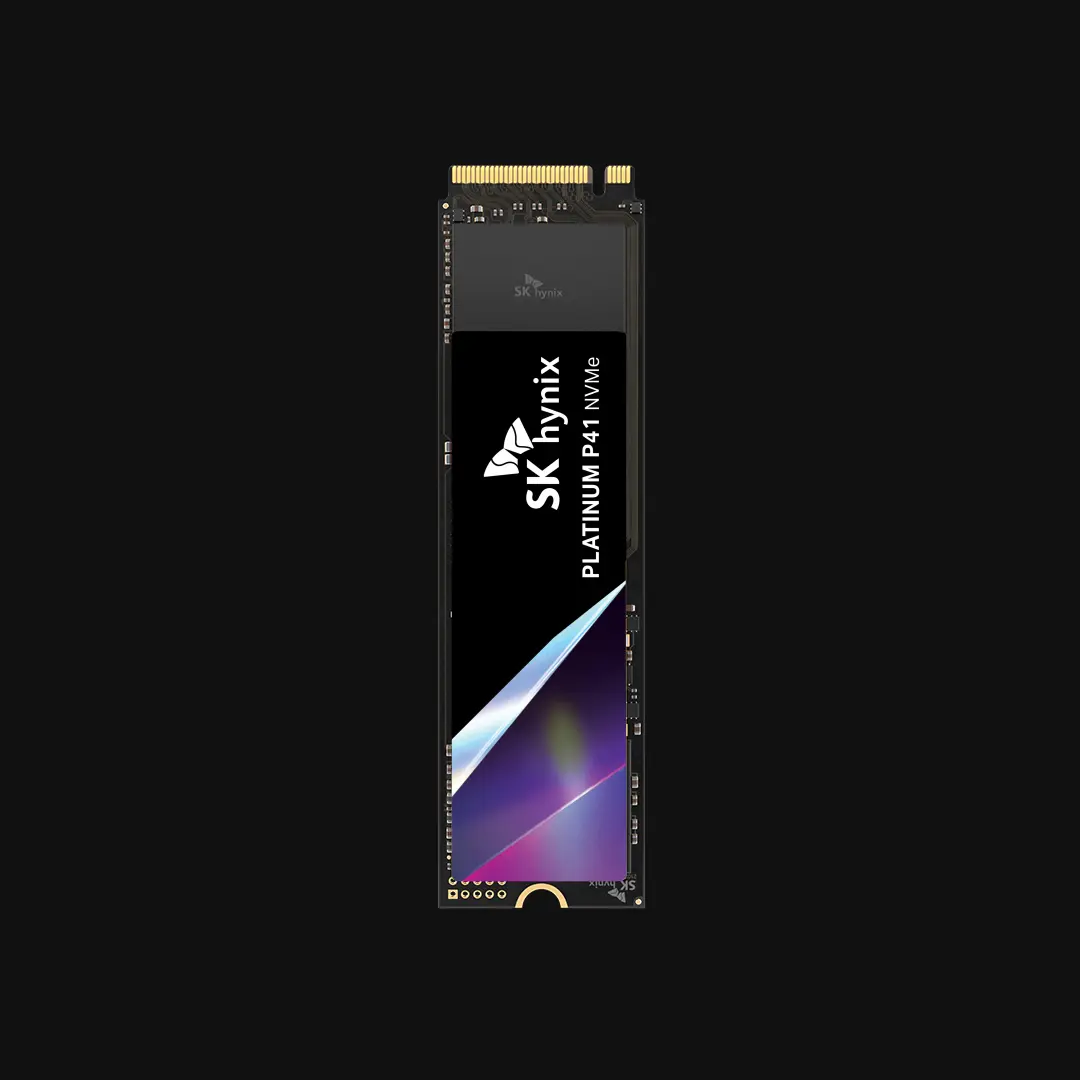 SK hynix Platinum P412 TB · M.2 2280 single-sided · no heatsink · SHPP41-2000GM-2Compare the two
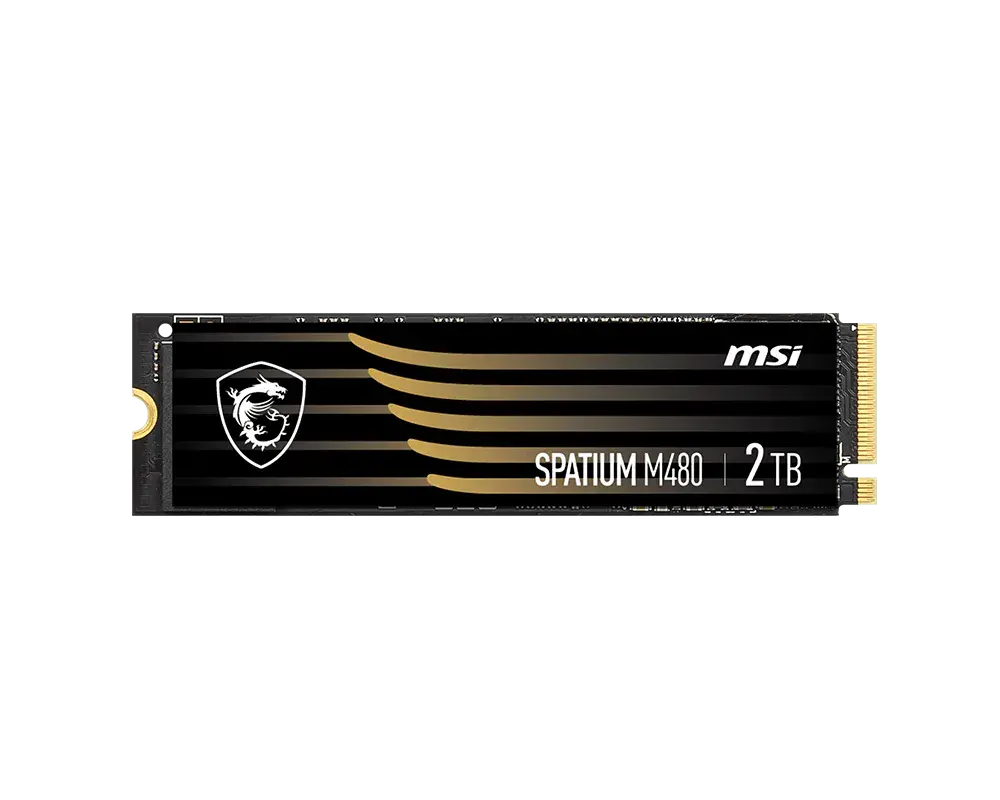 MSI SPATIUM M4802 TB · PCIe 4.0 NVMe M.2 2280 without heatsinkCompare the two