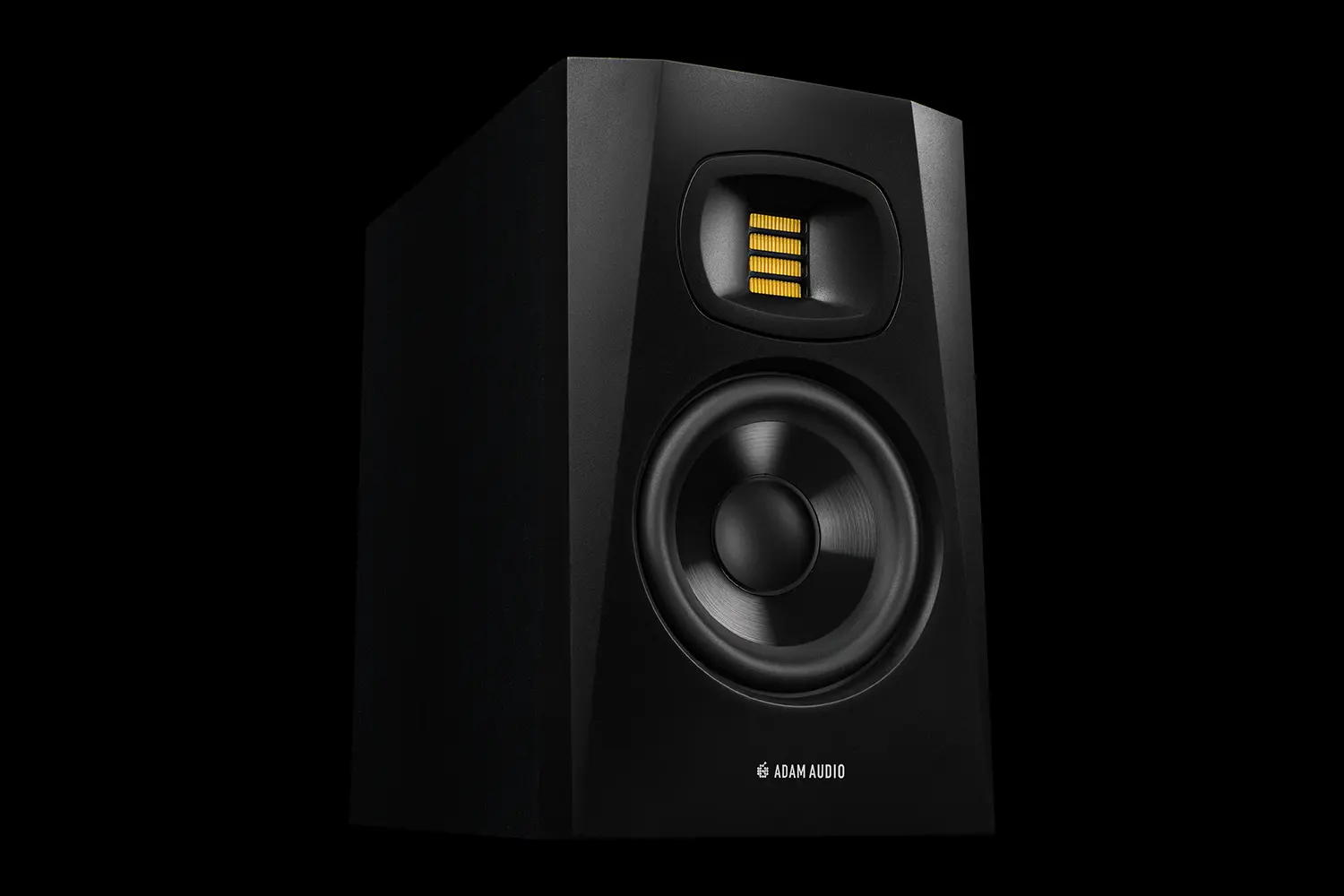


Key strengths
Rated 39 Hz – 25 kHz (-6 dB) with a 2.6 kHz crossover, and ADAM quotes ≥110 dB maximum SPL per pair at 1 m.
Auto-sensing 100–240 V mains input, and gain plus ±2 dB high- and low-shelf switches for placement near walls.

Black
The T7V is a single active two-way nearfield monitor with a 7-inch polypropylene woofer and ADAM's 1.9-inch U-ART folded-ribbon tweeter, driven by 50 W and 20 W RMS PWM amplifiers. It takes balanced XLR or unbalanced RCA inputs and is sold individually, so a stereo pair means buying two.
As an Amazon Associate I earn from qualifying purchases.
Email me when the ADAM Audio T7V gets cheaper on eBay. We check exact-model listings once a day at 12:00 UTC.
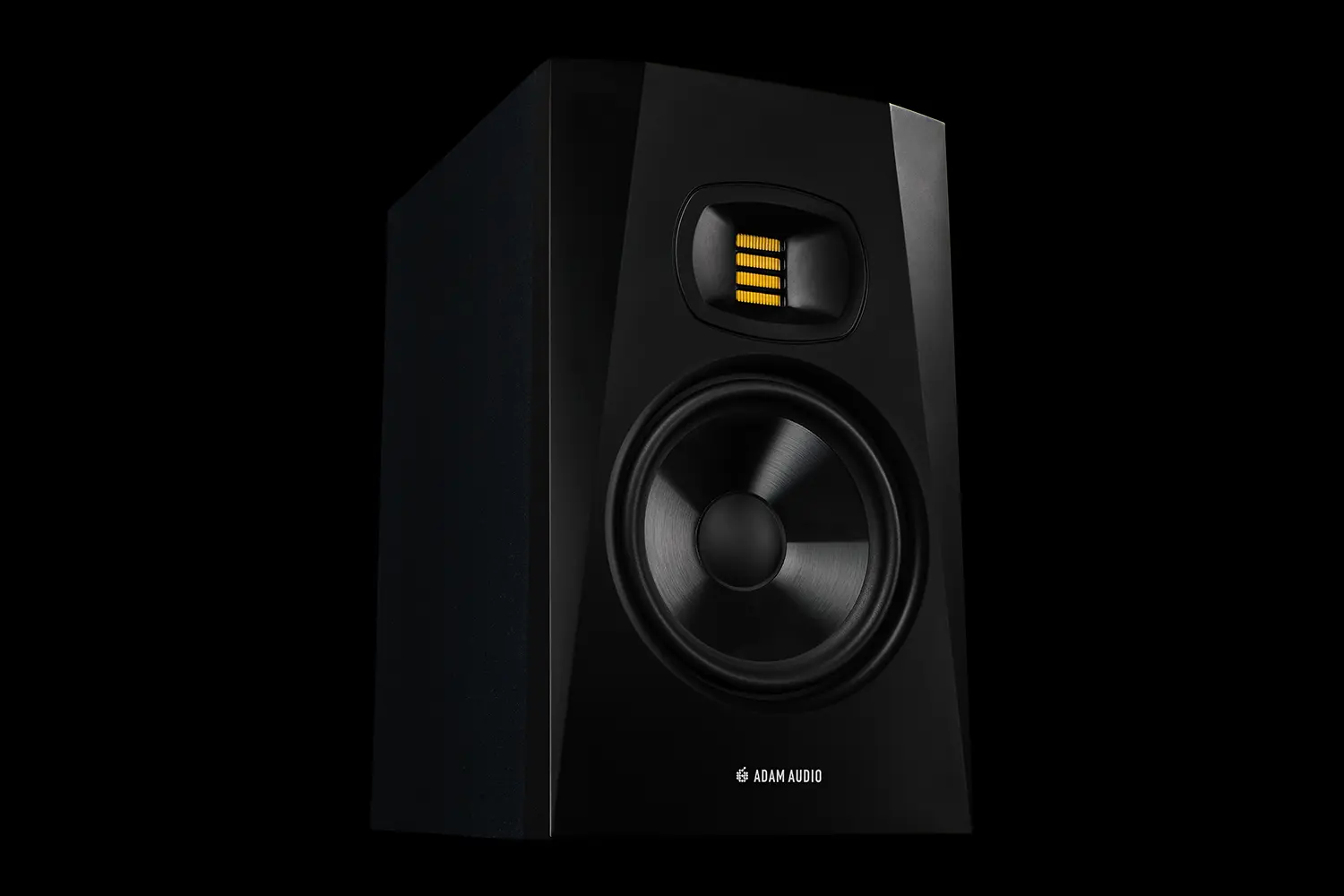
Specifications checked 26 Sept 2026Manufacturer specifications, not a hands-on test.
Rated 39 Hz – 25 kHz (-6 dB) with a 2.6 kHz crossover, and ADAM quotes ≥110 dB maximum SPL per pair at 1 m.
Auto-sensing 100–240 V mains input, and gain plus ±2 dB high- and low-shelf switches for placement near walls.
Sold singly, with no signal cables in the box.
Analogue inputs only: no Bluetooth, USB or optical input, and the XLR and RCA inputs are switched rather than mixed.
Exact configuration: Black
18 specifications in 7 groups. Values are manufacturer specifications unless a row says “Measured result” or “Calculated from cited specifications”.
A stereo setup needs two monitors; the maximum SPL is quoted per pair.
Polypropylene cone; basket diameter.
U-ART accelerated ribbon tweeter, equivalent diaphragm diameter, with HPS waveguide.
ADAM's T Series manual describes DSP-controlled driver crossovers for the T Series; the US shop says the T7V comes with new DSP technology.
Measurement level not stated.
SourceAnalogue only: no Bluetooth, USB or optical input. A 2-way switch selects which connector receives the signal.
ADAM lists the two input impedances without assigning them to the XLR and RCA inputs. The XLR input takes balanced audio at nominal +4 dBu and the RCA input unbalanced audio at nominal −10 dBV.
Manufacturer amplifier ratings per monitor; load not stated. Not a loudness measurement or power consumption (132 W max).
No battery. ADAM's shop offers US, UK/ROW and EU power-supply options, so the supplied cord is regional; the product page notes backplate printing may vary by country.
Maximum power consumption.
Manual switches and knob, not automatic room correction. The Level knob range is not published (the manual says the '0 dB' setting will be optimal in most situations). The manual's technical data list input sensitivity as 'Switchable +4 dBu / -10 dBV': the '+4 dBu' position is for the balanced XLR input and '-10 dBV' for the unbalanced RCA input; the product page lists 'Input Sensitivity: -10 to +4 dB' and 'Gain: Yes'.
The manual advises placing T Series monitors at least 16 inches from any wall, partly to prevent the wall from physically interfering with the rear-firing bass reflex ports; if they must be close to a wall, it suggests the LF switch at −2 dB.
One monitor.
Signal cables and a second monitor are not included.
More of the nearest checked speakers by key specifications, for a side-by-side comparison.
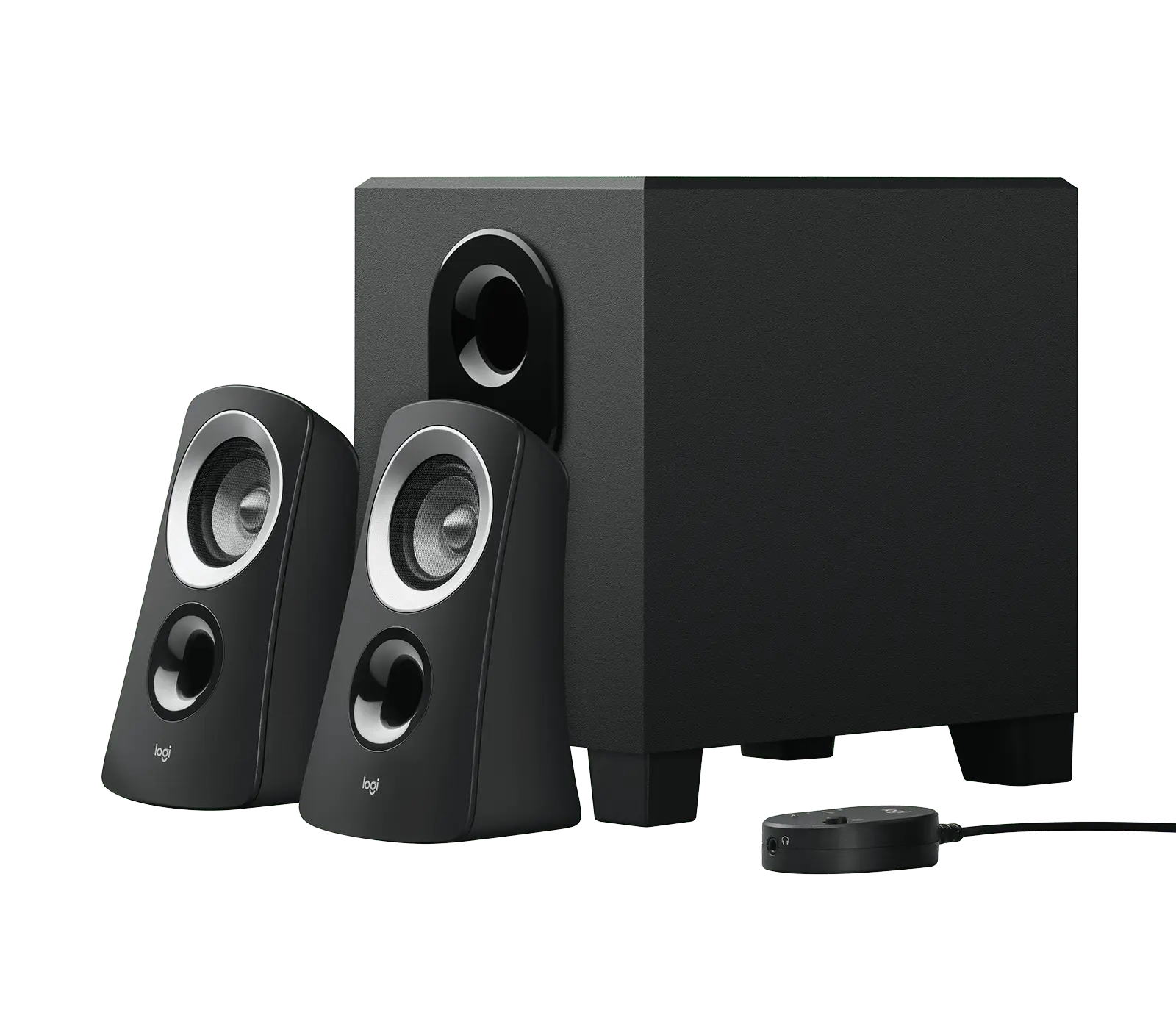 Logitech Z313BlackCompare the two
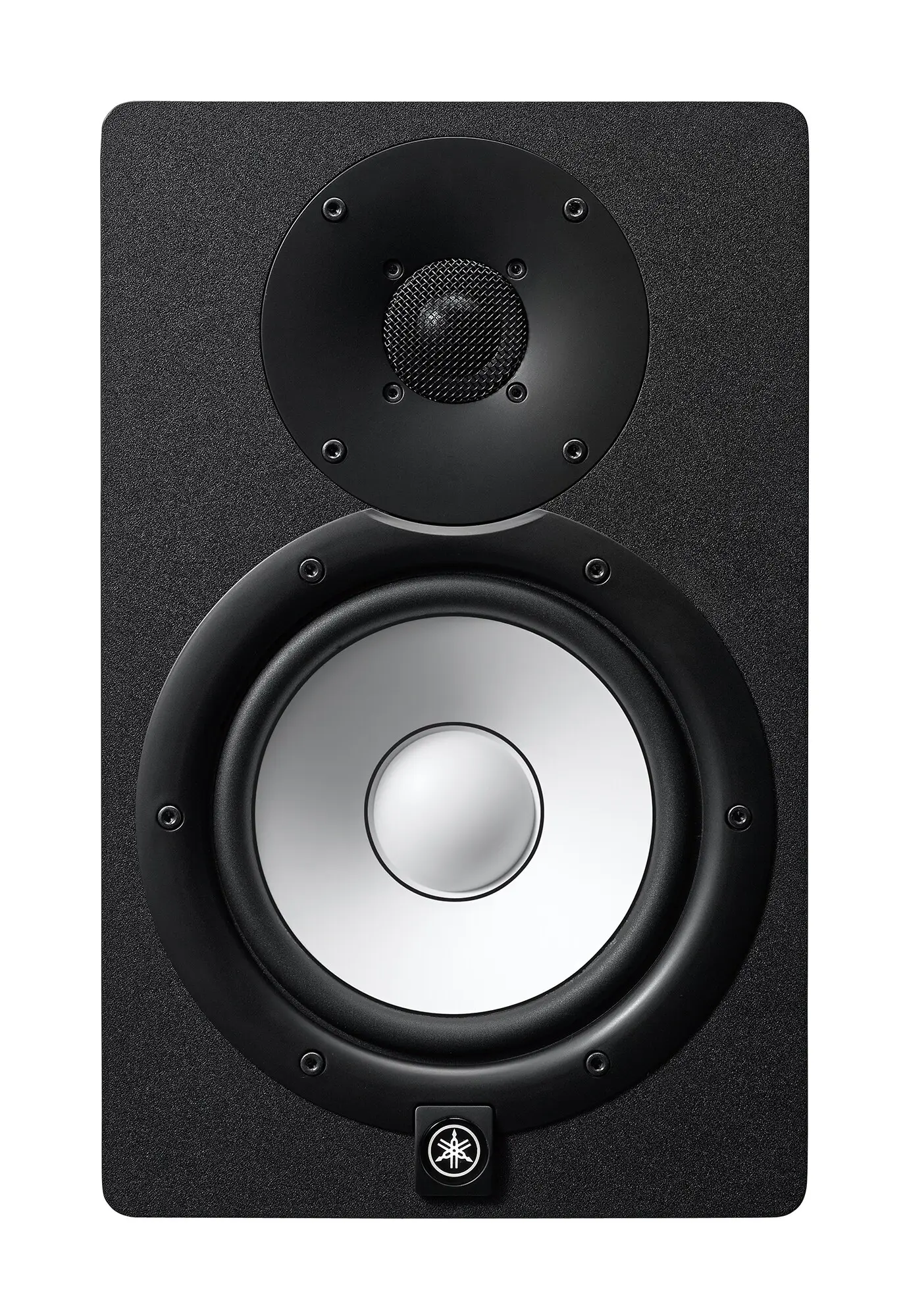
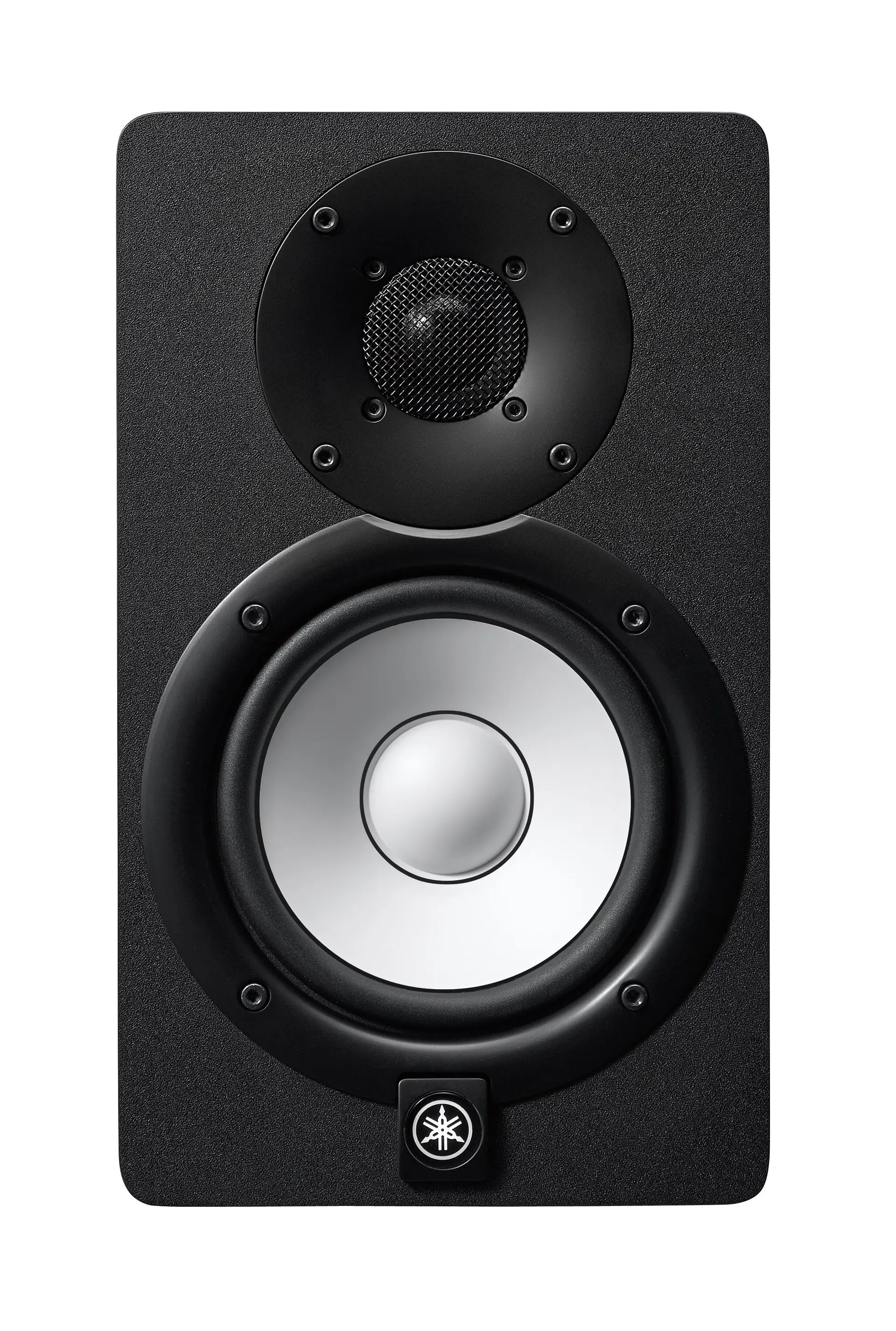 Yamaha HS5HS5 · black · single monitor · UK and Ireland specificationCompare the two
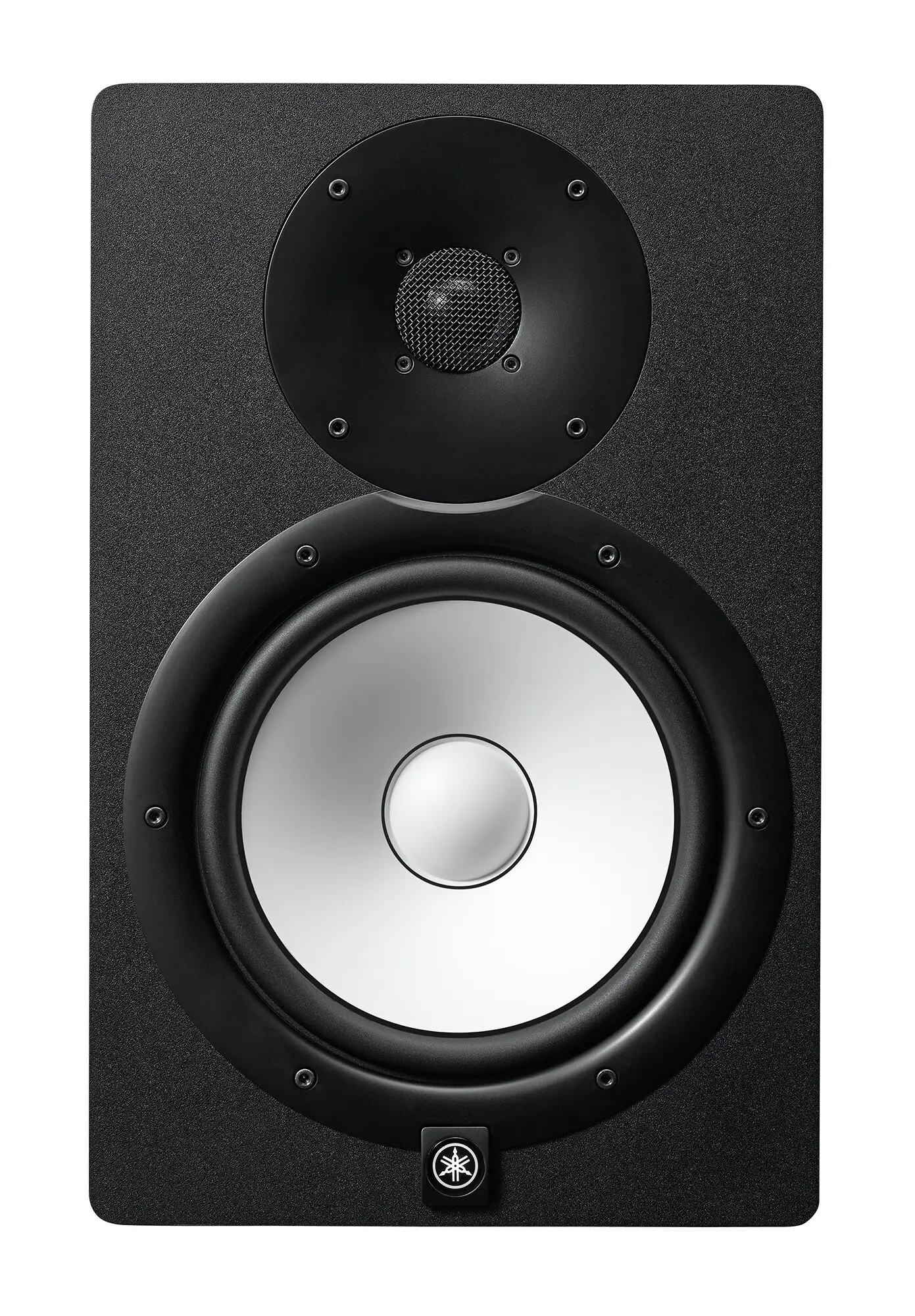
 Yamaha HS7HS7 · black · single monitor · UK and Ireland specificationCompare the two
 Yamaha HS8HS8 · black · single monitor · UK and Ireland specificationCompare the two
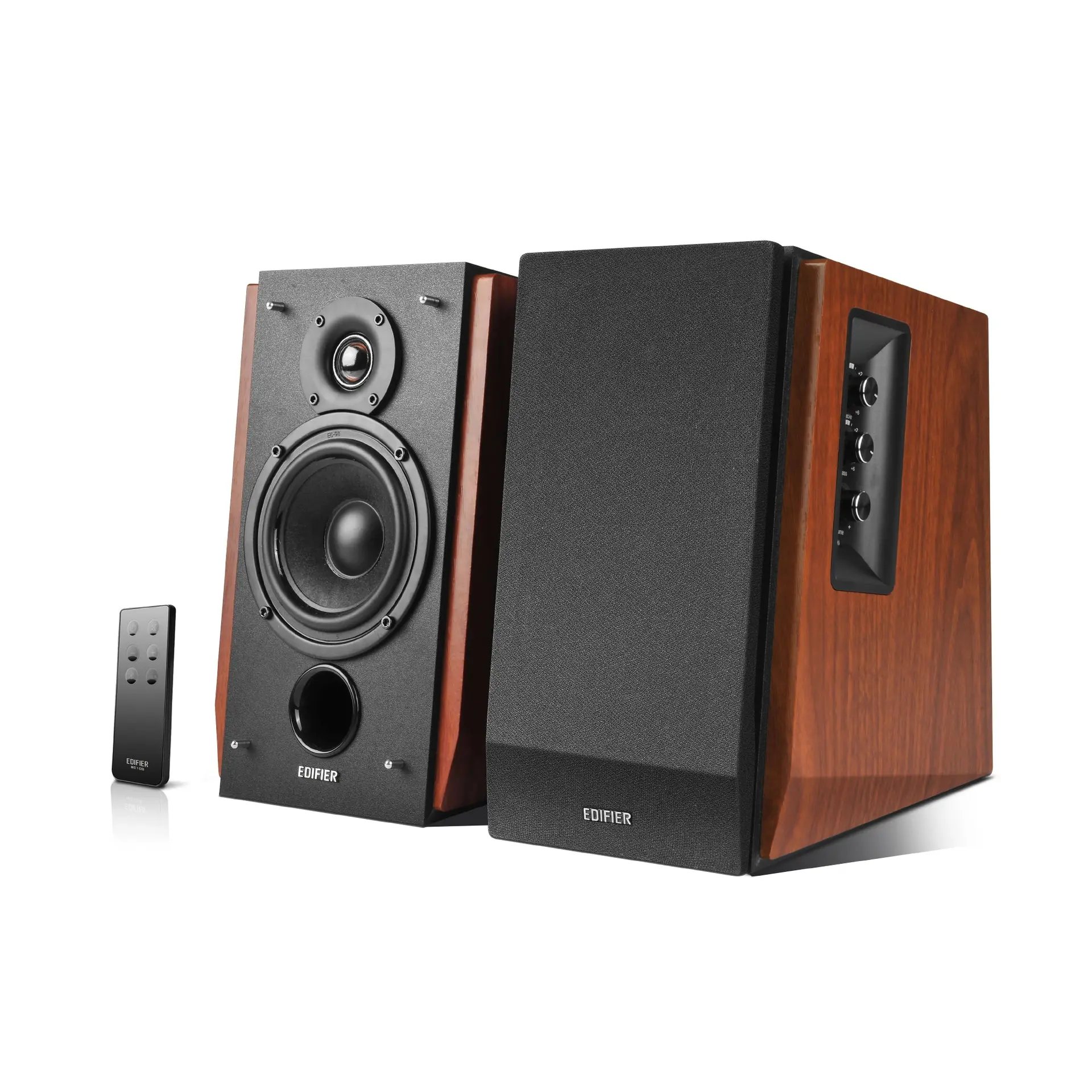 Edifier R1700BTBrownCompare the two
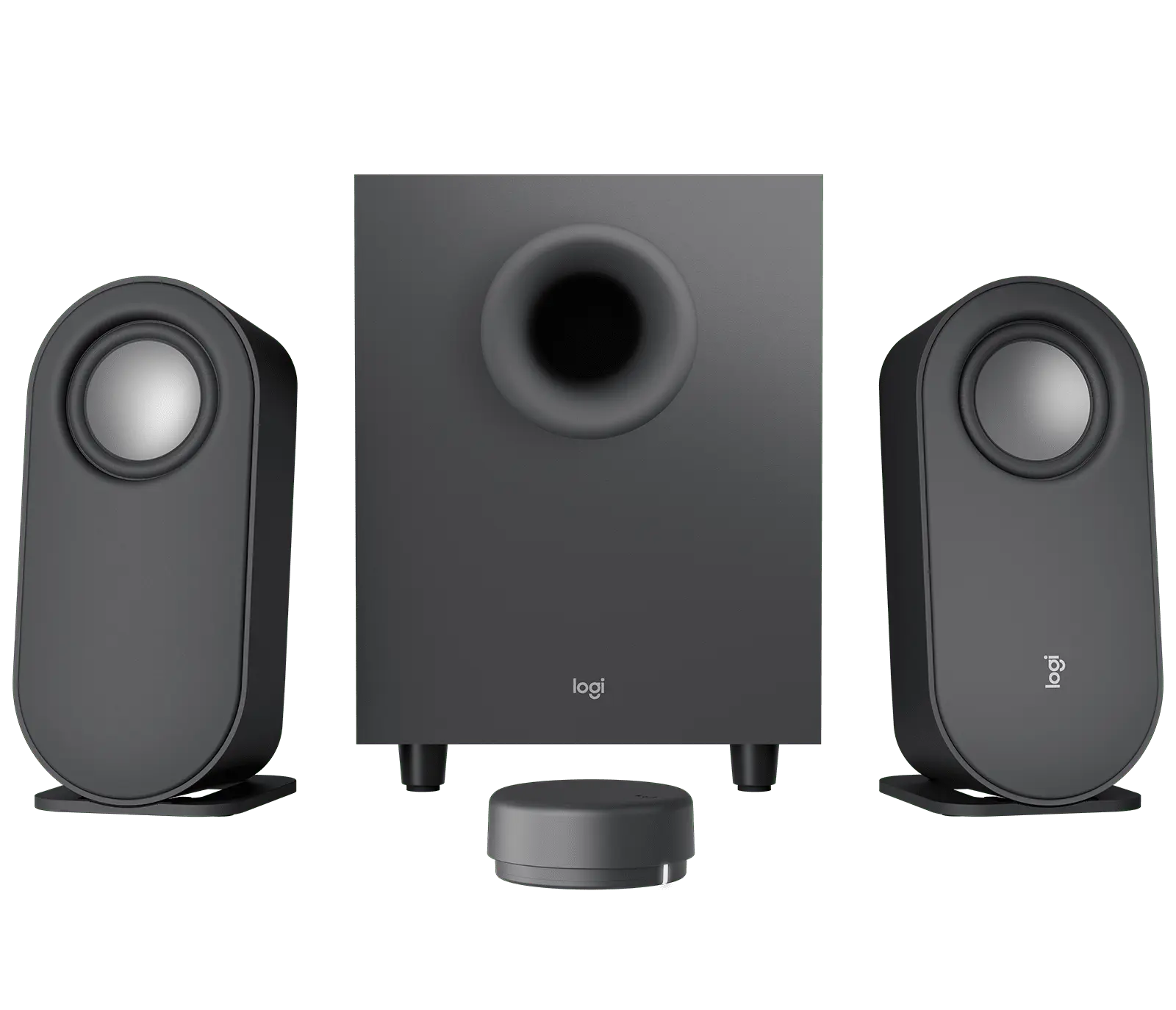 Logitech Z407GraphiteCompare the two
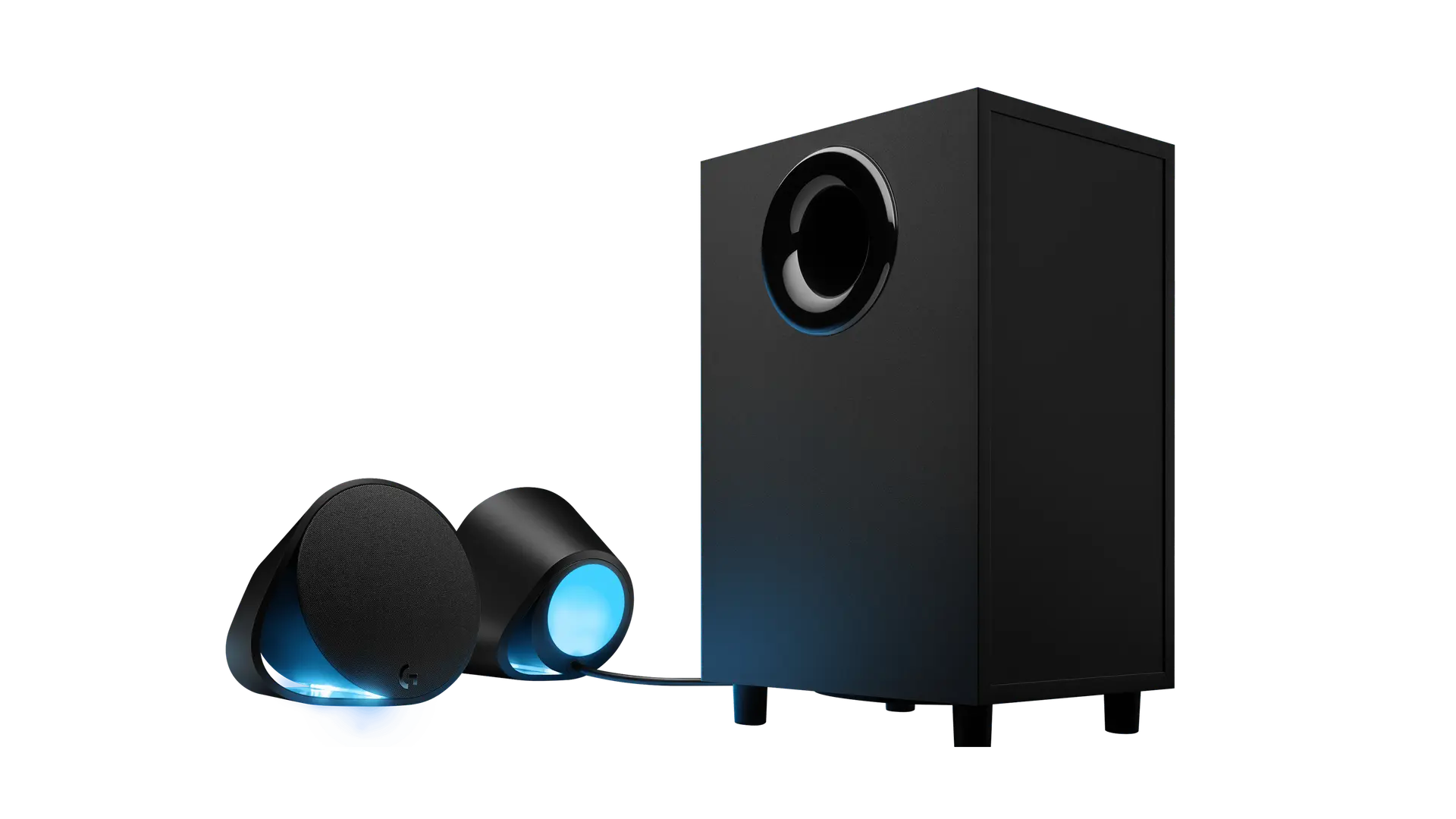 Logitech G560BlackCompare the two
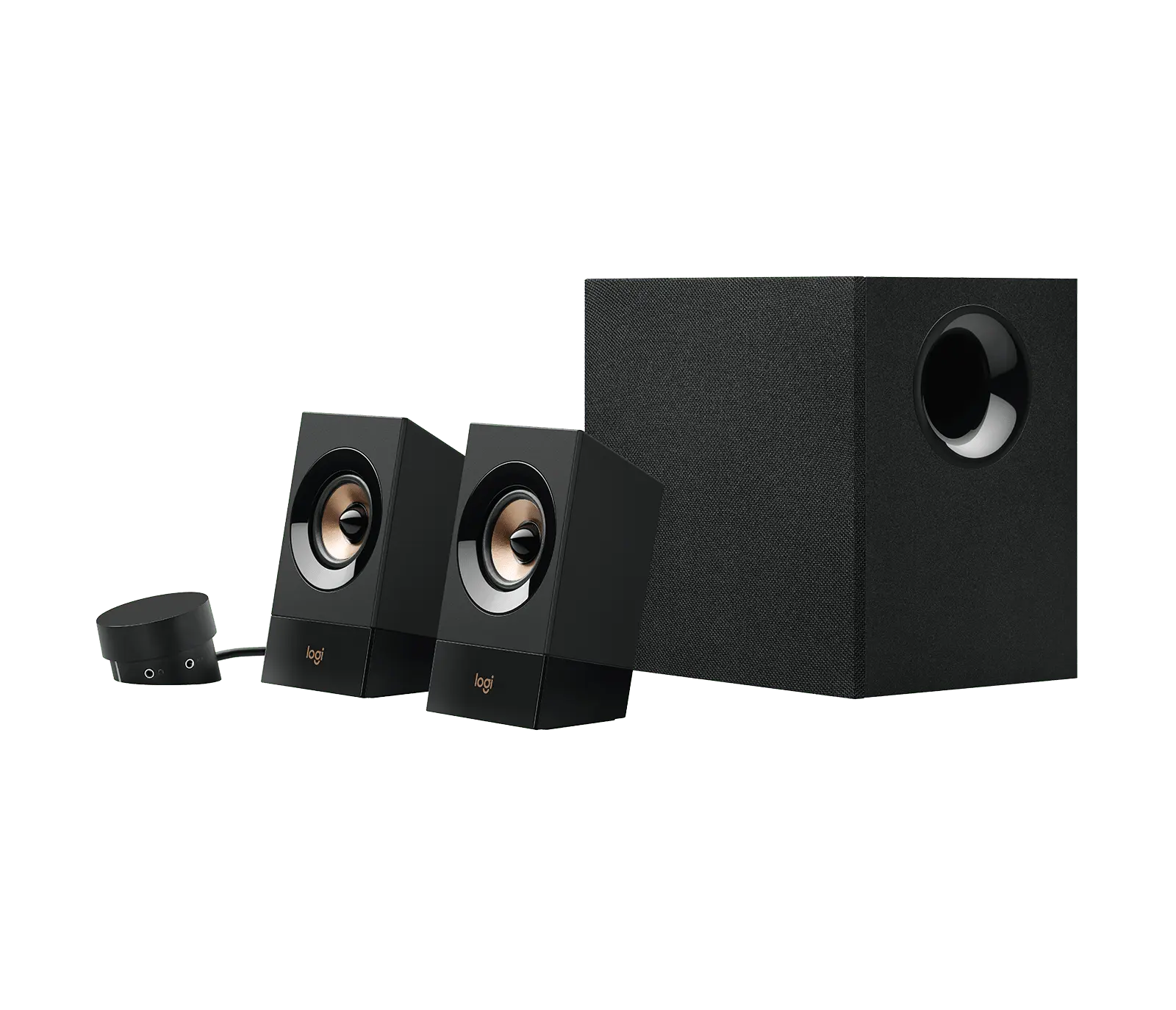 Logitech Z533BlackCompare the two