


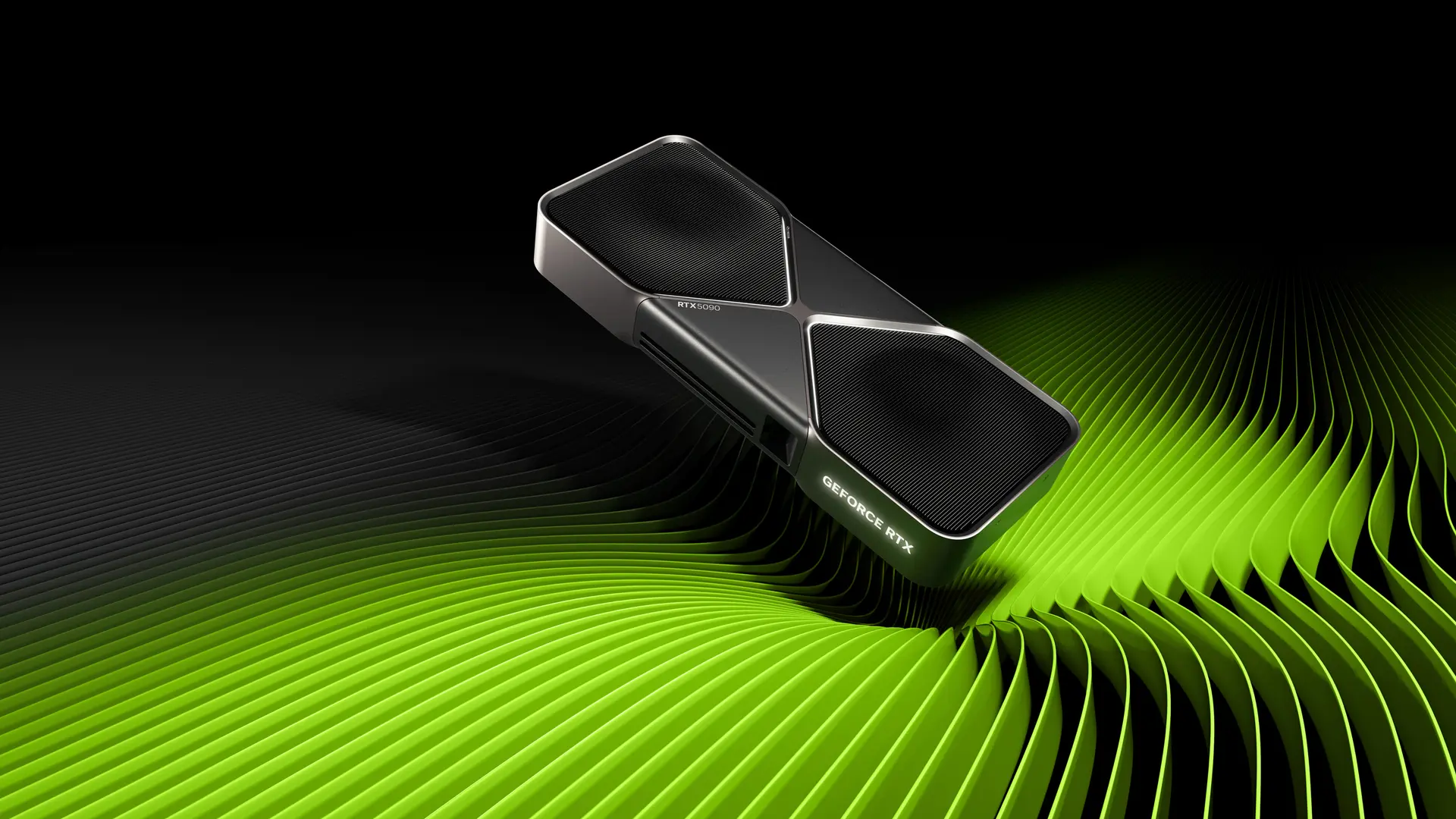
 NVIDIA GeForce RTX 5090 Founders Edition32 GB GDDR7 · NVIDIA Founders Edition board · Black / Silver
- Standard boost clock
- 2410 MHzThis one: 2565 MHz
- Declared card power
- 575 WThis one: 600 W

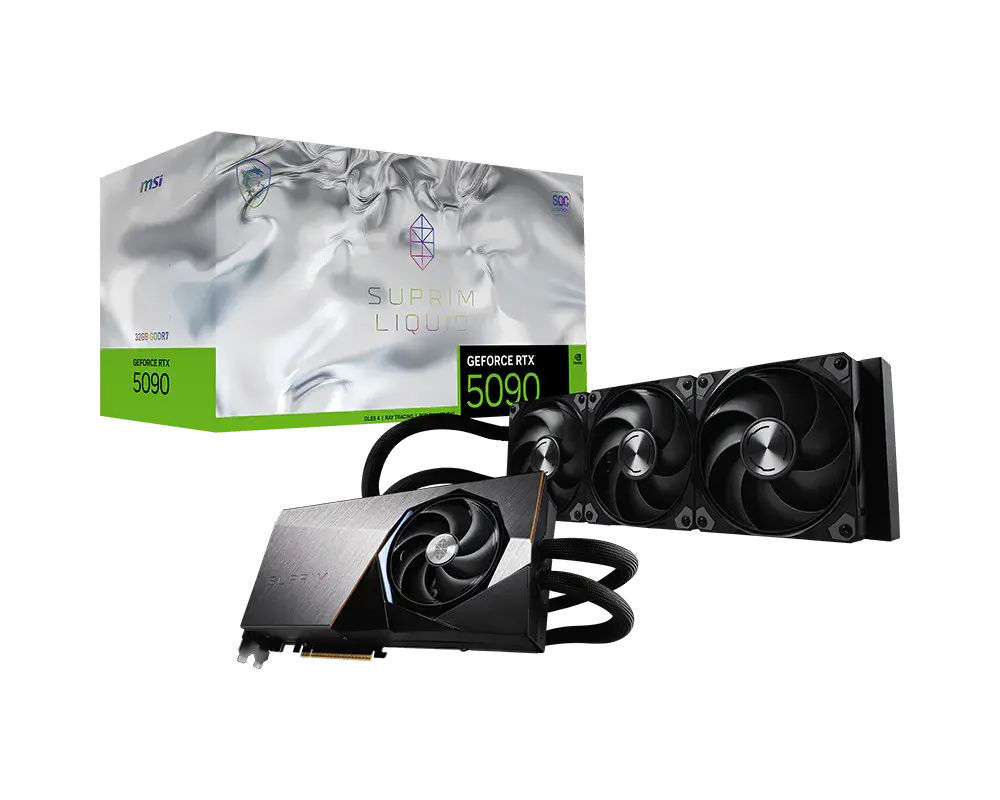
32 GB GDDR7 · Black / silver · card and liquid-cooling assembly · MSI part G5090-32SLS
MSI's GeForce RTX 5090 32G SUPRIM LIQUID SOC pairs an RTX 5090 GPU (21,760 CUDA cores, 2565 MHz boost) with 32 GB of GDDR7 in a 280 mm card with a separate 360 mm-class liquid-cooling radiator. It supports DLSS Multi Frame Generation and AV1 encoding.
As an Amazon Associate I earn from qualifying purchases.
Email me when the MSI GeForce RTX 5090 32G SUPRIM LIQUID SOC gets cheaper on eBay. We check exact-model listings once a day at 12:00 UTC.
Specifications checked 12 Sept 2026Manufacturer specifications, not a hands-on test.
The nearest checked graphics cards by key specifications, with what differs from the MSI GeForce RTX 5090 32G SUPRIM LIQUID SOC. The first matches the Compare button above.
NVIDIA GeForce RTX 5090 Founders Edition32 GB GDDR7 · NVIDIA Founders Edition board · Black / Silver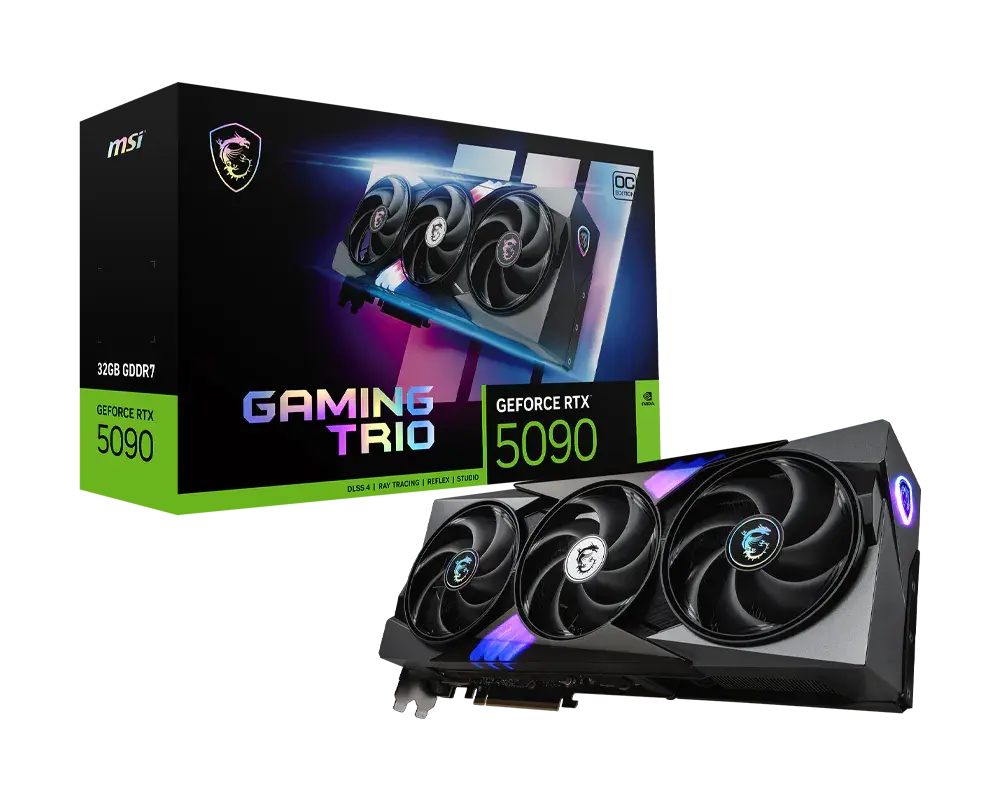 MSI GeForce RTX 5090 32G GAMING TRIO OCG5090-32GTC · 32 GB GDDR7 · MSI global board specification
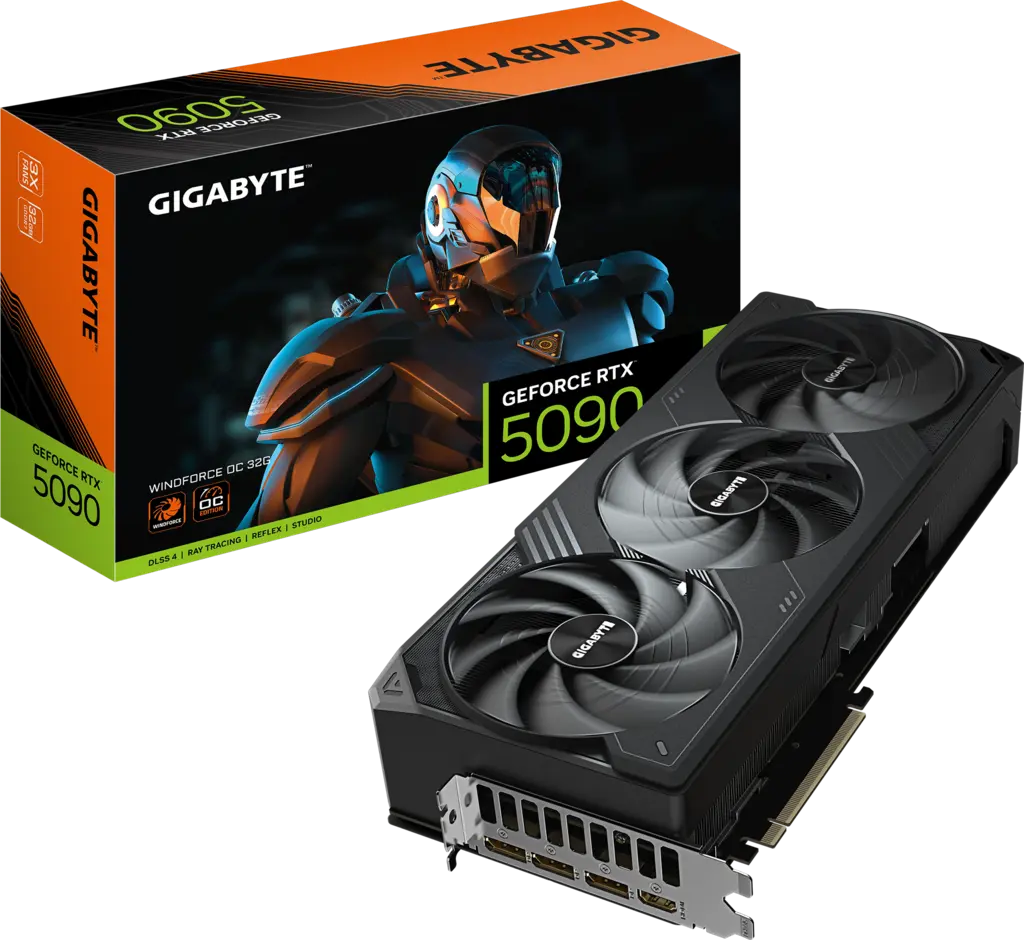 Gigabyte GeForce RTX 5090 WINDFORCE OC 32GGV-N5090WF3OC-32GD · 32 GB GDDR7 · GIGABYTE global specification
21,760 CUDA cores, a 2565 MHz boost clock (2580 MHz in MSI Center Extreme Performance mode) and 32 GB of GDDR7 on a 512-bit bus at 28 Gbps.
DLSS Multi Frame Generation, fourth-generation ray-tracing cores and AV1 encoding with three ninth-generation NVENC encoders. Outputs are three DisplayPort 2.1b and one HDMI 2.1b, for up to four displays.
Hybrid liquid cooling with a copper micro-fin water block for the GPU and VRAM and a 360 mm-class radiator, plus Gaming and Silent BIOS modes. The 280 mm card body is 79 mm shorter than the 5090 GAMING TRIO OC.
Plan space for the 280 × 148 × 51 mm card, the 394 × 121 × 55 mm radiator and its 450 mm tubes. MSI lists 600 W card power in Gaming mode (575 W Silent) and recommends a 1000 W PSU with a 16-pin cable (ATX 3.1 recommended).
DLSS Multi Frame Generation has to be built into each game (NVIDIA says new games are integrating it regularly), and NVIDIA lists Reflex Frame Warp as coming soon.
Exact configuration: 32 GB GDDR7 · Black / silver · card and liquid-cooling assembly · MSI global specification
78 specifications in 10 groups. Values are manufacturer specifications unless a row says “Measured result” or “Calculated from cited specifications”. 2 rows repeat listed facts in the manufacturer’s own wording, kept under “Manufacturer wording”.
Gaming BIOS mode standard boost is 2565 MHz; Silent is 2512 MHz.
Gaming BIOS mode; Silent Extreme is 2527 MHz.
Silent BIOS mode; Gaming mode boost is 2565 MHz.
Silent BIOS mode; Gaming mode Extreme is 2580 MHz.
The link depends on the motherboard.
MSI lists PCIe Gen 5 x16; the link depends on the motherboard.
Per-pin memory speed.
The same facts in the manufacturer’s combined or original wording, each with its source.
Gaming BIOS mode 600 W; Silent mode 575 W. MSI recommends a 1000 W PSU.
MSI's recommended PSU rating for the whole system.
Gaming BIOS mode 600 W; Silent mode 575 W. MSI recommends a 1000 W PSU.
MSI recommends an ATX 3.1 power supply for the 16-pin connection. · Leave clearance at the power connector and fully seat the cable.
Silent BIOS mode; Gaming mode is 600 W.
Card body only; the 394 × 121 × 55 mm radiator and 450 mm tubes are separate. Check radiator mounting, tube routing and power-cable clearance too.
Card body only; the 394 × 121 × 55 mm radiator and 450 mm tubes are separate. Check radiator mounting, tube routing and power-cable clearance too.
Card body only; the 394 × 121 × 55 mm radiator and 450 mm tubes are separate. Check radiator mounting, tube routing and power-cable clearance too.
MSI lists 2969 g for the card with its attached radiator and tubes (4273 g boxed) but no bare-card weight.
Card with attached radiator, tubes and coolant, as listed by MSI.
Boxed weight including packaging.
MSI does not list a support stand for this card.
SourceMSI does not label this card SFF-Ready.
SourceFull radiator size, in addition to the card; 360 mm is its class name, not its full length.
Allow room to route the attached tubes.
Radiator fans; a fourth fan is on the card.
The same facts in the manufacturer’s combined or original wording, each with its source.
Card body only; the 394 × 121 × 55 mm radiator and 450 mm tubes are separate. Check radiator mounting, tube routing and power-cable clearance too.
MSI lists HDMI up to 4K 480 Hz or 8K 120 Hz with DSC, Gaming VRR and HDR. The display and cable must support the chosen mode.
Using four displays can limit the maximum resolution and refresh on each.
Maximum digital resolution; refresh rate depends on the output and display.
MSI lists HDCP support; protected content also depends on the display and cable.
Requires compatible drivers, operating system and applications.
Requires compatible drivers, operating system and applications.
Requires a G-SYNC compatible display and connection.
MSI does not list Adaptive VSync for this card.
Requires compatible drivers, operating system and games; not every game supports every feature.
SourceRequires compatible drivers, operating system and games; not every game supports every feature.
SourceWorks in games that support it, with current NVIDIA drivers.
Works in games that support it, with current NVIDIA drivers.
Works in games that support it, with current NVIDIA drivers.
Works in games that support it, with current NVIDIA drivers.
Works in games that support it, with current NVIDIA drivers.
Works in games that support it, with current NVIDIA drivers.
Works in games that support it, with current NVIDIA drivers.
Requires compatible drivers, operating system and games; not every game supports every feature.
SourceNVIDIA's current RTX 50 Series technology table lists Reflex Frame Warp as coming soon.
SourceRequires a compatible motherboard, CPU and firmware setting.
SourceRequires compatible drivers, operating system and applications.
SourceNVIDIA lists no NVLink support for this GPU.
SourceFrom NVIDIA's video encode/decode support matrix. Codec, bit-depth and application support apply.
From NVIDIA's video encode/decode support matrix. Codec, bit-depth and application support apply.
From NVIDIA's video encode/decode support matrix. Codec, bit-depth and application support apply.
From NVIDIA's video encode/decode support matrix. Codec, bit-depth and application support apply.
NVIDIA lists AV1 4:2:0 encoding. Application support applies.
NVIDIA lists AV1 8-bit and 10-bit decoding.
From NVIDIA's video encode/decode support matrix. Codec, bit-depth and application support apply.
From NVIDIA's video encode/decode support matrix. Codec, bit-depth and application support apply.
NVIDIA lists 8-bit and 10-bit H.264 4:2:2 decoding.
NVIDIA lists 8-bit, 10-bit and 12-bit HEVC 4:2:2 decoding.
NVIDIA's maximum GPU temperature.
SourceMSI's text specifications don't state the number of fans; product images show one fan on the card and three fans on the 360 mm radiator.
SourceMSI does not list the fan bearing type.
SourceMSI does not list fan-stop operation for this card.
The separate radiator measures 394 × 121 × 55 mm.
Switch between GAMING and SILENT BIOS modes.
Application and OS requirements apply; some apps need their own licence.
SourceGaming: 2565 MHz standard / 2580 MHz Extreme. Silent: 2512 MHz standard / 2527 MHz Extreme.
More of the nearest checked graphics cards by key specifications, for a side-by-side comparison.
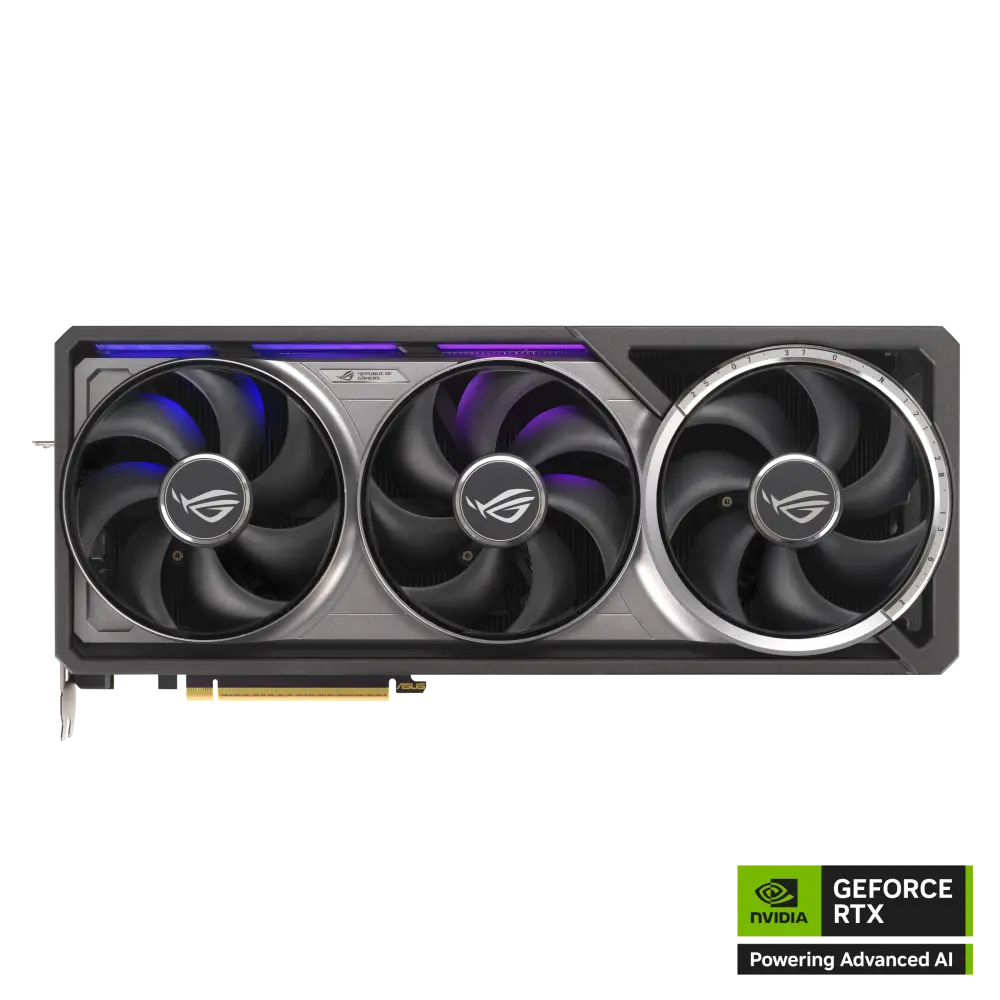 ASUS ROG Astral GeForce RTX 5090 32GB GDDR7 OC EditionROG-ASTRAL-RTX5090-O32G-GAMING · 32 GB GDDR7 · OC Edition · ASUS global specificationCompare the two
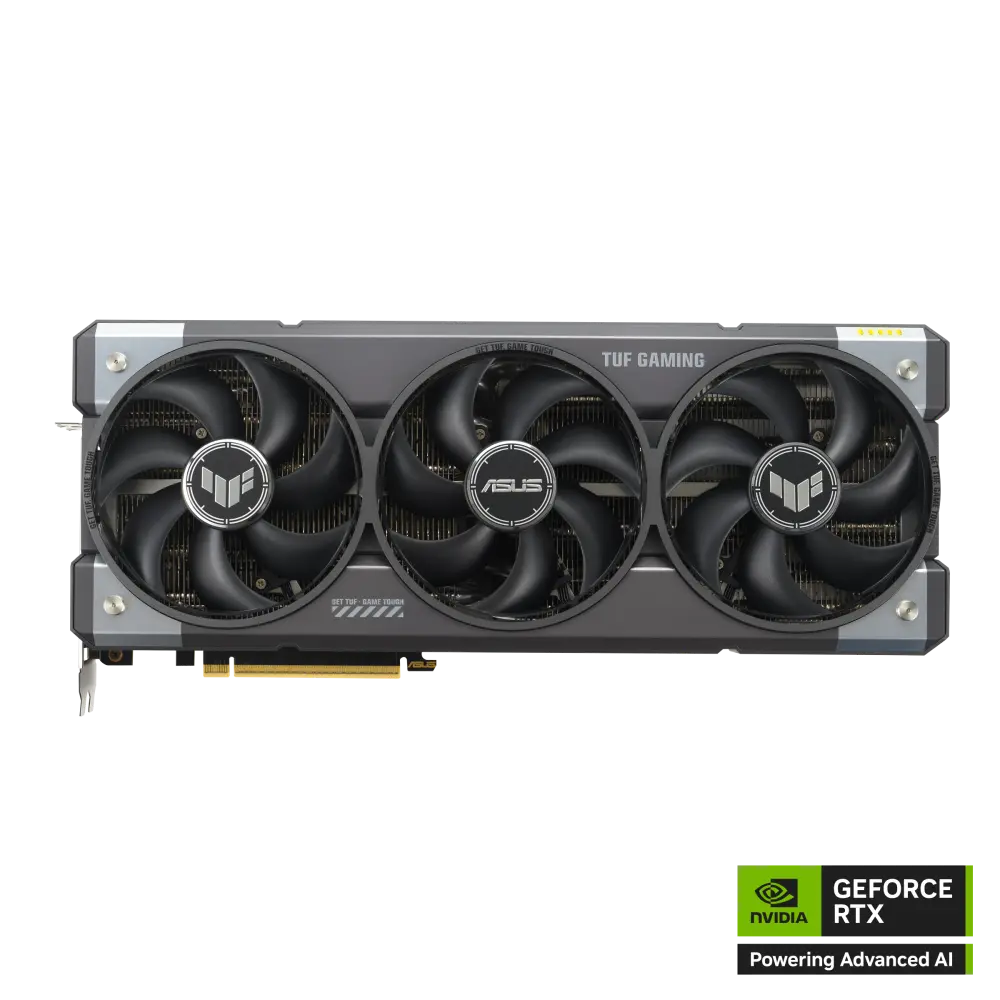 ASUS TUF Gaming GeForce RTX 5090 32GB GDDR7TUF-RTX5090-32G-GAMING · 32 GB GDDR7 · standard (non-OC) edition · ASUS global specificationCompare the two
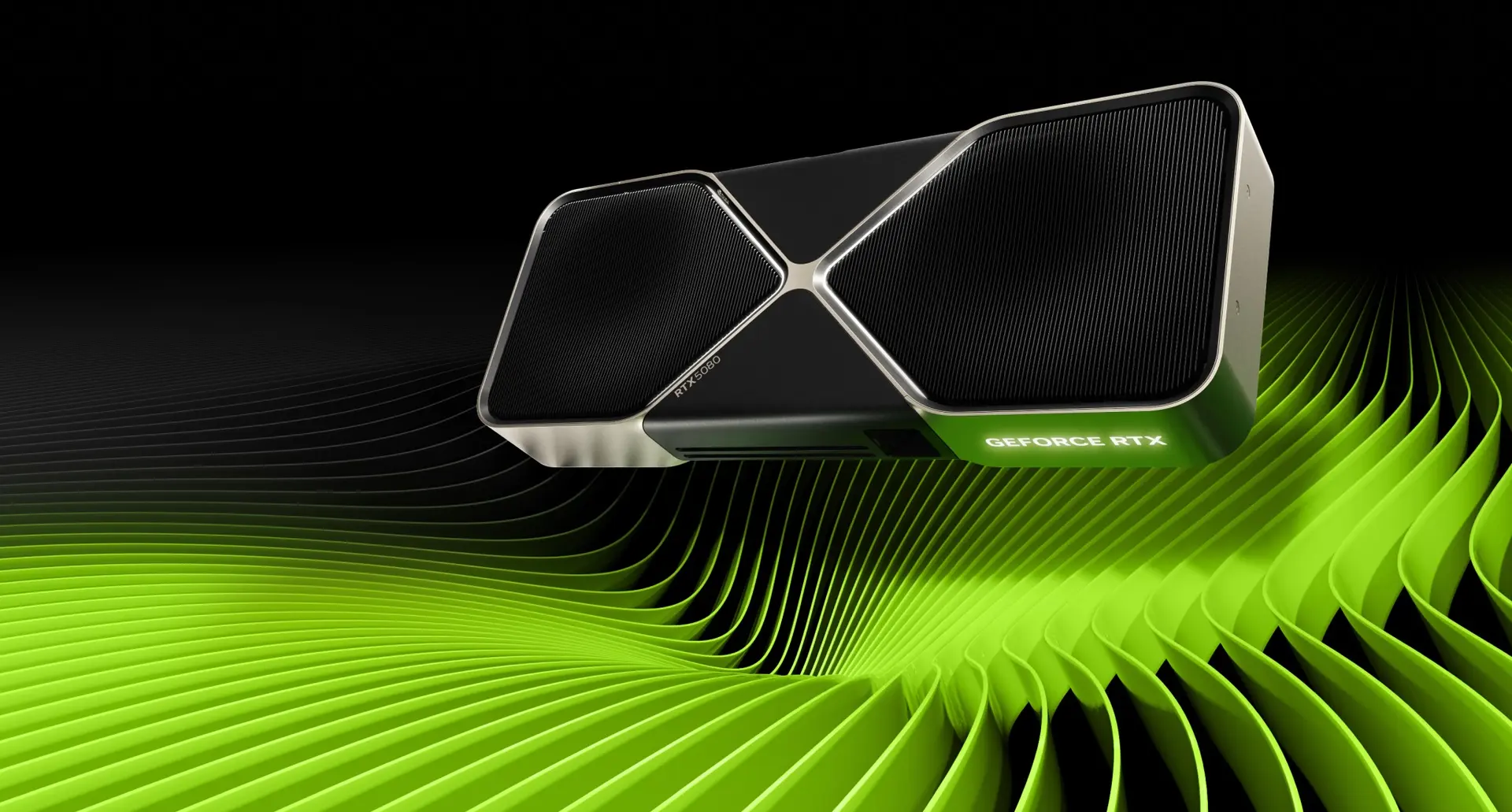 NVIDIA GeForce RTX 5080 Founders Edition16 GB GDDR7 · NVIDIA Founders Edition boardCompare the two
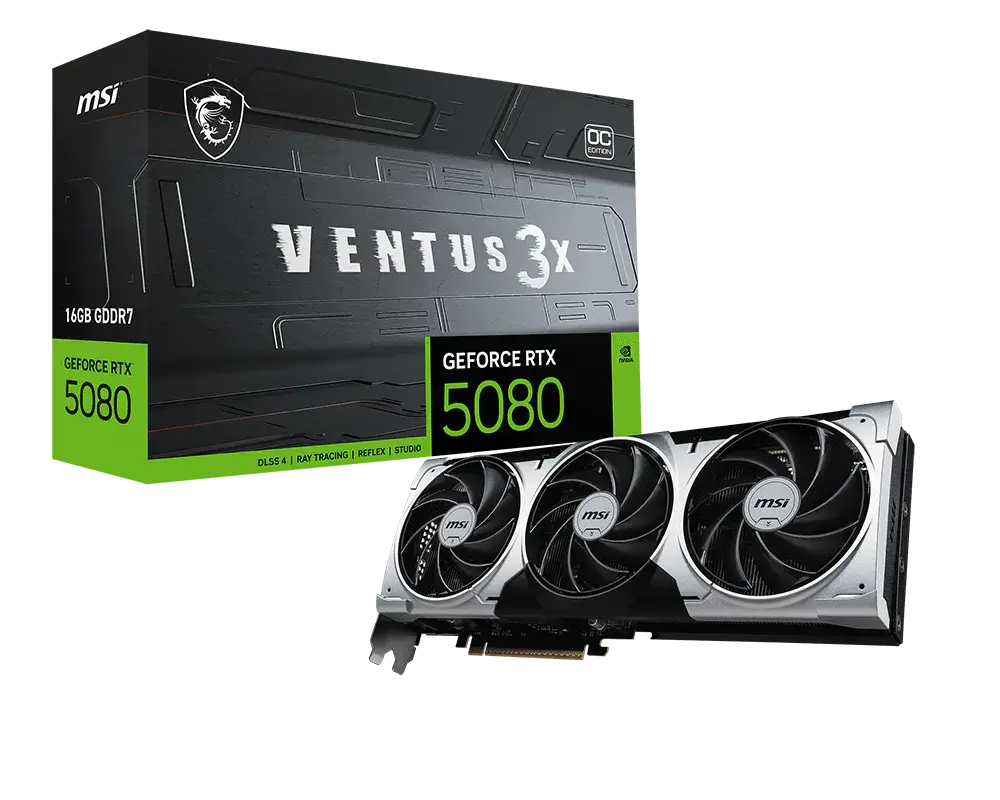 MSI GeForce RTX 5080 16G VENTUS 3X OC PLUS16 GB GDDR7 · Silver / black · exact board configuration · MSI global specificationCompare the two
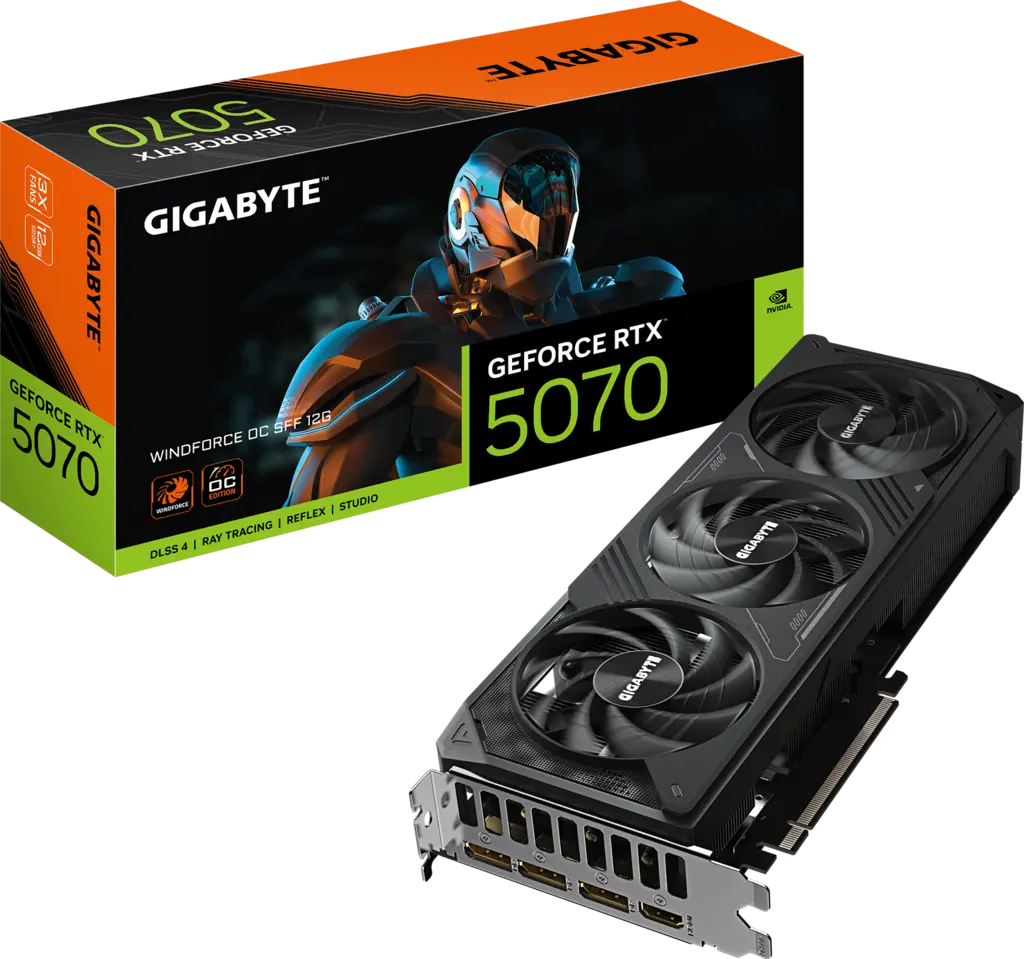 Gigabyte GeForce RTX 5070 WINDFORCE OC SFF 12GGV-N5070WF3OC-12GD · 12 GB GDDR7 · GIGABYTE global specificationCompare the two
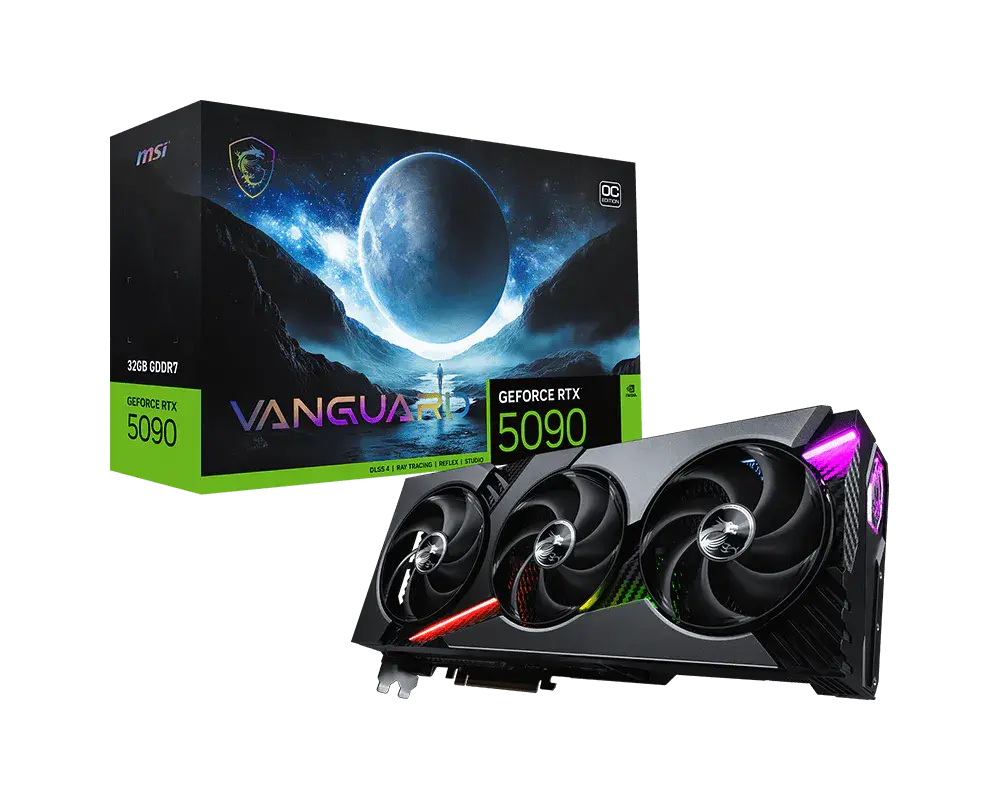 MSI GeForce RTX™ 5090 32G VANGUARD OCGlobal manufacturer model · G5090-32VGC · regional retail SKU not specifiedCompare the two
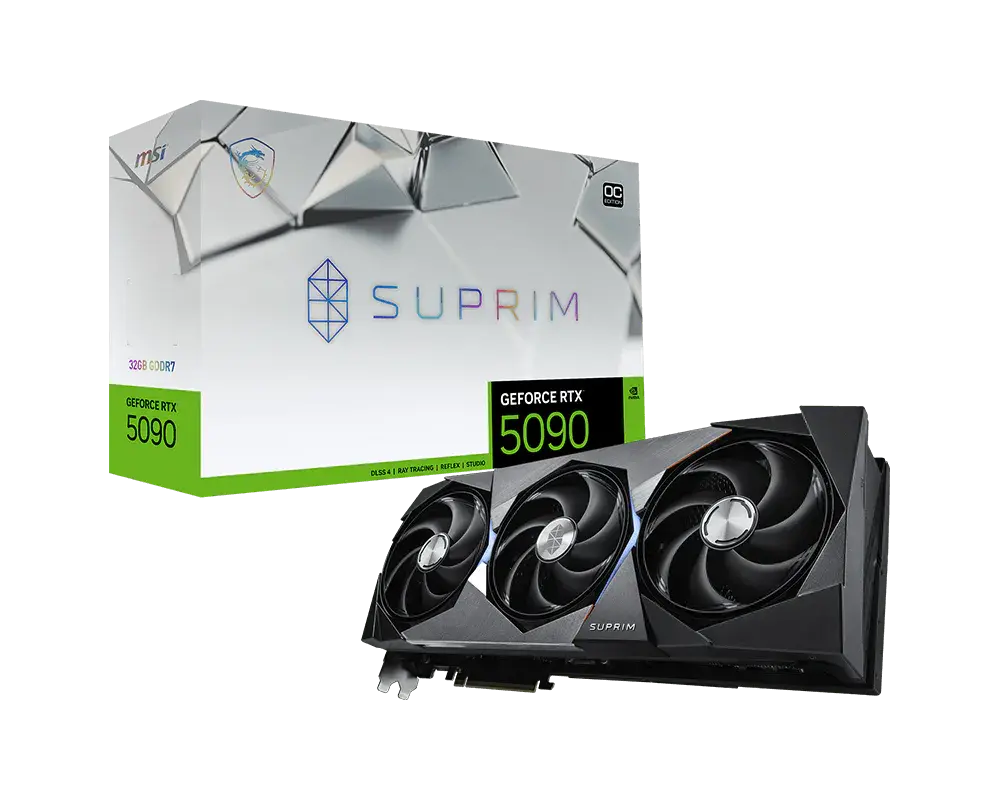 MSI GeForce RTX™ 5090 32G SUPRIM OCGlobal manufacturer model · G5090-32SPC · regional retail SKU not specifiedCompare the two
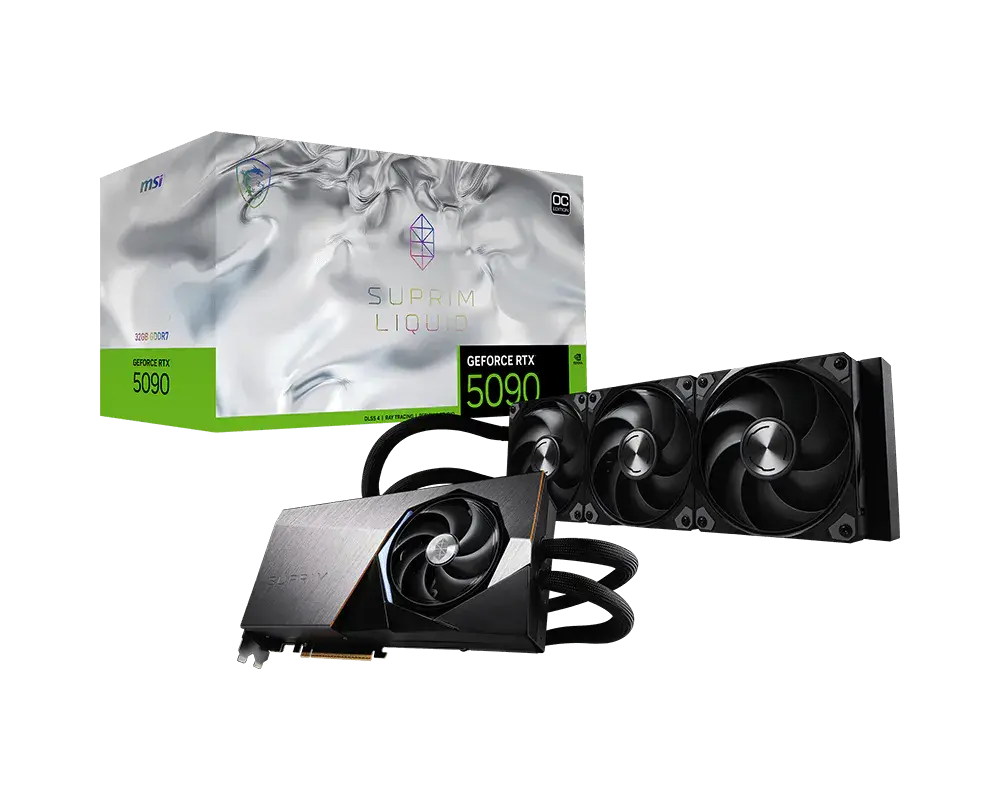 MSI GeForce RTX™ 5090 32G SUPRIM LIQUID OCGlobal manufacturer model · G5090-32SLC · regional retail SKU not specifiedCompare the two