Your prioritiesCategory, search, shopping market, budget and must-haves
Other laptops compared with yours
Select must-haves to check which products meet your requirements.
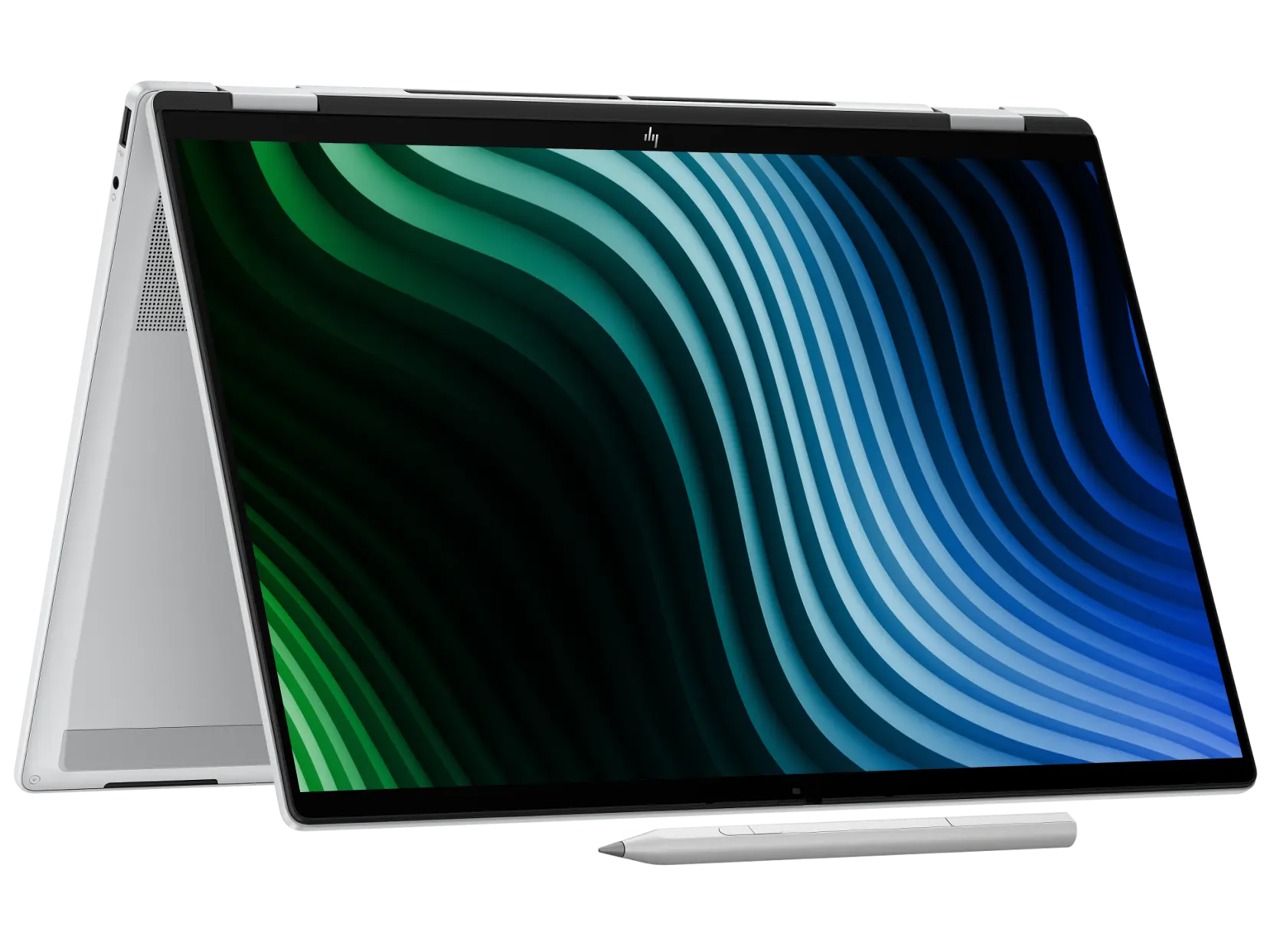
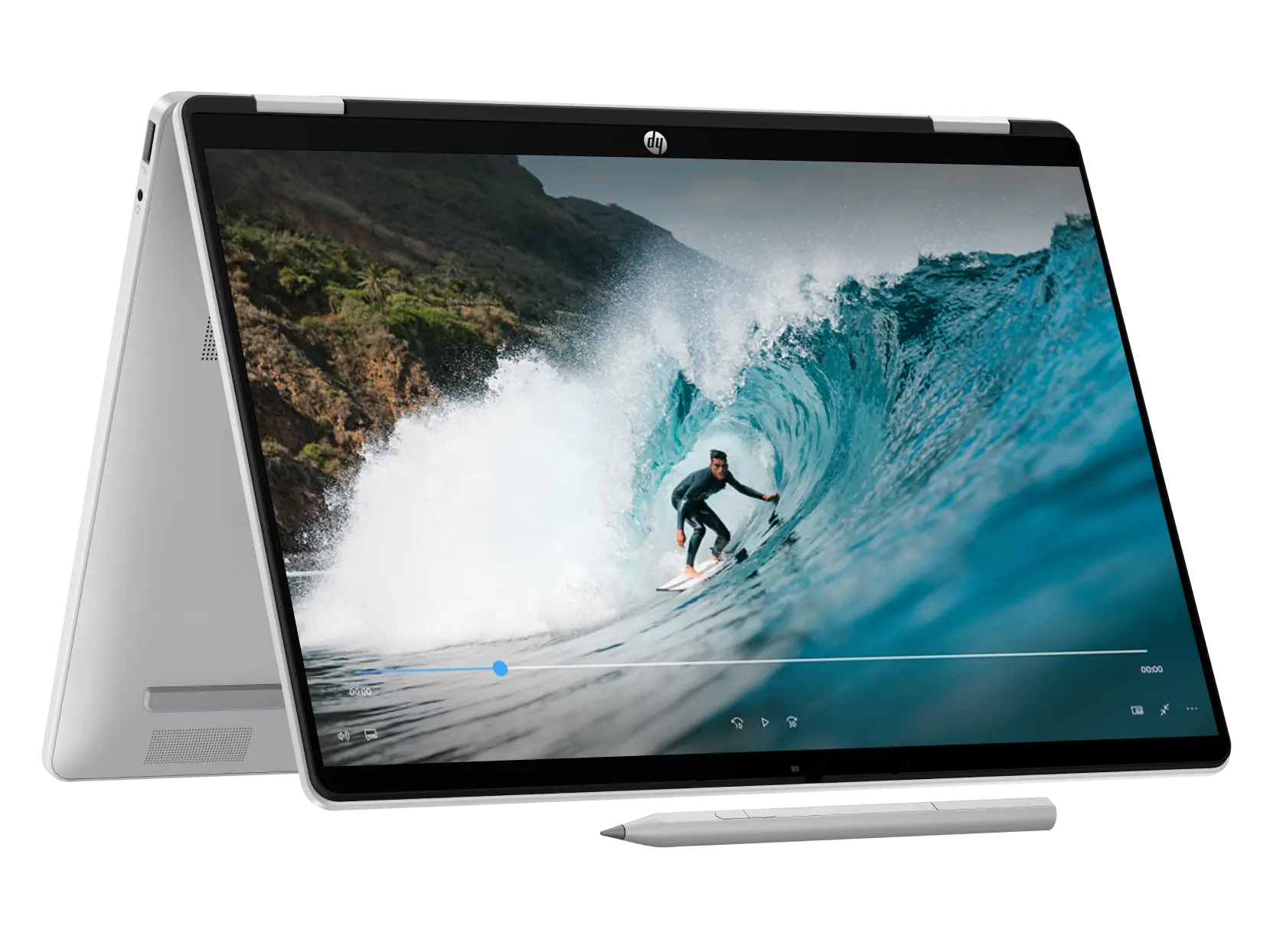
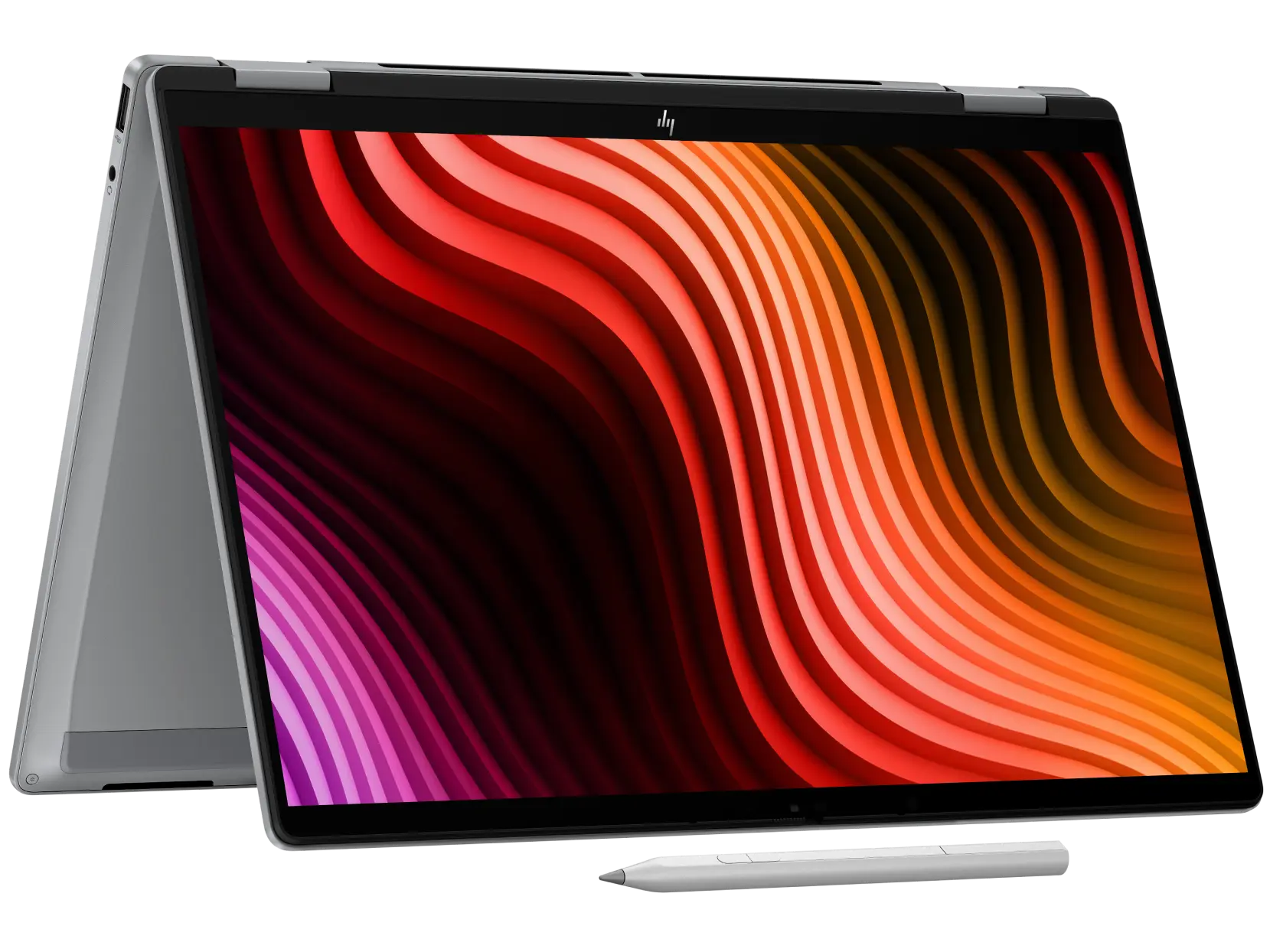
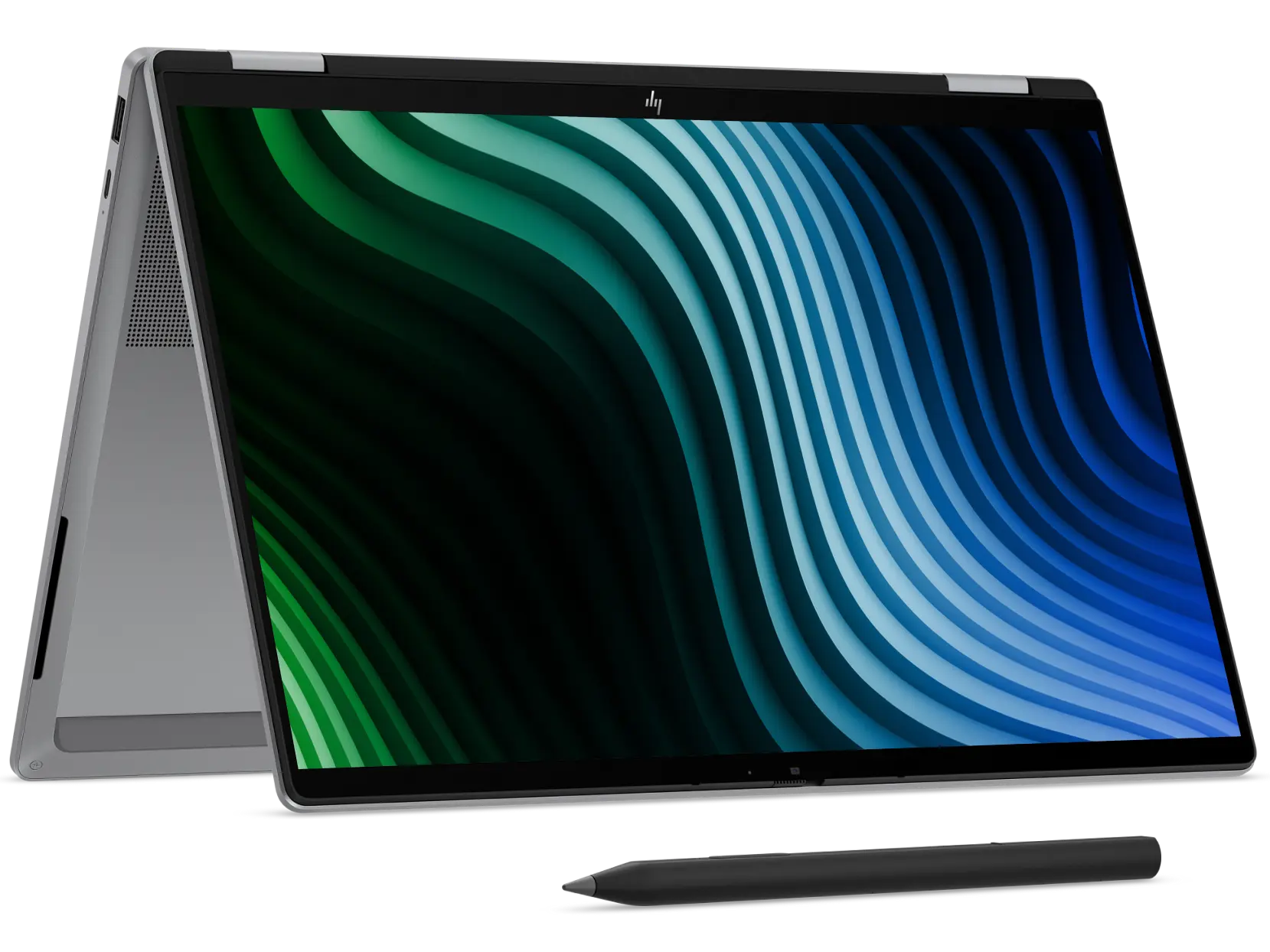
Closest to the HP OmniBook X Flip 2-in-1 Laptop Next Gen AI 16-as0013nax by stated key specifications first. Closeness is not a ranking; each card lists what differs.
[6] Multi-core is designed to improve performance of certain software products. Not all customers or software applications will necessarily benefit from use of this technology. Performance and clock frequency will vary depending on application workload and your hardware and software configurations. Intel's numbering, branding and/or naming is not a measurement of higher performance. [7] Intel® Turbo Boost performance varies depending on hardware, software and overall system configuration. See http://www.intel.com/technology/turboboost/ for more information.
Connections and restrictions2 USB Type-A 10Gbps signaling rate; 1 HDMI 2.1; 1 headphone/microphone combo; 1 Thunderbolt™ 4 with USB Type-C® 40Gbps signaling rate (USB Power Delivery 3.1, DisplayPort™ 2.1, HP Sleep and Charge); 1 USB Type-C® 10Gbps signaling rate (USB Power Delivery 3.1, DisplayPort™ 1.4a, HP Sleep and Charge) [19] → 2 USB Type-A 10Gbps signaling rate; 1 HDMI 2.1; 1 headphone/microphone combo; 1 USB Type-C® 10Gbps signaling rate (USB Power Delivery 3.1, DisplayPort™ 2.1, HP Sleep and Charge); 1 USB Type-C® 40Gbps signaling rate(USB Power Delivery 3.1, DisplayPort™ 2.1, HP Sleep and Charge) [19]
Exact-SKU processorAMD Ryzen™ AI 7 350 (up to 5.0 GHz max boost clock, 16 MB L3 cache, 8 cores, 16 threads) [6,7]Evidence & conditions
Manufacturer specification
[6] Multi-core is designed to improve performance of certain software products. Not all customers or software applications will necessarily benefit from use of this technology. Performance and clock frequency will vary depending on application workload and your hardware and software configurations. AMD’s numbering is not a measurement of clock speed. [7] Max Boost clock frequency performance varies depending on hardware, software and overall system configuration.
Connections and restrictions2 USB Type-A 10Gbps signaling rate; 1 HDMI 2.1; 1 headphone/microphone combo; 1 Thunderbolt™ 4 with USB Type-C® 40Gbps signaling rate (USB Power Delivery 3.1, DisplayPort™ 2.1, HP Sleep and Charge); 1 USB Type-C® 10Gbps signaling rate (USB Power Delivery 3.1, DisplayPort™ 1.4a, HP Sleep and Charge) [19] → 2 USB Type-A 10Gbps signaling rate; 1 HDMI 2.1; 1 headphone/microphone combo; 2 Thunderbolt™ 4 with USB Type-C® 40Gbps signaling rate (USB Power Delivery 3.1, DisplayPort™ 2.1, HP Sleep and Charge) [19]
[6] Multi-core is designed to improve performance of certain software products. Not all customers or software applications will necessarily benefit from use of this technology. Performance and clock frequency will vary depending on application workload and your hardware and software configurations. Intel's numbering, branding and/or naming is not a measurement of higher performance. [7] Intel® Turbo Boost performance varies depending on hardware, software and overall system configuration. See http://www.intel.com/technology/turboboost/ for more information.