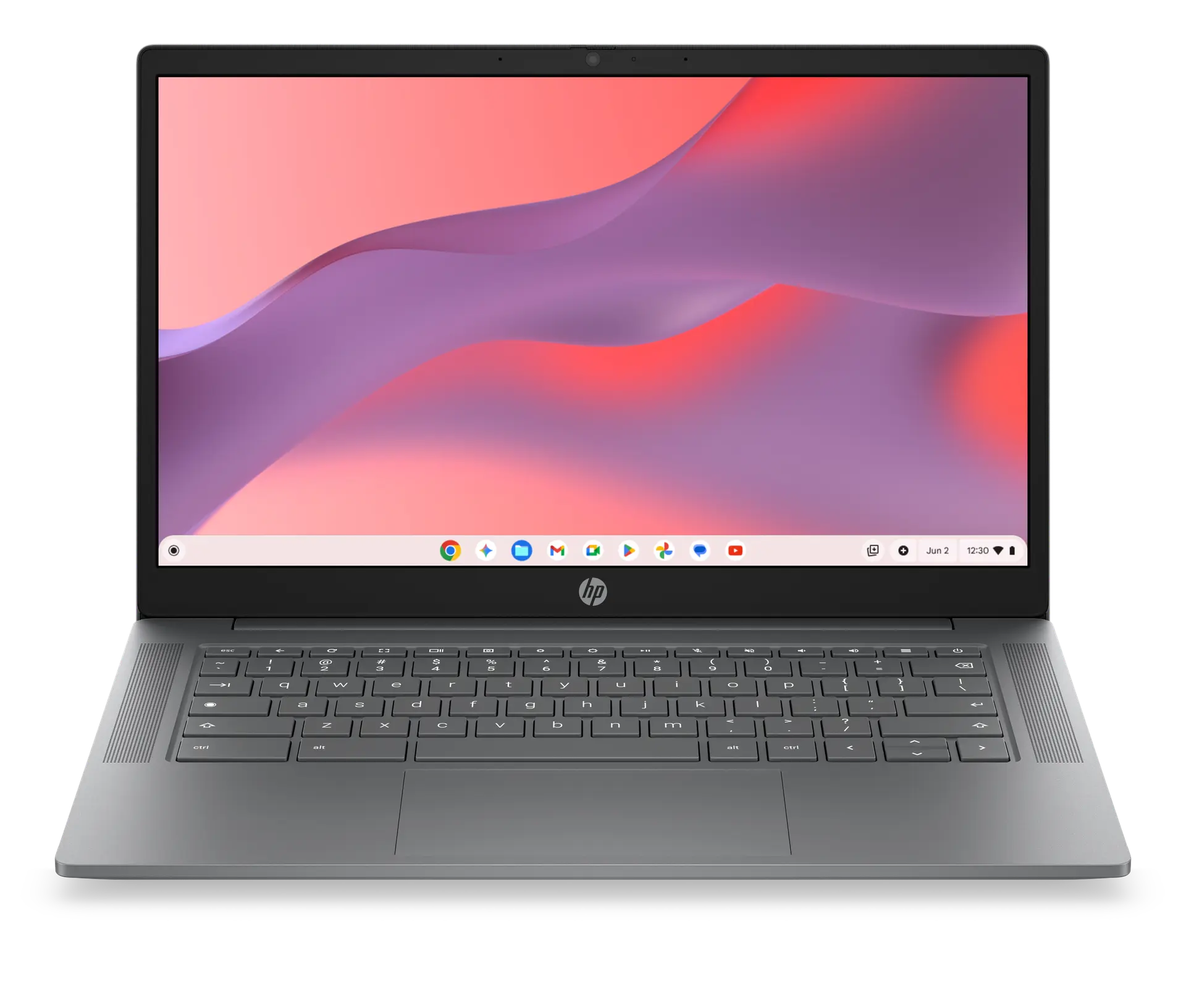
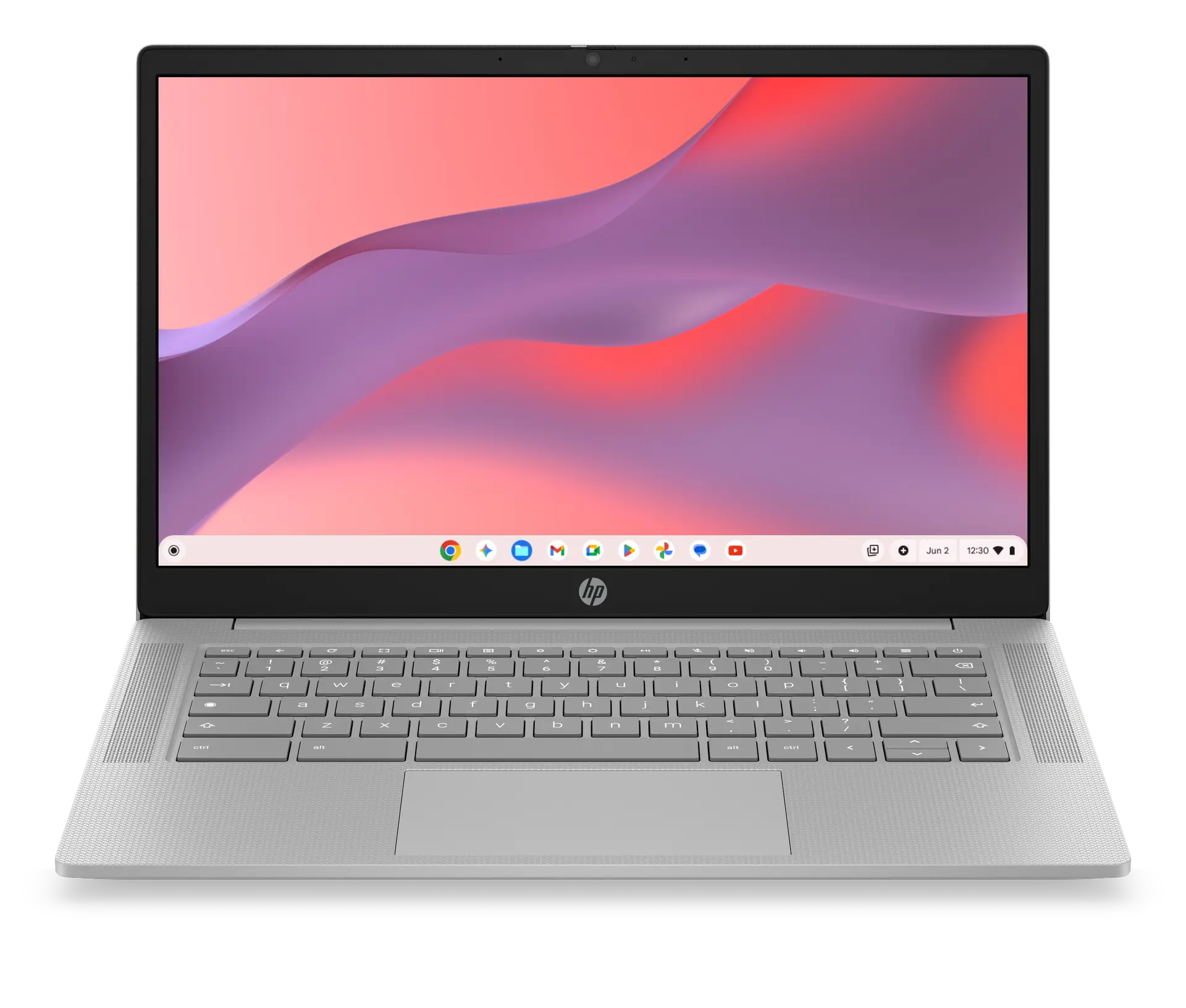
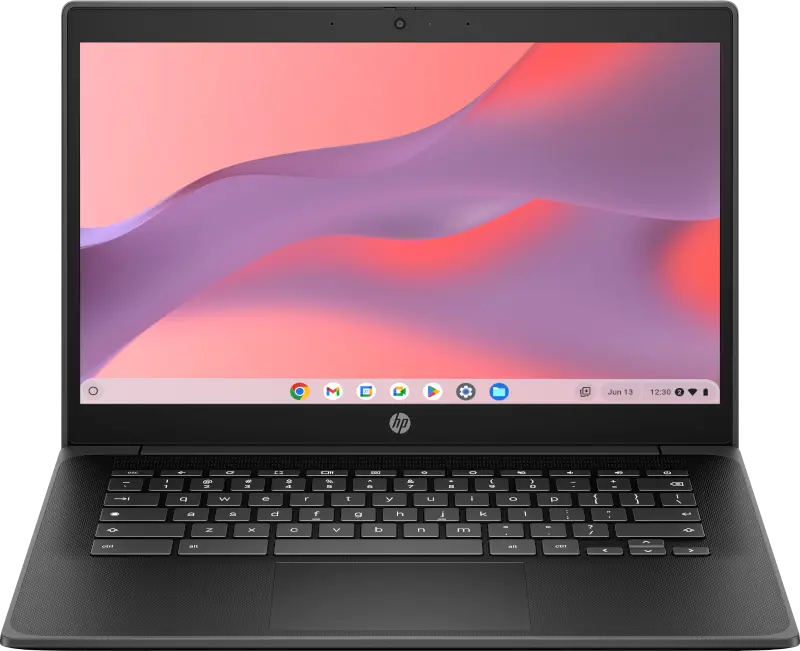
[6] Multi-core is designed to improve performance of certain software products. Not all customers or software applications will necessarily benefit from use of this technology. Performance and clock frequency will vary depending on application workload and your hardware and software configurations. Intel’s numbering, branding and/or naming is not a measurement of higher performance. [7] Intel® Turbo Boost performance varies depending on hardware, software and overall system configuration. See http://www.intel.com/technology/turboboost/ for more information.
[6] Multi-core is designed to improve performance of certain software products. Not all customers or software applications will necessarily benefit from use of this technology. Performance and clock frequency will vary depending on application workload and your hardware and software configurations. Intel’s numbering, branding and/or naming is not a measurement of higher performance. [7] Intel® Turbo Boost performance varies depending on hardware, software and overall system configuration. See http://www.intel.com/technology/turboboost/ for more information.
Compared with yours · HP Chromebook x360 14b-cd0002na
Exact-SKU display configuration35.6 cm (14") diagonal, HD (1366 x 768), multitouch-enabled, edge-to-edge glass, micro-edge, 250 nits, 62.5% sRGB; 35.6 cm (14") diagonal HD touch display → 35.6 cm (14") diagonal, HD (1366 x 768), micro-edge, anti-glare, 250 nits, 62.5% sRGB; 35.6 cm (14") diagonal HD display
Connections and restrictions2 USB Type-C® 5Gbps signaling rate (USB Power Delivery, DisplayPort™ 1.4); 1 USB Type-A 5Gbps signaling rate; 1 headphone/microphone combo → 1 USB Type-C® 5Gbps signaling rate (USB Power Delivery, DisplayPort™ 1.4); 1 USB Type-A 5Gbps signaling rate; 1 headphone/microphone combo
[6] Multi-core is designed to improve performance of certain software products. Not all customers or software applications will necessarily benefit from use of this technology. Performance and clock frequency will vary depending on application workload and your hardware and software configurations. Intel’s numbering, branding and/or naming is not a measurement of higher performance. [7] Intel® Turbo Boost performance varies depending on hardware, software and overall system configuration. See http://www.intel.com/technology/turboboost/ for more information.
Exact-SKU display configuration35.6 cm (14") diagonal, HD (1366 x 768), multitouch-enabled, edge-to-edge glass, micro-edge, 250 nits, 62.5% sRGB; 35.6 cm (14") diagonal HD touch display → 35.6 cm (14") diagonal, HD (1366 x 768), micro-edge, anti-glare, 250 nits, 62.5% sRGB; 35.6 cm (14") diagonal HD display
2 more differences
Connections and restrictions2 USB Type-C® 5Gbps signaling rate (USB Power Delivery, DisplayPort™ 1.4); 1 USB Type-A 5Gbps signaling rate; 1 headphone/microphone combo → 1 USB Type-A 5Gbps signaling rate; 1 headphone/microphone combo; 1 USB Type-C® 5Gbps signaling rate (USB Power Delivery 3.2, DisplayPort™ 1.4)
[6] Multi-core is designed to improve performance of certain software products. Not all customers or software applications will necessarily benefit from use of this technology. Performance and clock frequency will vary depending on application workload and your hardware and software configurations. MediaTek’s numbering is not a measurement of clock speed.
Exact-SKU display configuration35.6 cm (14") diagonal, HD (1366 x 768), multitouch-enabled, edge-to-edge glass, micro-edge, 250 nits, 62.5% sRGB; 35.6 cm (14") diagonal HD touch display → 35.6 cm (14") diagonal, HD (1366 x 768), micro-edge, anti-glare, 250 nits, 62.5% sRGB; 35.6 cm (14") diagonal HD display
Connections and restrictions2 USB Type-C® 5Gbps signaling rate (USB Power Delivery, DisplayPort™ 1.4); 1 USB Type-A 5Gbps signaling rate; 1 headphone/microphone combo → 1 USB Type-A 5Gbps signaling rate; 1 headphone/microphone combo; 1 USB Type-C® 5Gbps signaling rate (USB Power Delivery 3.2, DisplayPort™ 1.4)
[6] Multi-core is designed to improve performance of certain software products. Not all customers or software applications will necessarily benefit from use of this technology. Performance and clock frequency will vary depending on application workload and your hardware and software configurations. MediaTek’s numbering is not a measurement of clock speed.
Exact-SKU display configuration35.6 cm (14") diagonal, HD (1366 x 768), multitouch-enabled, edge-to-edge glass, micro-edge, 250 nits, 62.5% sRGB; 35.6 cm (14") diagonal HD touch display → 35.6 cm (14") diagonal, FHD (1920 x 1080), touch, IPS, anti-glare, 250 nits, 45% NTSC; 35.6 cm (14") diagonal FHD touch display; 14" diagonal FHD touch display
Resolution1366 × 768 → 1920 × 1080
3 more differences
Battery specification2-cell, 47 Wh Li-ion polymer → HP Long Life 2-cell, 47 Wh Li-ion polymer
Connections and restrictions2 USB Type-C® 5Gbps signaling rate (USB Power Delivery, DisplayPort™ 1.4); 1 USB Type-A 5Gbps signaling rate; 1 headphone/microphone combo → 2 USB Type-C® 5Gbps signaling rate (USB Power Delivery, video and data support); 2 USB Type-A 5Gbps signaling rate; 1 HDMI 1.4; 1 stereo headphone/microphone combo jack
[6] Multi-core is designed to improve performance of certain software products. Not all customers or software applications will necessarily benefit from use of this technology. Performance and clock frequency will vary depending on application workload and your hardware and software configurations. Intel’s numbering, branding and/or naming is not a measurement of higher performance. [7] Intel® Turbo Boost performance varies depending on hardware, software and overall system configuration. See http://www.intel.com/technology/turboboost/ for more information.