


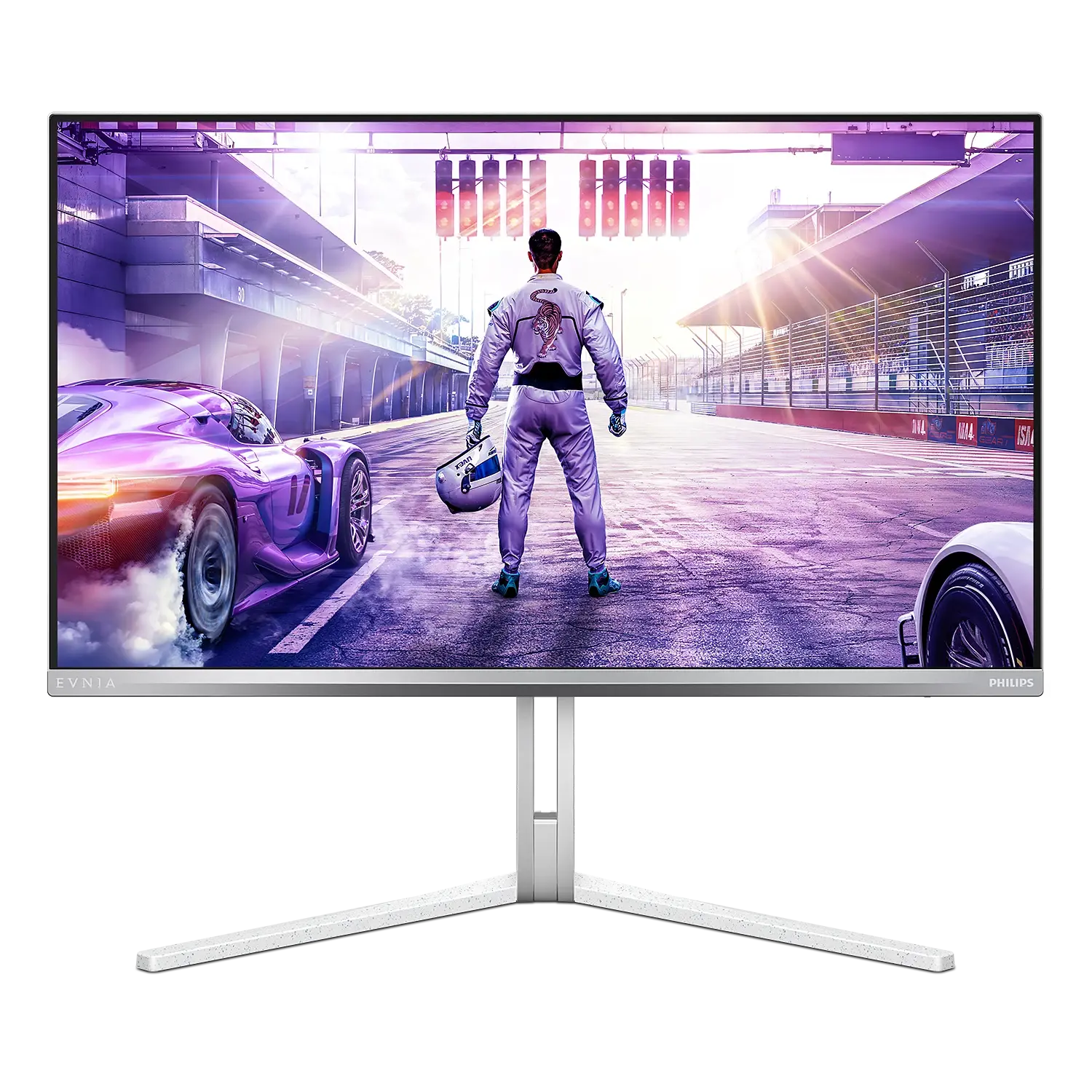
 Philips Evnia 27M2N8500UK/EU model 27M2N8500/00
- USB-C connection
- NoThis one: Yes

26.5-inch · 2560 × 1440 · 360 Hz
A 26.5-inch 2560 × 1440 QD-OLED monitor that runs up to 360 Hz over DisplayPort, HDMI 2.1 or USB-C, with a 0.03 ms GtG response rating, DisplayHDR True Black 400 and up to 90 W USB-C charging.
As an Amazon Associate I earn from qualifying purchases.
Email me when the MSI MPG 271QRX QD-OLED gets cheaper on eBay. We check exact-model listings once a day at 12:00 UTC.
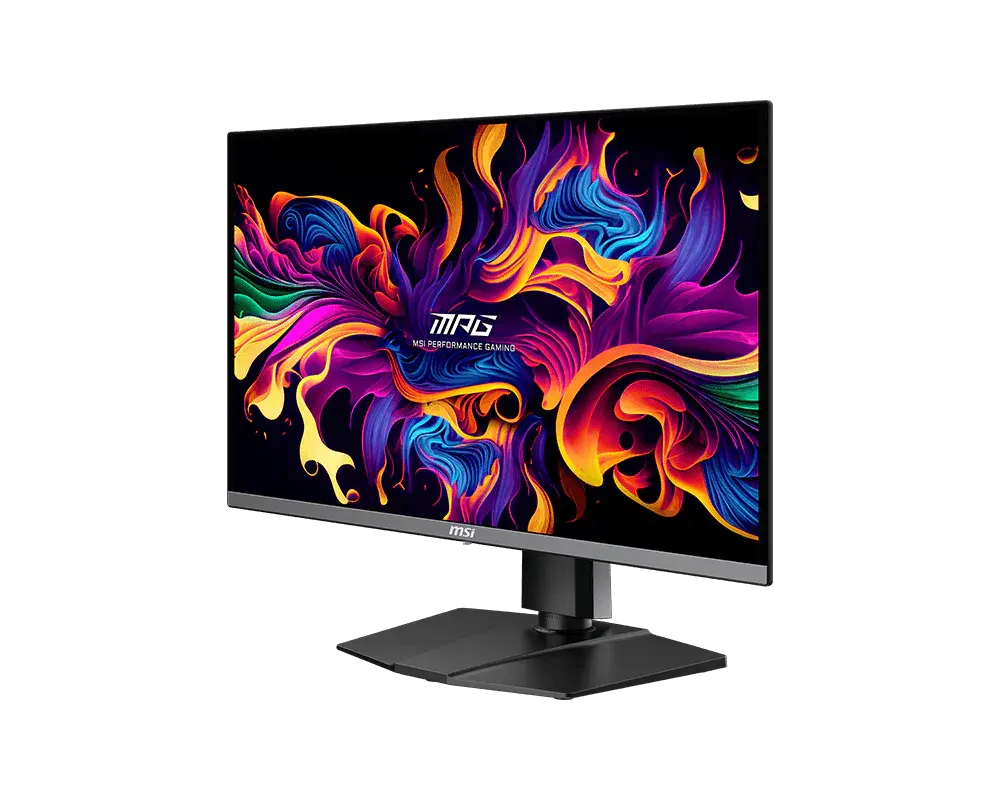
Specifications checked 21 Sept 2026Manufacturer specifications, not a hands-on test.
The nearest checked monitors by key specifications, with what differs from the MSI MPG 271QRX QD-OLED. The first matches the Compare button above.
Philips Evnia 27M2N8500UK/EU model 27M2N8500/00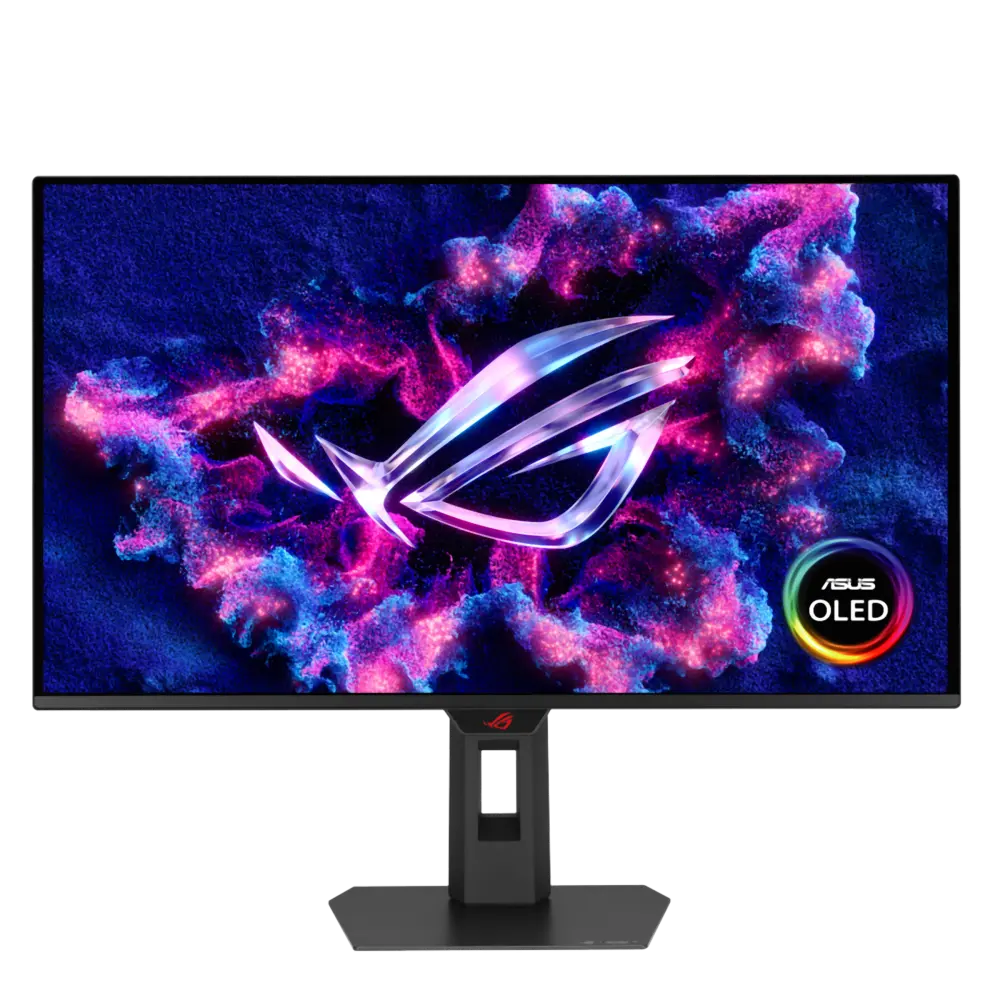 ASUS ROG Strix OLED XG27ACDMSRGlobal manufacturer specification · ROG Strix OLED XG27ACDMSR
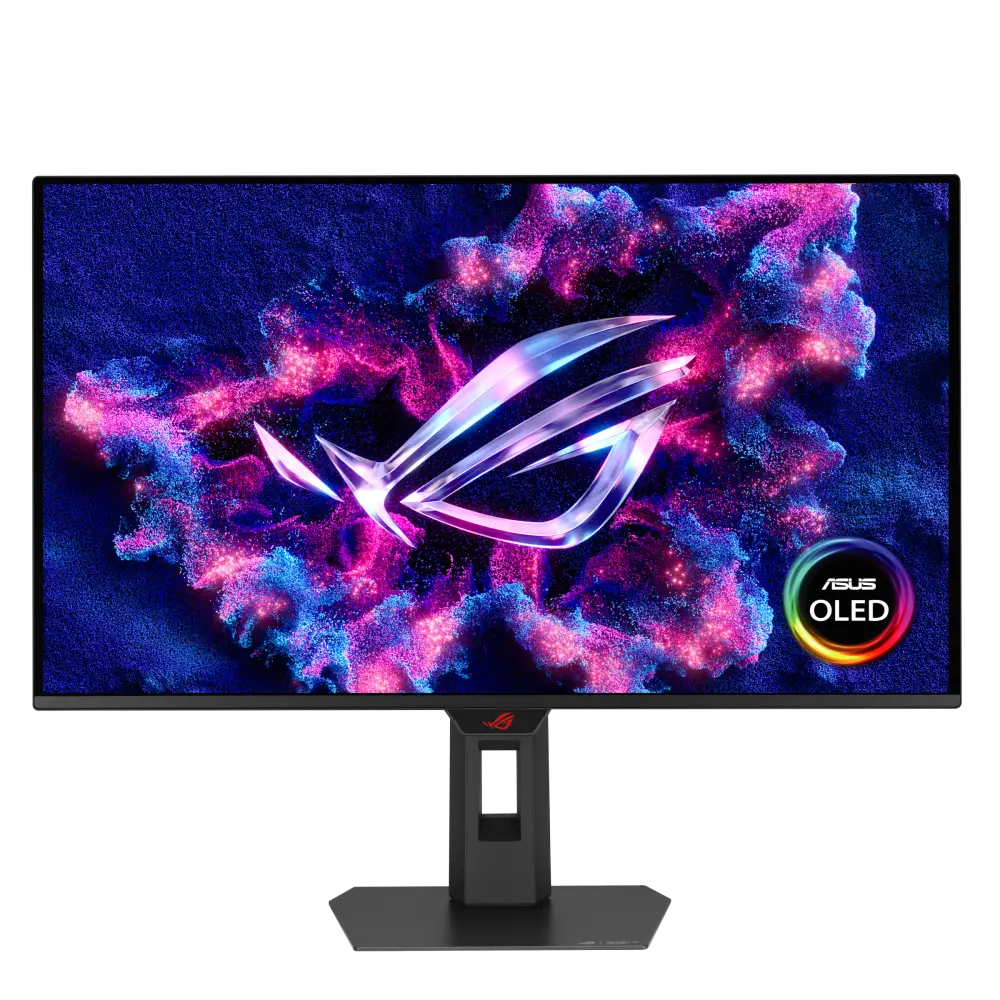 ASUS ROG Strix OLED XG27ACDMSUK manufacturer specification · ROG Strix OLED XG27ACDMS
The QD-OLED panel reaches 360 Hz at 2560 × 1440 on every input, with a 0.03 ms GtG response rating, 1,500,000:1 contrast and 99% DCI-P3 (CIE 1976).
USB-C carries video and up to 90 W charging, a USB hub is built in, and the stand tilts, swivels ±30°, pivots ±90° and adjusts 110 mm in height.
The panel is 26.5 inches rather than a full 27, typical brightness is 250 cd/m², and MSI says OLED Care 2.0 reduces rather than removes the risk of screen ageing; the 3-year warranty covers panel burn-in.
The USB hub ports are USB 2.0, and picture-in-picture/picture-by-picture isn't supported.
Exact configuration: 26.5-inch · 2560 × 1440 · 360 Hz · exact MSI global configuration
64 specifications in 10 groups. Values are manufacturer specifications unless a row says “Measured result” or “Calculated from cited specifications”. 2 rows repeat listed facts in the manufacturer’s own wording, kept under “Manufacturer wording”.
Active screen diagonal. Screens with different aspect ratios have different usable areas at the same diagonal.
Up to 360 Hz at 2560 × 1440 through DisplayPort, HDMI or USB-C DisplayPort Alt Mode. The source, cable and selected mode must support the required signal.
Check that your graphics card or console, input and mode support the listed technology.
SourceRequires a compatible source, interface, operating mode and driver.
Compatible source and cable required.
HDMI 2.1 source and cable required.
Source port and cable must support DisplayPort Alt Mode.
Best-case GtG figure; not an average, MPRT or input lag.
Only a GtG response figure is published for this model.
SourceThe same facts in the manufacturer’s combined or original wording, each with its source.
GtG, MPRT and input lag measure different things; a minimum figure is a best case, not an average.
Typical brightness; not an HDR peak figure.
Figures above 100% describe colour volume, not coverage.
Dynamic contrast; not comparable with static contrast.
MSI lists only 250 cd/m² typical brightness and no HDR peak figure.
SourceThe same facts in the manufacturer’s combined or original wording, each with its source.
Up to 360 Hz at 2560 × 1440 through DisplayPort, HDMI or USB-C DisplayPort Alt Mode. The source, cable and selected mode must support the required signal.
USB hub data needs an upstream connection to the computer.
SourceManufacturer maximum USB-C charging output; not monitor power consumption. Compatible host and cable required.
Both the source port and cable must support DisplayPort Alt Mode.
The USB-C row lists DisplayPort Alt Mode and 90 W PD only; USB data over USB-C is not stated. The USB-A ports are listed with a separate USB 2.0 Type-B upstream.
SourceMSI lists a USB 2.0 hub but does not mention a KVM function.
SourceThe supplied stand has a published height adjustment range of 0–110 mm. This is travel, not the assembled monitor height.
SourceListed adjustment travel, separate from the overall assembled height.
Manufacturer assembled dimensions with stand; MSI lists W × D × H, shown here width × height × depth. Stand depth excludes additional cable clearance; this is not panel thickness.
Manufacturer assembled dimensions with stand; MSI lists W × D × H, shown here width × height × depth. Stand depth excludes additional cable clearance; this is not panel thickness.
Manufacturer net mass with supplied stand; not bare-panel mass.
MSI lists only net (with stand) and gross weights.
SourceMSI lists the power type as a power cable to the monitor's AC power jack; no external adapter is listed.
SourceMSI gives the mains input range only, with no power-consumption figure.
SourceRequires the monitor's USB upstream connection to the PC.
SourceMSI says it reduces the chance of OLED screen ageing; it is not a guarantee against burn-in.
SourceMSI lists a headphone output but does not say whether speakers are built in.
SourceRegional terms and exclusions apply.
More of the nearest checked monitors by key specifications, for a side-by-side comparison.
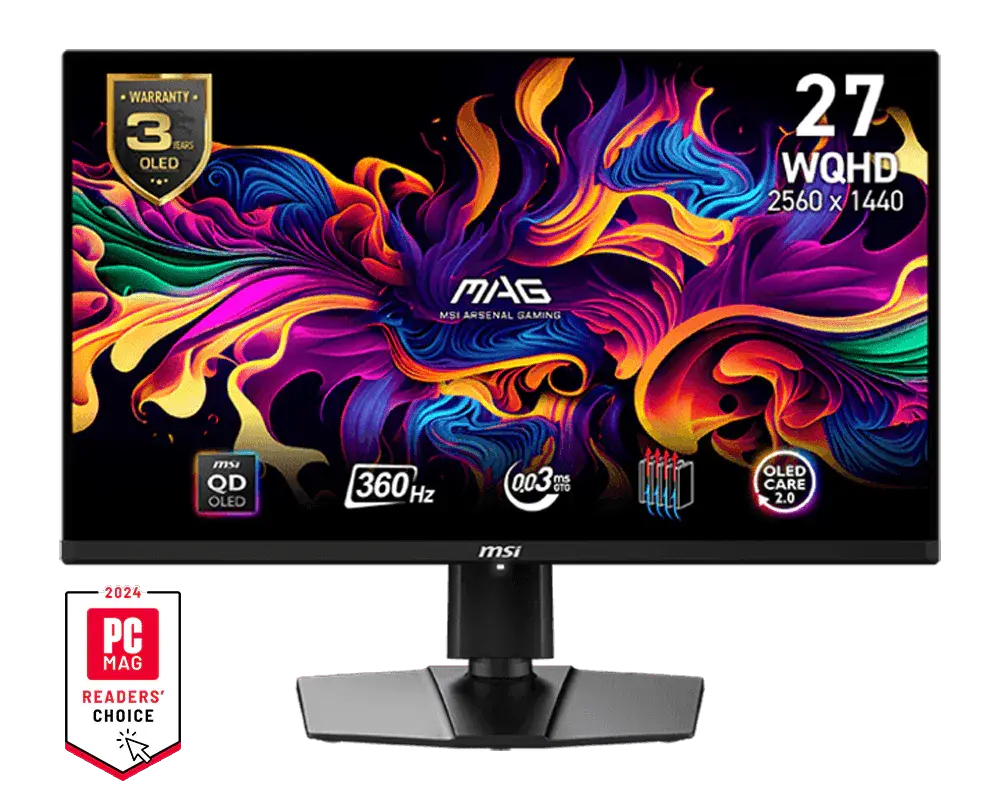 MSI MAG 271QPX QD-OLED26.5-inch · 2560 × 1440 · 360 Hz · MSI global specificationCompare the two
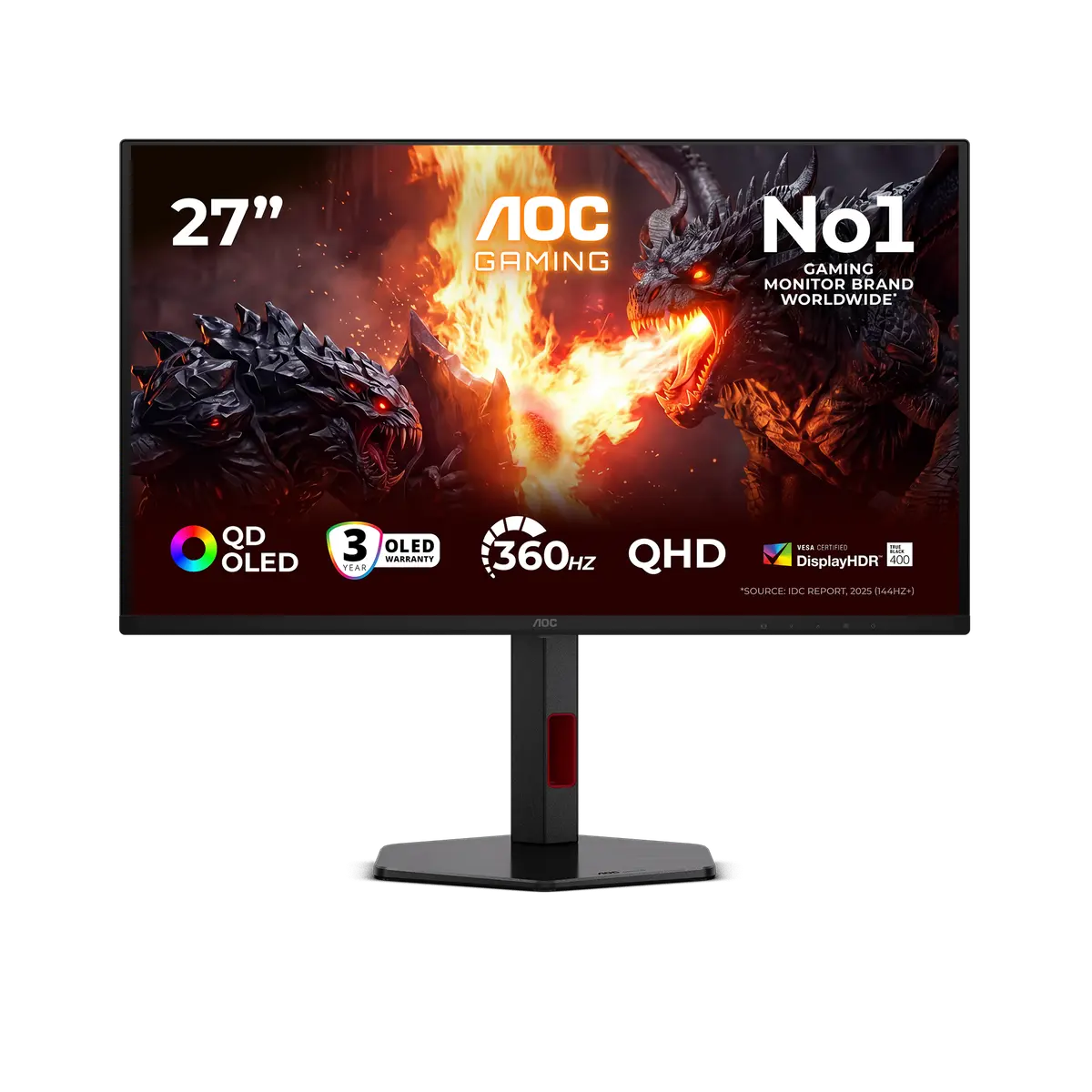 AOC Q27G4SDRQ27G4SDR · 26.5-inch QD - OLED · AOC UK specificationCompare the two
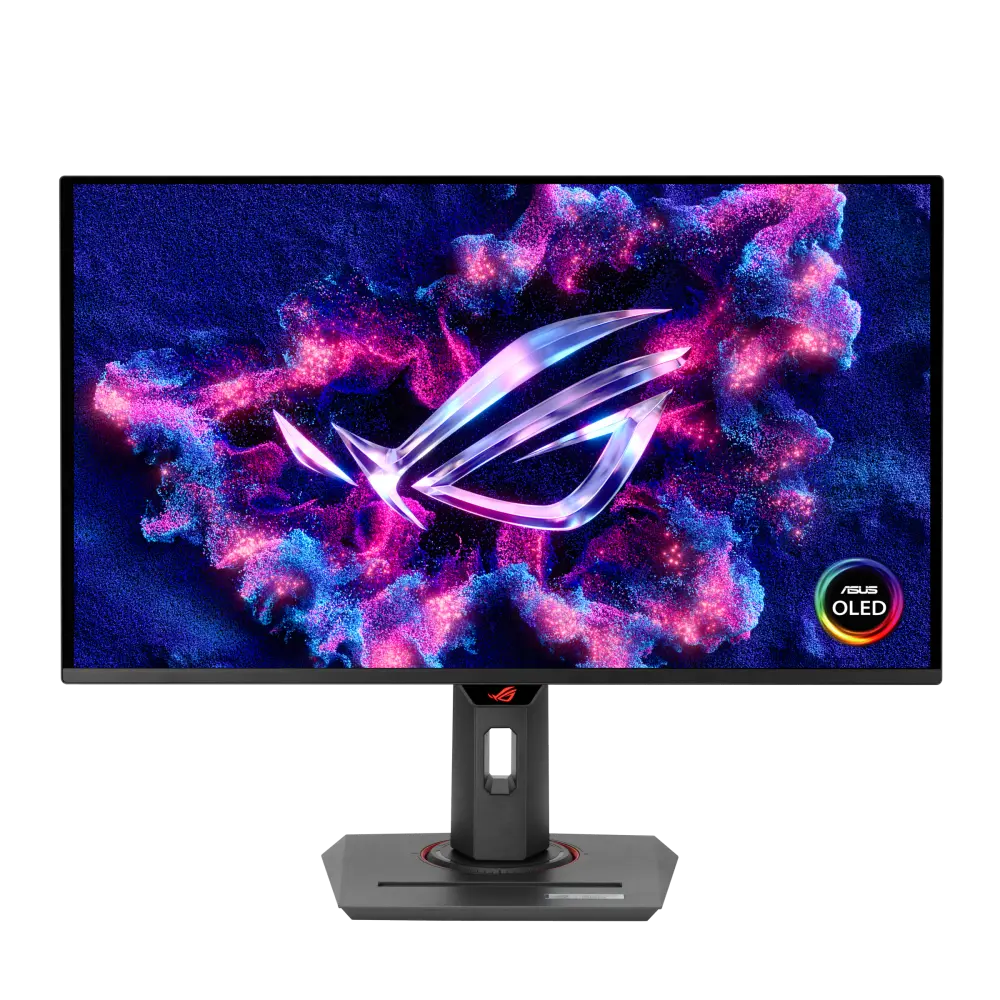 ASUS ROG Strix OLED XG27ACDNGUK manufacturer specification · ROG Strix OLED XG27ACDNGCompare the two
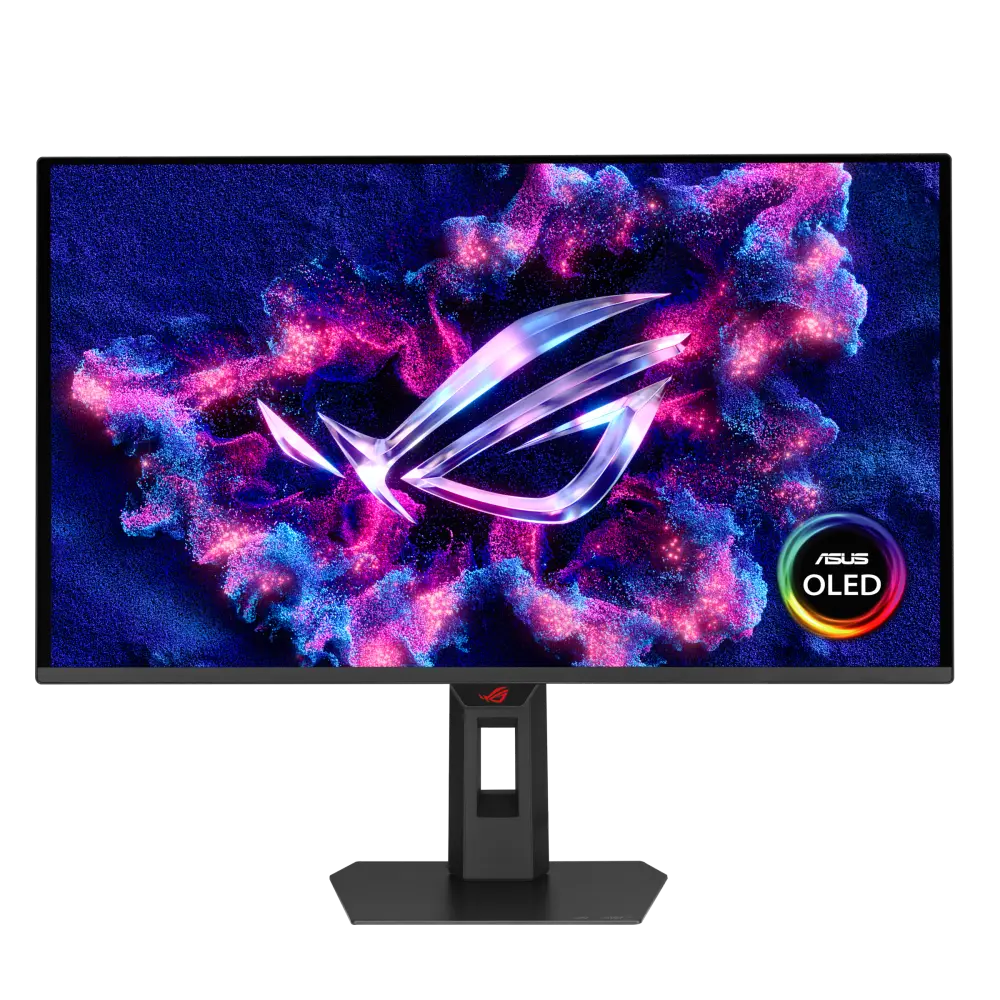 ASUS ROG Strix OLED XG27AQDNGUK manufacturer specification · ROG Strix OLED XG27AQDNGCompare the two
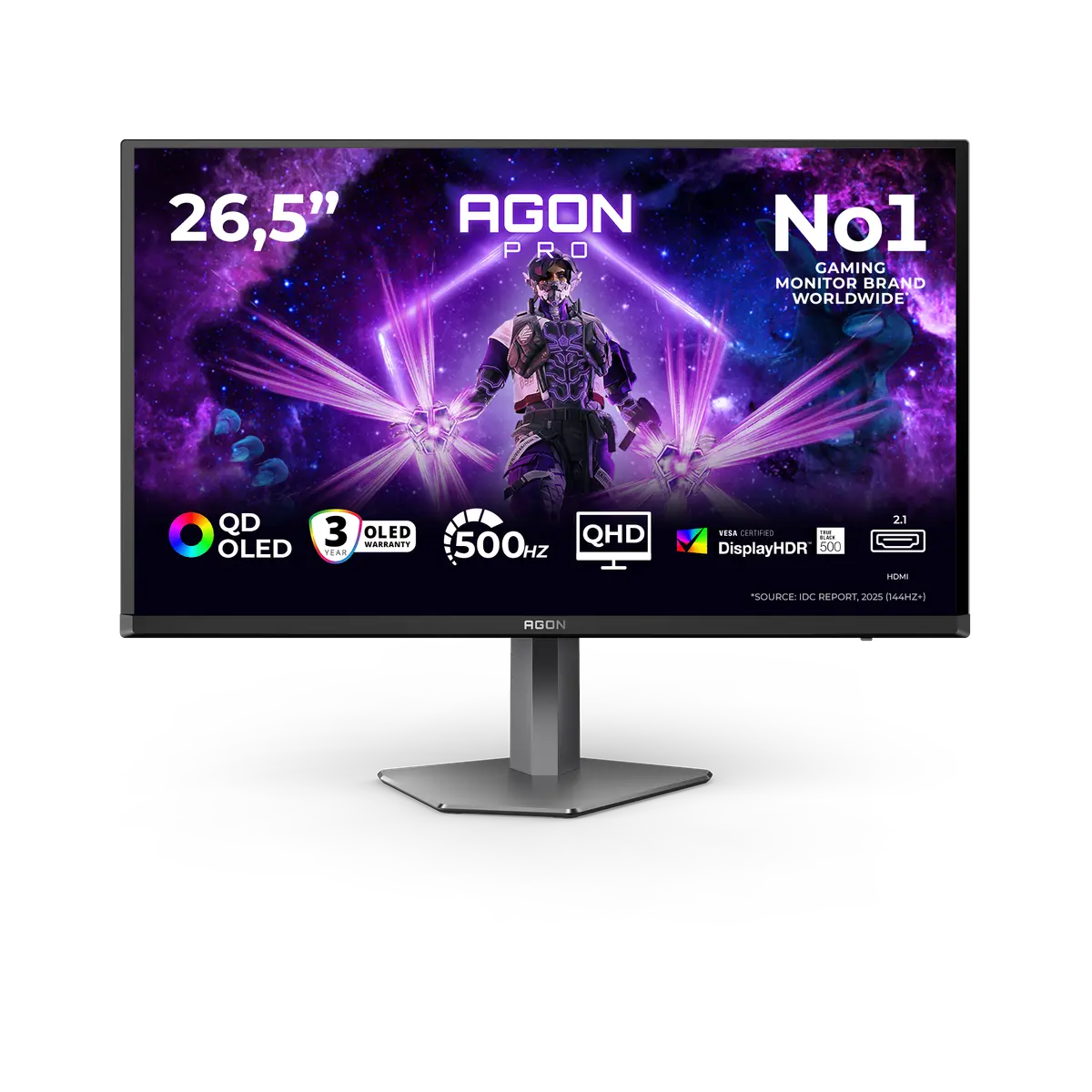 AOC AG276QKD2AG276QKD2 · 26.5-inch QD - OLED · AOC UK specificationCompare the two
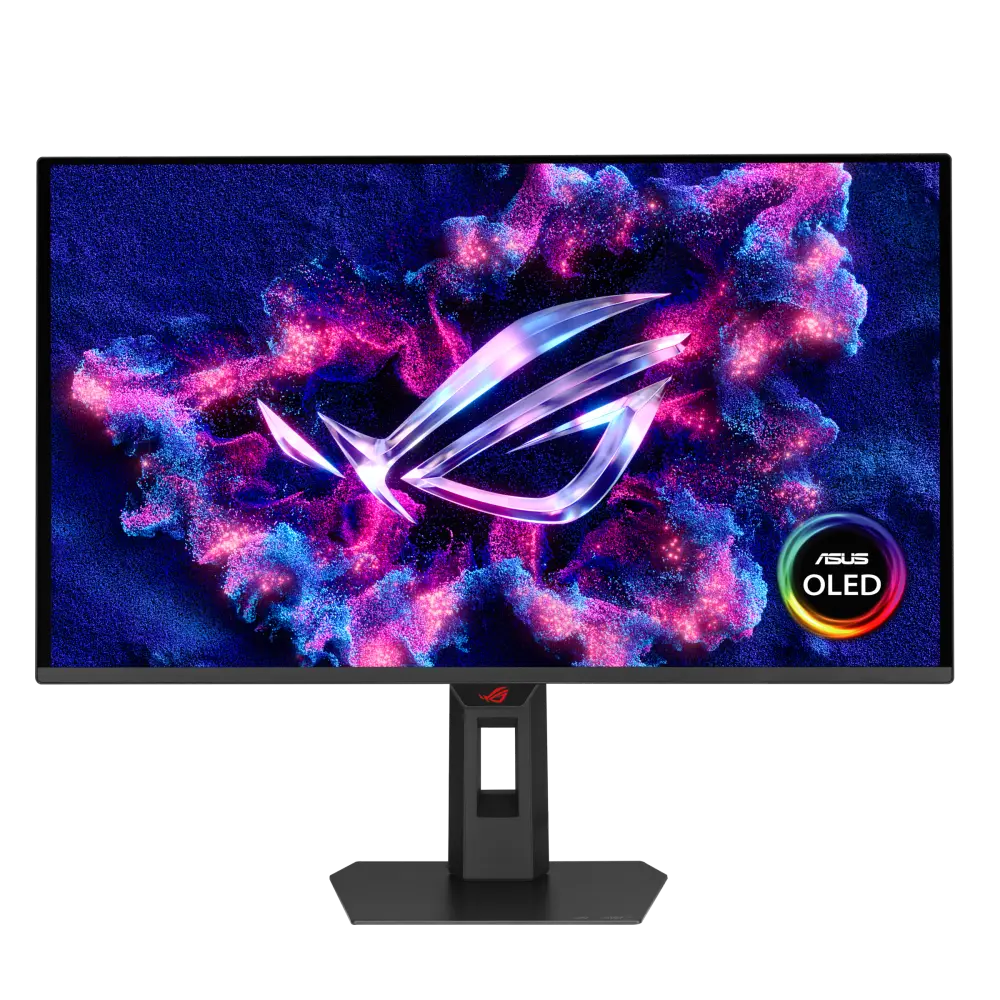 ASUS ROG Strix OLED XG27AQDPGUK manufacturer specification · ROG Strix OLED XG27AQDPGCompare the two
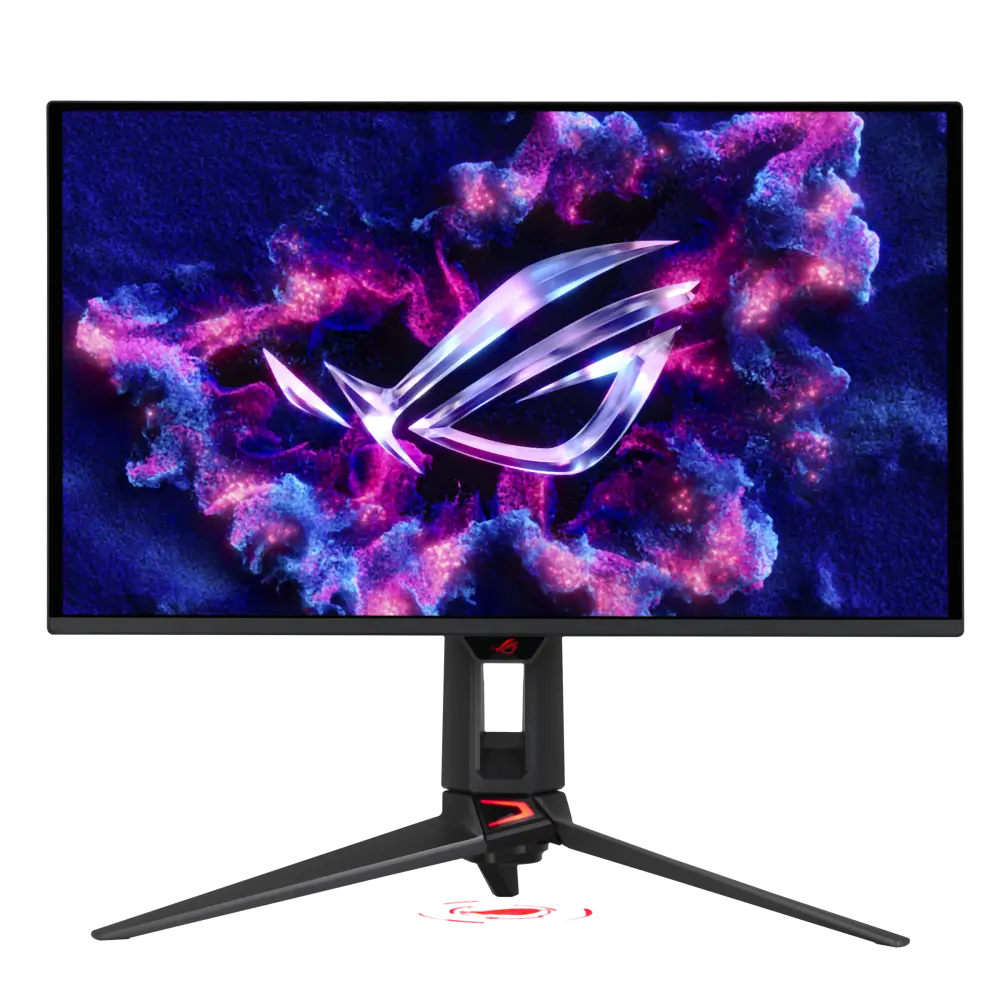 ASUS ROG Swift OLED PG27AQDPRGlobal manufacturer specification · ROG Swift OLED PG27AQDPRCompare the two
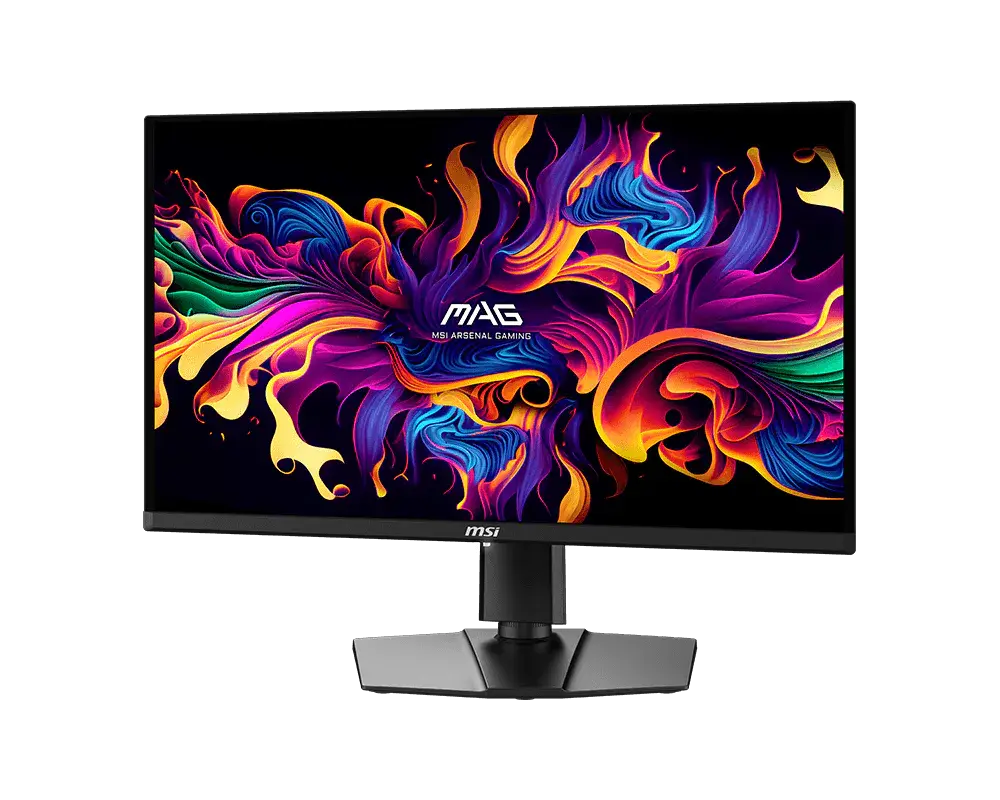 MSI MAG 271QPX QD-OLED E226.5-inch · 2560 × 1440 · 240 Hz · exact MSI global configurationCompare the two