


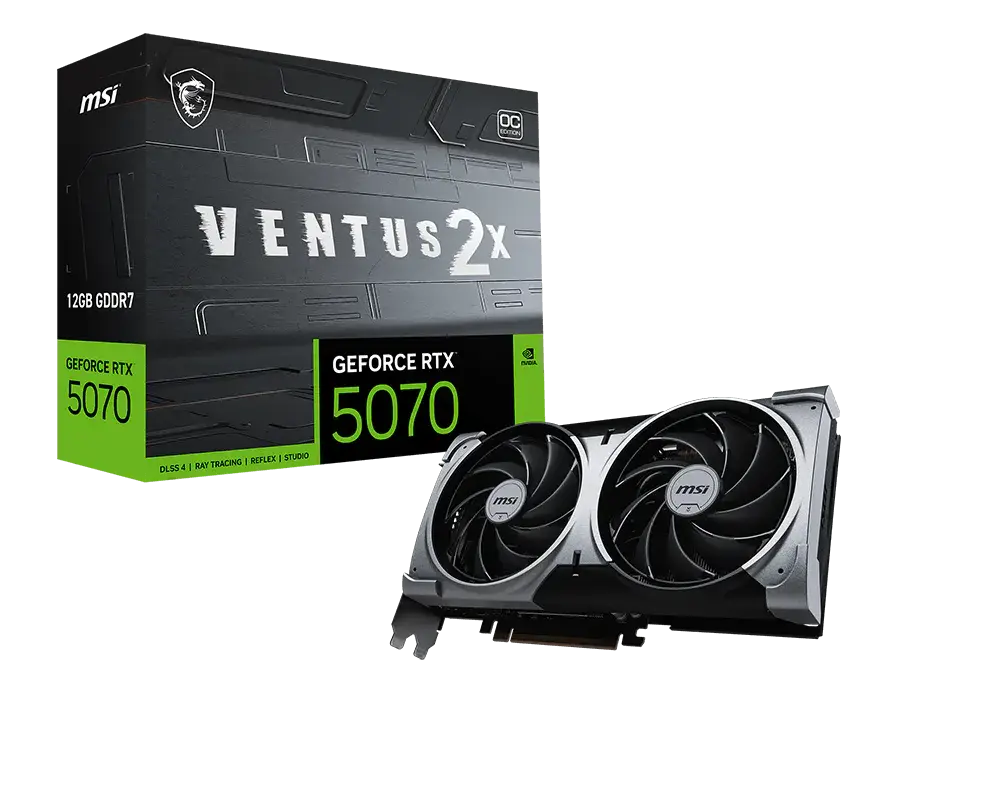
 MSI GeForce RTX 5070 12G VENTUS 2X OCG5070-12V2C · 12 GB GDDR7 · MSI global board specification
- Boost clock
- 2542 MHzThis one: 2510 MHz
- Card length
- 236 mmThis one: 242 mm

12 GB GDDR7 · NVIDIA Founders Edition board · NVIDIA part PG146A
NVIDIA's own GeForce RTX 5070 Founders Edition (compliance model PG146A) carries the GeForce RTX 5070 with 12 GB of GDDR7 on a 192-bit bus in a 242 mm, two-slot Founders Edition body. NVIDIA lists 250 W total graphics power and 650 W required system power.
As an Amazon Associate I earn from qualifying purchases.
Email me when the NVIDIA GeForce RTX 5070 Founders Edition gets cheaper on eBay. We check exact-model listings once a day at 12:00 UTC.
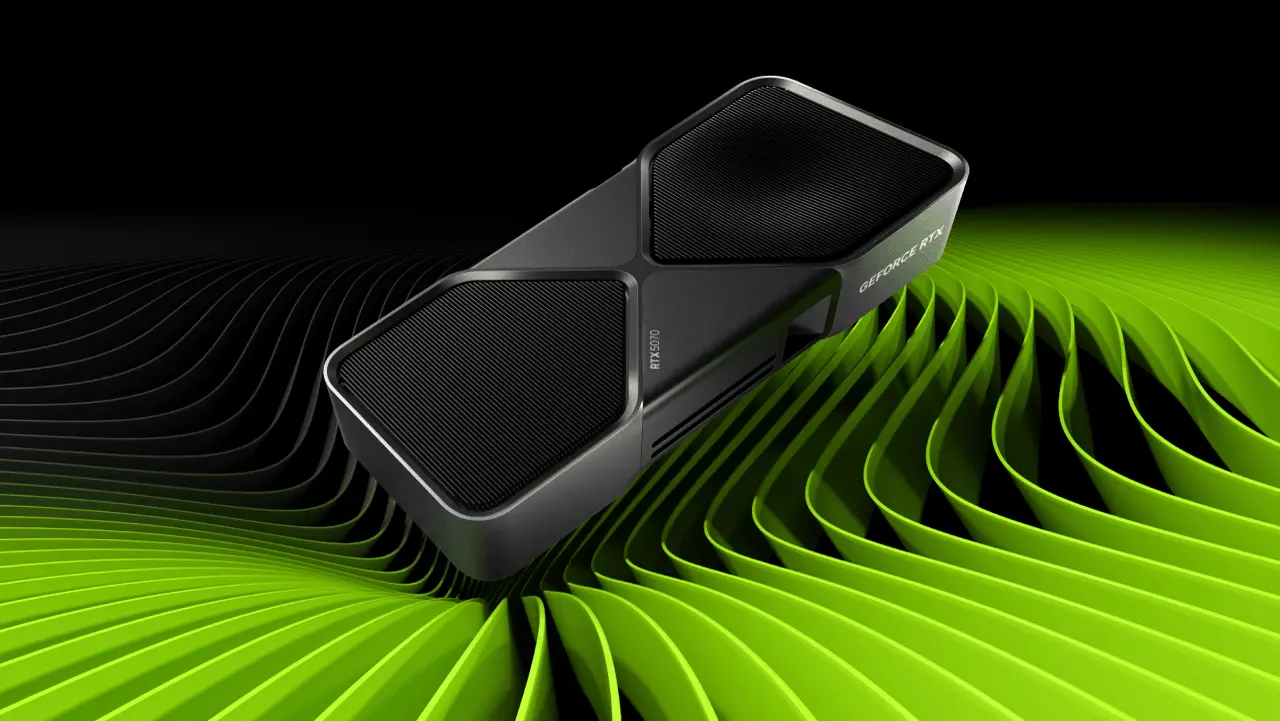
Specifications checked 26 Sept 2026Manufacturer specifications, not a hands-on test.
The nearest checked graphics cards by key specifications, with what differs from the NVIDIA GeForce RTX 5070 Founders Edition. The first matches the Compare button above.
MSI GeForce RTX 5070 12G VENTUS 2X OCG5070-12V2C · 12 GB GDDR7 · MSI global board specification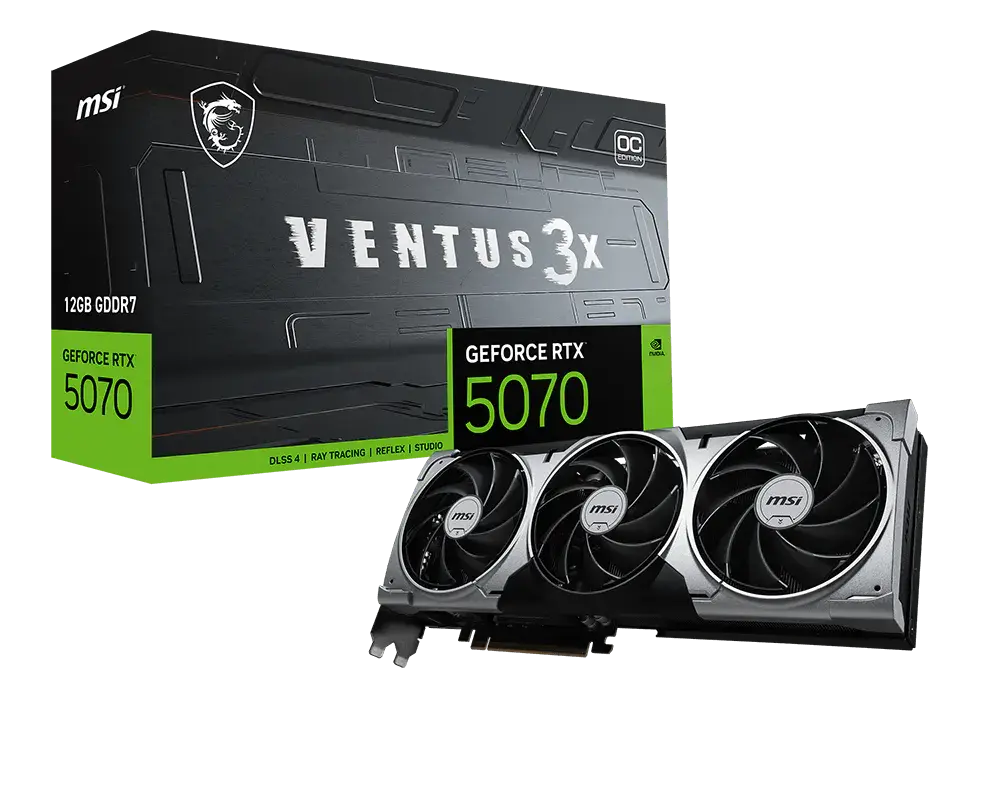 MSI GeForce RTX 5070 12G VENTUS 3X OCG5070-12V3C · 12 GB GDDR7 · MSI global board specification
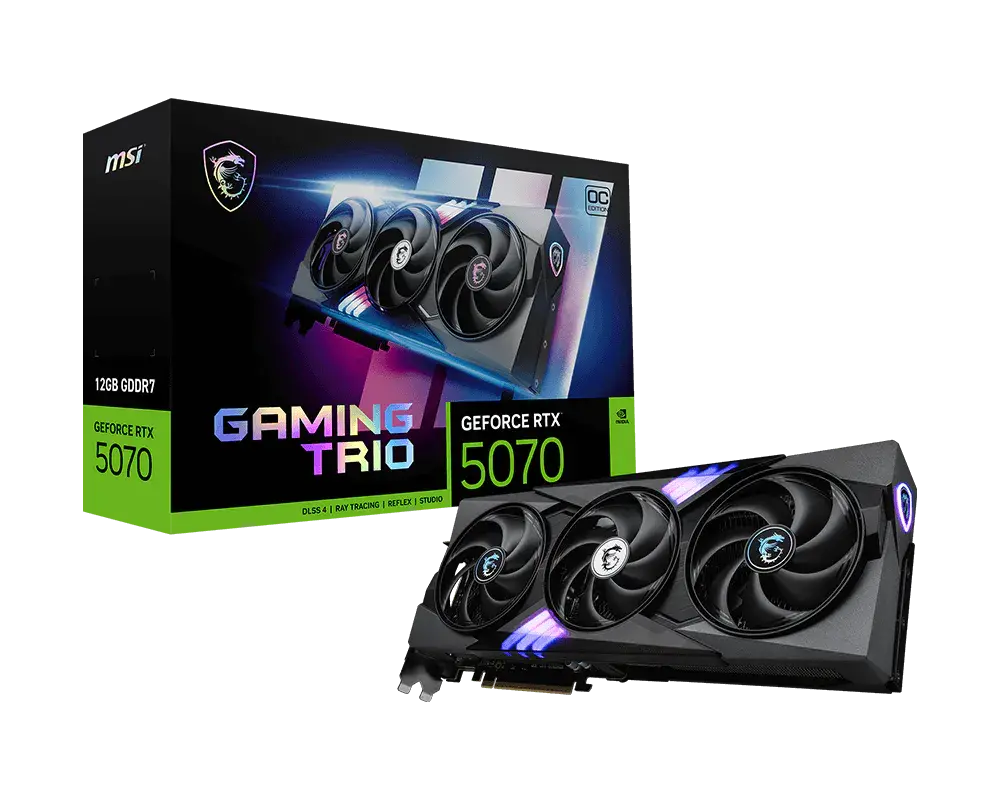 MSI GeForce RTX 5070 12G GAMING TRIO OC12 GB GDDR7 · Black · exact board configuration · MSI global specification
6,144 CUDA cores at a 2510 MHz boost clock, with 12 GB of GDDR7.
A two-slot card at 242 mm long, 62 mm shorter than the ASUS PRIME-RTX5070-O12G (304 mm); NVIDIA marks the Founders Edition SFF-Ready.
DLSS Multi Frame Generation, fourth-generation ray-tracing cores and AV1 encoding; three DisplayPort 2.1b (UHBR20) outputs and one HDMI 2.1b.
NVIDIA's specification page gives no retail part number; the quick-start guide identifies the card by compliance model PG146A. NVIDIA's table and quick-start guide give different minimum ratings for a PCIe Gen 5 power cable (300 W and 360 W); the in-box adapter takes 2 × PCIe 8-pin cables.
NVIDIA lists Reflex Frame Warp as coming soon, and no NVLink support.
Exact configuration: 12 GB GDDR7 · NVIDIA Founders Edition board
53 specifications in 10 groups. Values are manufacturer specifications unless a row says “Measured result” or “Calculated from cited specifications”. 1 row repeats a listed fact in the manufacturer’s own wording, kept under “Manufacturer wording”.
NVIDIA lists 2.51 GHz.
SourceNVIDIA lists 2.33 GHz. NVIDIA's family table lists GeForce RTX 5070 Ti and GeForce RTX 5070 columns in that order; value from the GeForce RTX 5070 column.
SourceThe motherboard slot determines the negotiated link.
SourceThe same facts in the manufacturer’s combined or original wording, each with its source.
NVIDIA total graphics power for the Founders Edition/reference design.
SourceNVIDIA states a 650 W required (minimum) system power, not a separate recommendation.
SourceNVIDIA's Founders Edition/reference figure. NVIDIA lists 650 W required system power, based on a Ryzen 9 9950X system.
SourceNVIDIA's RTX 5070 specification table lists '2x PCIe 8-pin cables (adapter in box) OR 300 W or greater PCIe Gen 5 cable'; the RTX 5070 quick-start guide lists 'At least two PCIe 8-pin cables (with RTX 5070 PCIe Gen 5 Power Connector Adapter)' or 'One 360 W or greater PCIe Gen 5 Cable (16-pin)'. The two official figures are kept as published; neither is chosen.
NVIDIA 'Required System Power', based on a Ryzen 9 9950X system; a PCIe CEM 5.1 compliant PSU is recommended.
SourceNVIDIA's specification table gives only '2-Slot' and no millimetre thickness. The quick-start guide asks for space for a '244mm (L) x 112mm (W) x 41mm (H) card'; NVIDIA presents this as installation space (its length, 244 mm, differs from the table's 242 mm card length), so 41 mm is not recorded as the card's thickness.
NVIDIA's RTX 5070 column: Length 242 mm, Width 112 mm, '2-Slot'. The quick-start guide separately asks for installation space for a 244mm (L) x 112mm (W) x 41mm (H) card. The page's 'Prepare your system' section is headed for the RTX 5090 Founders Edition and is not used for this card.
NVIDIA labels this dimension 'Width'.
SourceNVIDIA marks the Founders Edition SFF-Ready; check your case's clearance.
SourceDisplayPort 2.1b up to 4K 480 Hz or 8K 165 Hz with DSC; HDMI 2.1b up to 4K 480 Hz or 8K 120 Hz with DSC. The display and cable must support the chosen mode.
SourceNVIDIA lists HDCP 2.3.
SourceNVIDIA footnote: up to 4K 12-bit HDR at 480 Hz with DP 2.1b + DSC or HDMI 2.1b + DSC; up to 8K 12-bit HDR at 165 Hz with DP 2.1b + DSC; up to 8K 12-bit HDR at 120 Hz with HDMI 2.1b + DSC; with dual DP 2.1b + DSC, up to 8K HDR at 100 Hz. The display and cable must support the chosen mode. NVIDIA's family table lists GeForce RTX 5070 Ti and GeForce RTX 5070 columns in that order; value from the GeForce RTX 5070 column.
SourceNVIDIA's specification table lists Reflex Frame Warp as coming soon.
SourceNVIDIA lists 5th-generation Tensor Cores, 988 AI TOPS. NVIDIA's family table lists GeForce RTX 5070 Ti and GeForce RTX 5070 columns in that order; value from the GeForce RTX 5070 column.
SourceNVIDIA Tensor Cores (AI) row. Manufacturer peak figure, not a measured result. NVIDIA's family table lists GeForce RTX 5070 Ti and GeForce RTX 5070 columns in that order; value from the GeForce RTX 5070 column.
SourceNVIDIA lists 4th-generation Ray Tracing Cores, 94 TFLOPS. NVIDIA's family table lists GeForce RTX 5070 Ti and GeForce RTX 5070 columns in that order; value from the GeForce RTX 5070 column.
SourceNVIDIA lists fourth-generation ray-tracing cores. Games and drivers must support the feature.
SourceWorks in games that support it, with current NVIDIA drivers.
SourceNVIDIA lists it under DLSS 4 for this GPU. Works in games and apps that support the feature, with current NVIDIA drivers.
SourceNVIDIA lists it under DLSS 4 for this GPU. Works in games and apps that support the feature, with current NVIDIA drivers.
SourceNVIDIA lists it under DLSS 4 for this GPU. Works in games and apps that support the feature, with current NVIDIA drivers.
SourceNVIDIA lists it under DLSS 4 for this GPU. Works in games and apps that support the feature, with current NVIDIA drivers.
SourceNVIDIA lists Reflex 2 (Low Latency Mode). Requires a supported game.
SourceNVIDIA lists no NVLink support for the GeForce RTX 5070.
SourceRequires compatible drivers, operating system and games.
SourceRequires compatible drivers and applications.
SourceRequires compatible drivers and applications.
SourceRequires a compatible motherboard, CPU and firmware setting.
SourceRequires a G-SYNC compatible display and connection.
SourceNVIDIA lists AV1 encode for this GPU. Application support applies.
SourceNVIDIA specification table. NVIDIA's family table lists GeForce RTX 5070 Ti and GeForce RTX 5070 columns in that order; value from the GeForce RTX 5070 column. Codec, bit-depth and application support apply.
SourceNVIDIA specification table. NVIDIA's family table lists GeForce RTX 5070 Ti and GeForce RTX 5070 columns in that order; value from the GeForce RTX 5070 column. Codec, bit-depth and application support apply.
SourceNVIDIA specification table. NVIDIA's family table lists GeForce RTX 5070 Ti and GeForce RTX 5070 columns in that order; value from the GeForce RTX 5070 column. Codec, bit-depth and application support apply.
SourceNVIDIA specification table. NVIDIA's family table lists GeForce RTX 5070 Ti and GeForce RTX 5070 columns in that order; value from the GeForce RTX 5070 column. Codec, bit-depth and application support apply.
SourceNVIDIA lists AV1 decode for this GPU. Application support applies.
SourceEach listed 'Yes' in NVIDIA's Technology Support table. Application and OS requirements apply.
SourceMore of the nearest checked graphics cards by key specifications, for a side-by-side comparison.
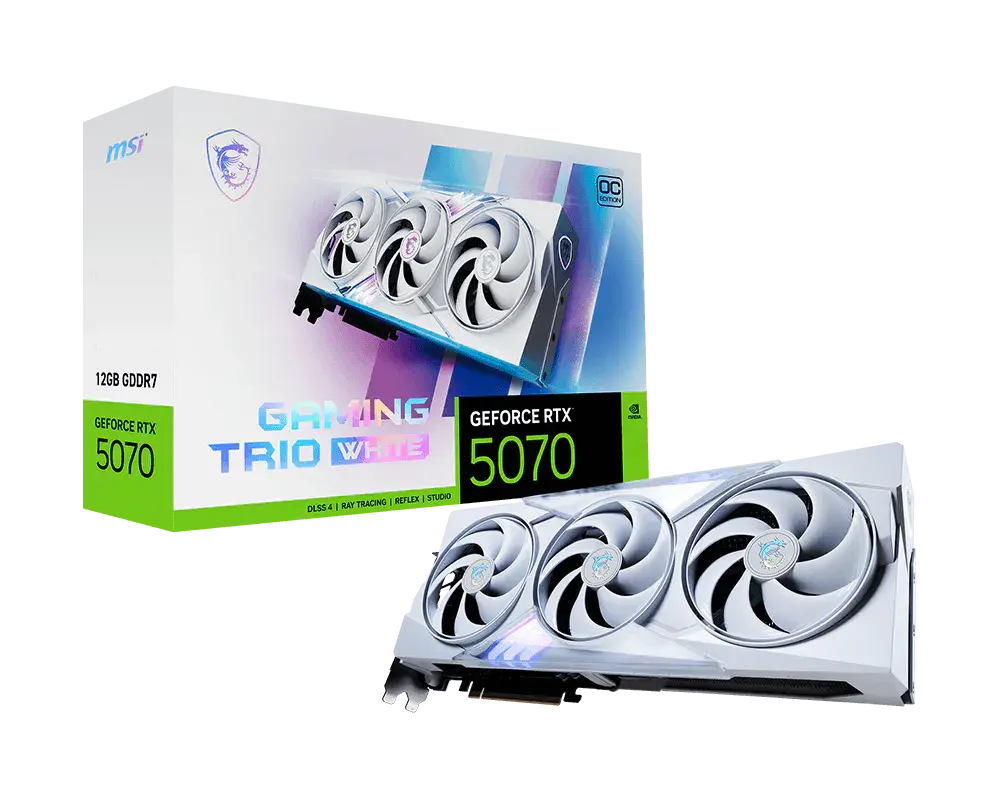 MSI GeForce RTX 5070 12G GAMING TRIO OC WHITE12 GB GDDR7 · White · exact board configuration · MSI global specificationCompare the two
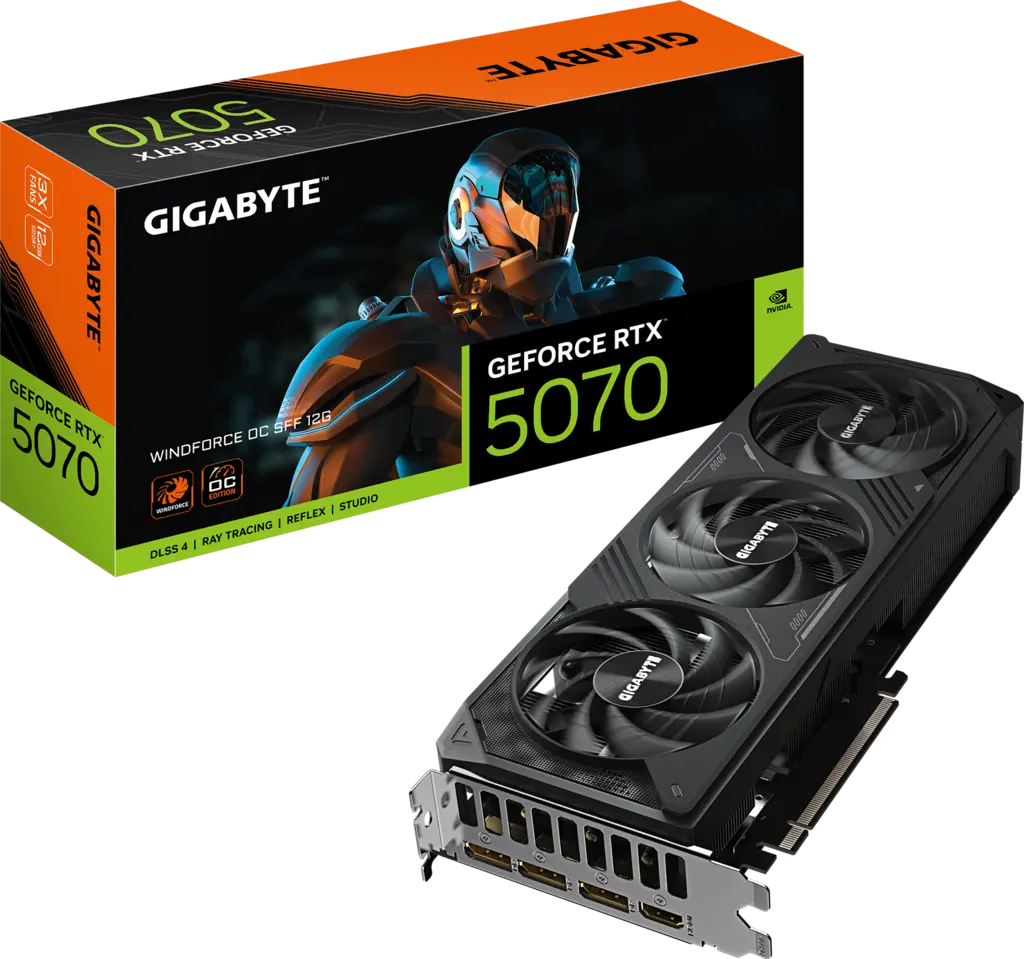 Gigabyte GeForce RTX 5070 WINDFORCE OC SFF 12GGV-N5070WF3OC-12GD · 12 GB GDDR7 · GIGABYTE global specificationCompare the two
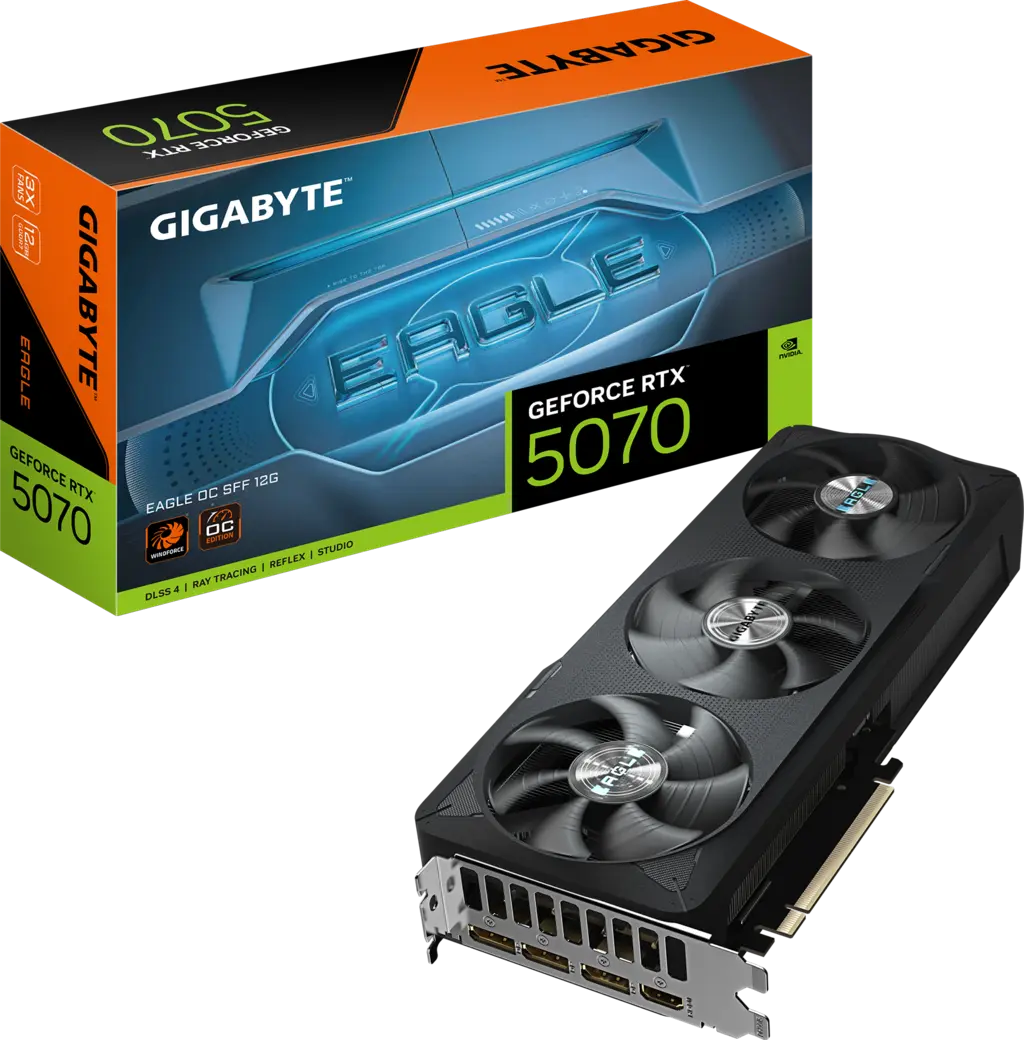 Gigabyte GeForce RTX 5070 EAGLE OC SFF 12GGV-N5070EAGLE OC-12GD · 12 GB GDDR7 · GIGABYTE global specificationCompare the two
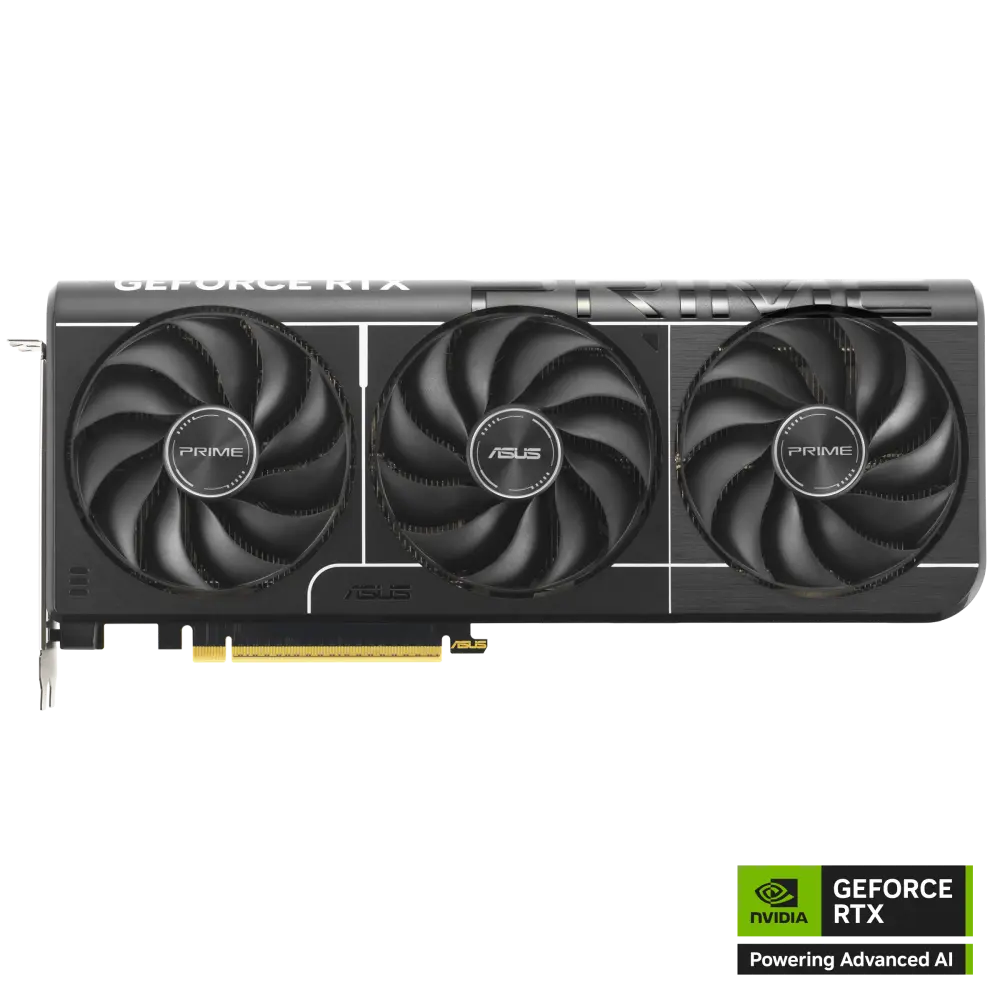 ASUS Prime GeForce RTX 5070 OC Edition 12GB GDDR7PRIME-RTX5070-O12G · 12 GB GDDR7 · OC Edition · ASUS global specificationCompare the two
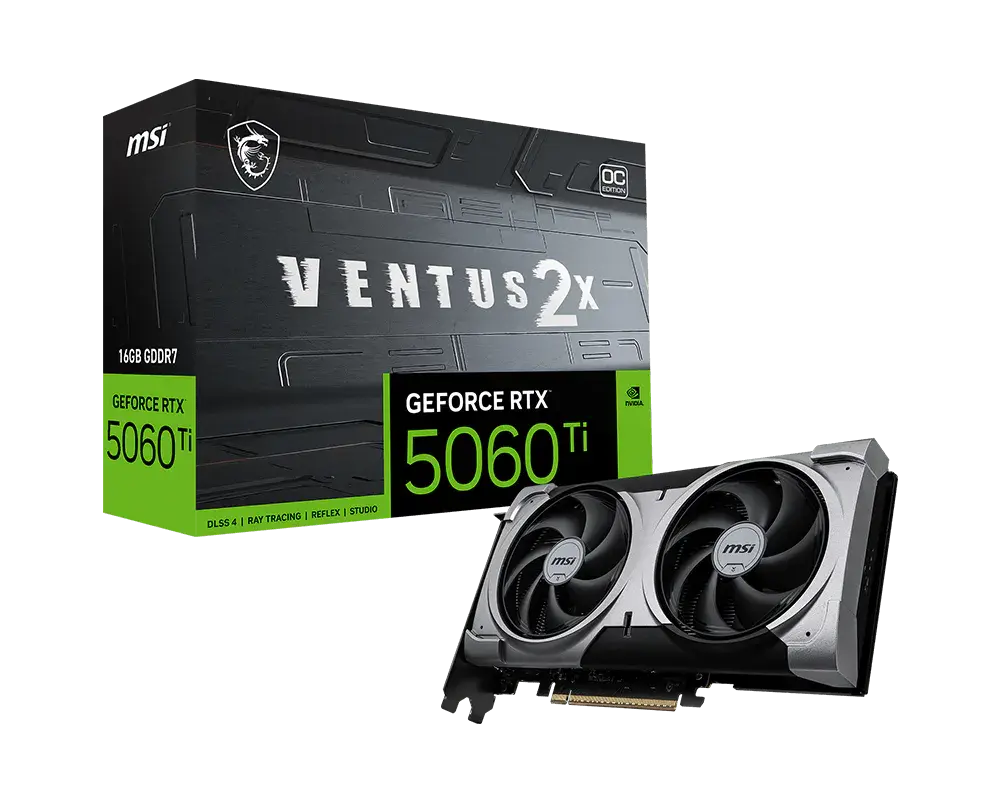 MSI GeForce RTX 5060 Ti 16G VENTUS 2X OC PLUS16 GB GDDR7 · Black / silver · exact board configuration · MSI global specificationCompare the two
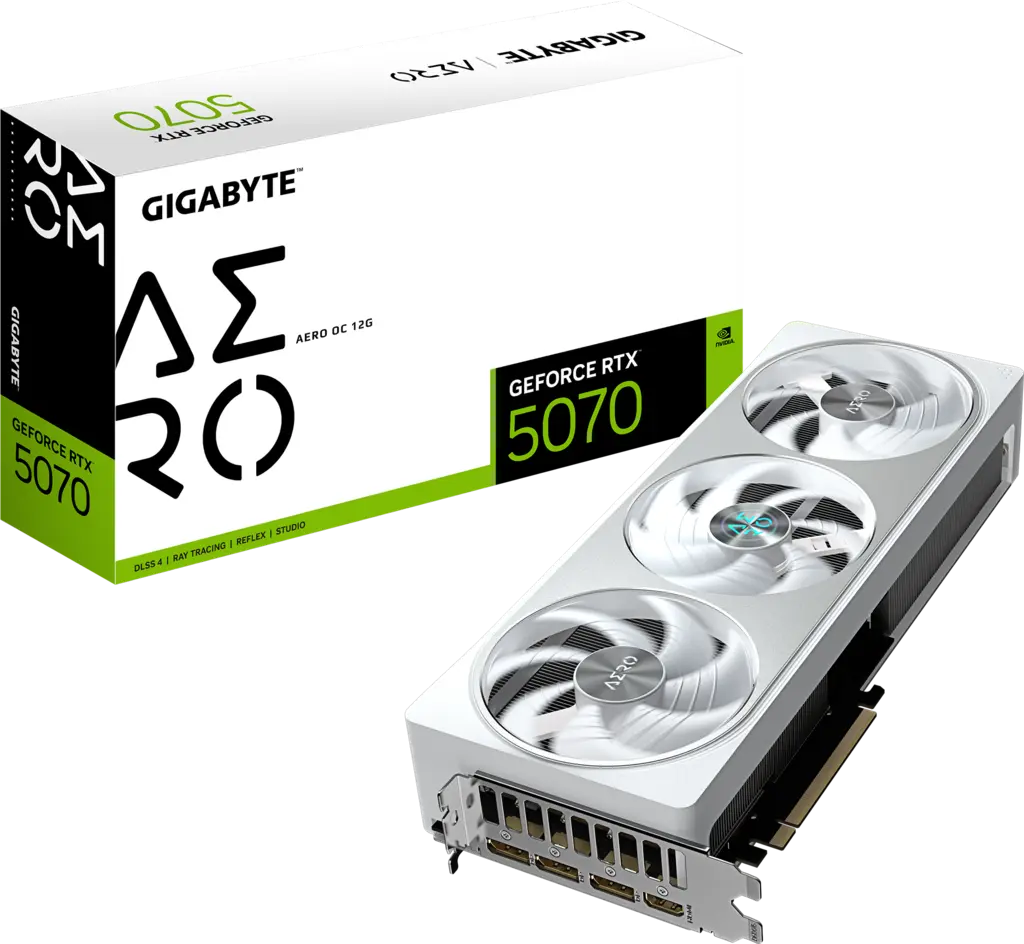 Gigabyte GeForce RTX 5070 AERO OC 12GGV-N5070AERO OC-12GD · 12 GB GDDR7 · GIGABYTE global specificationCompare the two
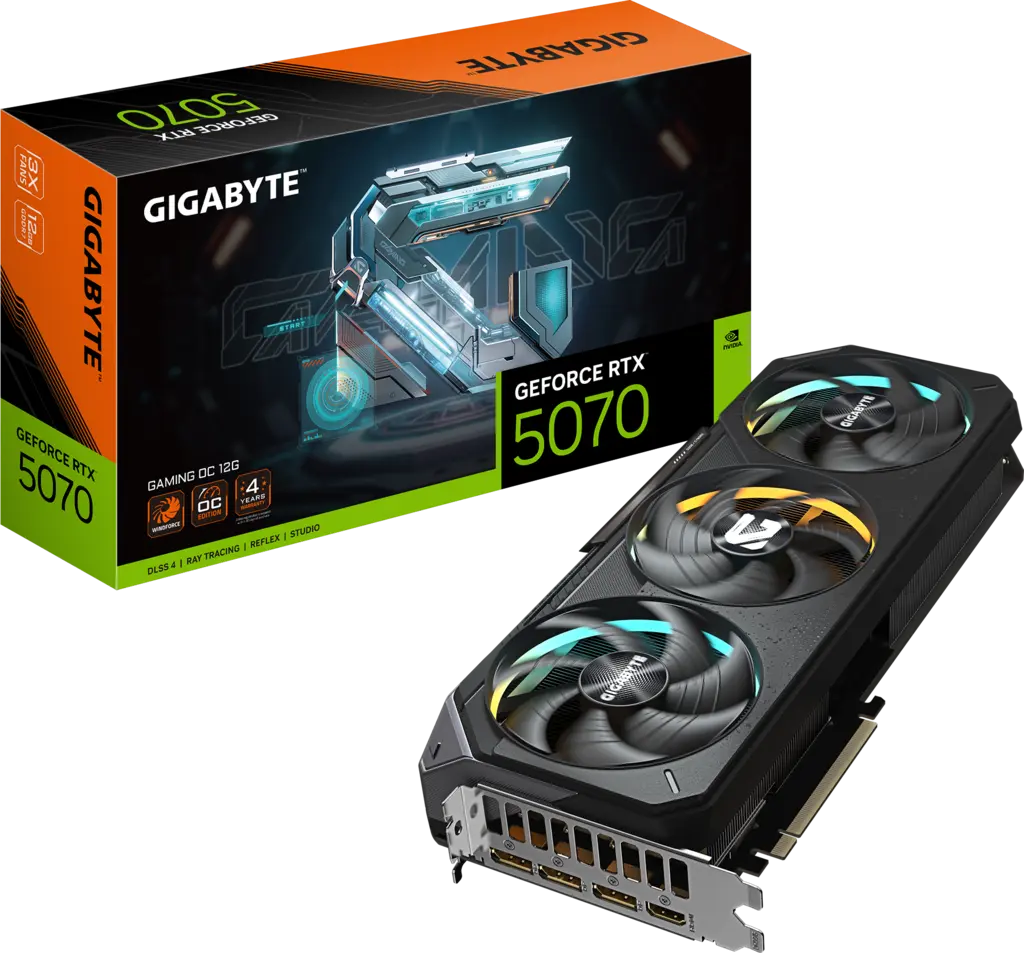 Gigabyte GeForce RTX 5070 GAMING OC 12GGV-N5070GAMING OC-12GD · 12 GB GDDR7 · GIGABYTE global specificationCompare the two
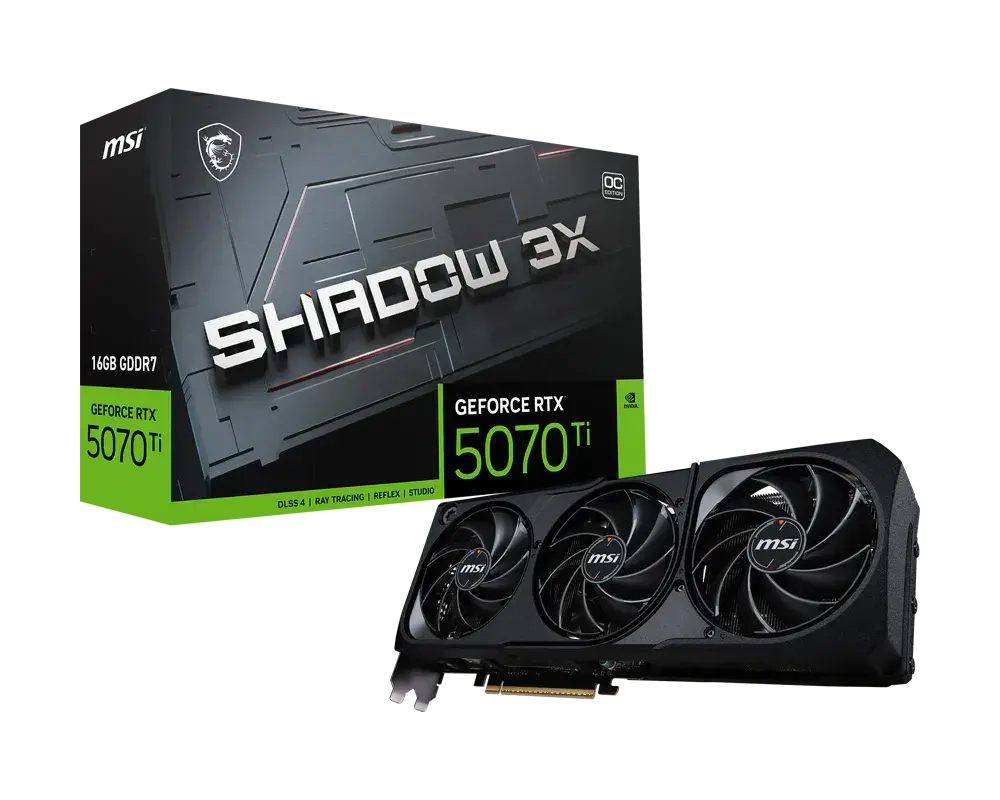 MSI GeForce RTX 5070 Ti 16G SHADOW 3X OC16 GB GDDR7 · Black · exact board configuration · MSI global specificationCompare the two