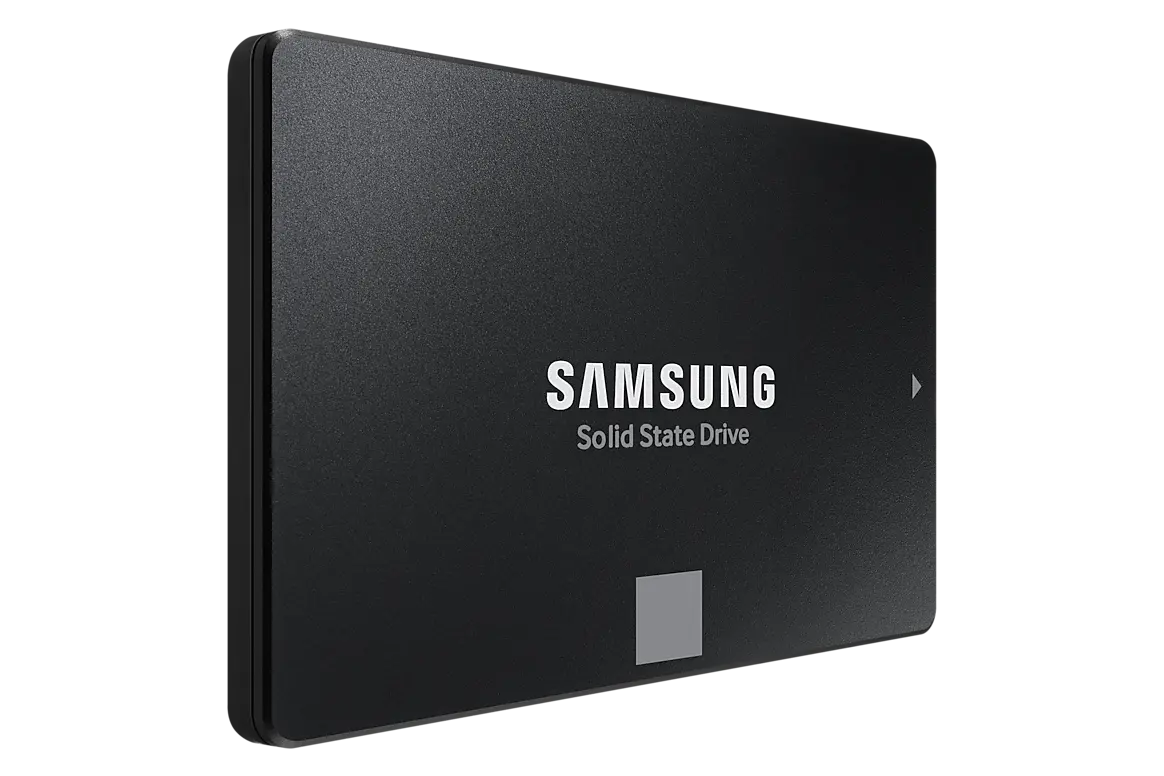
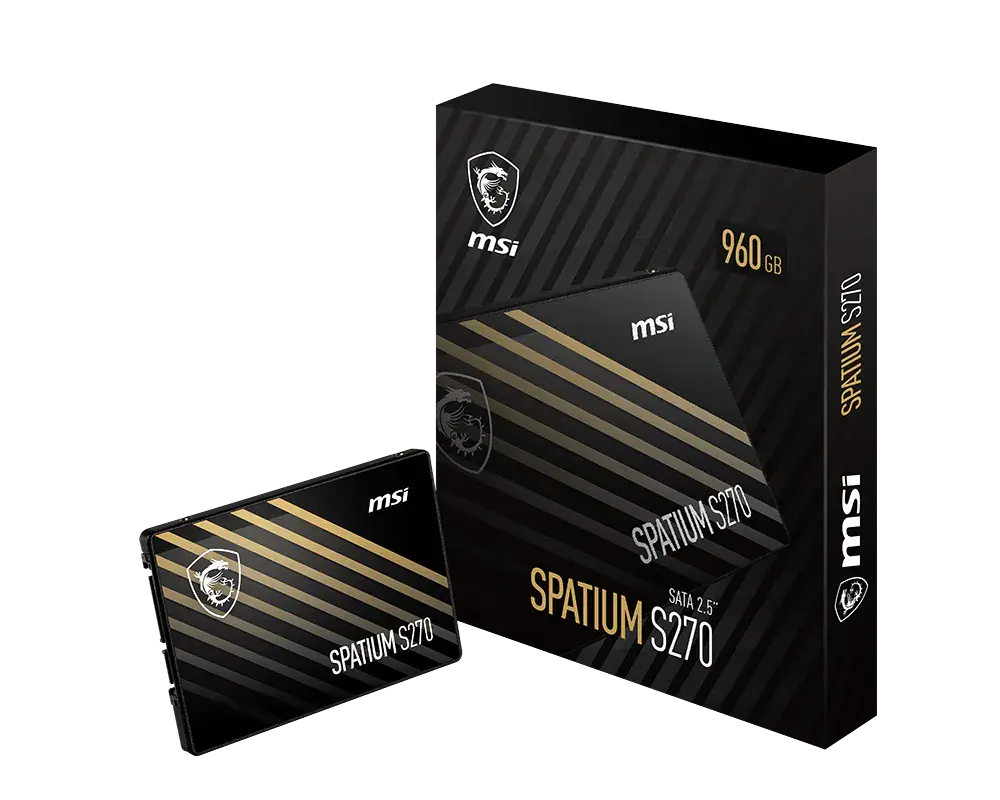
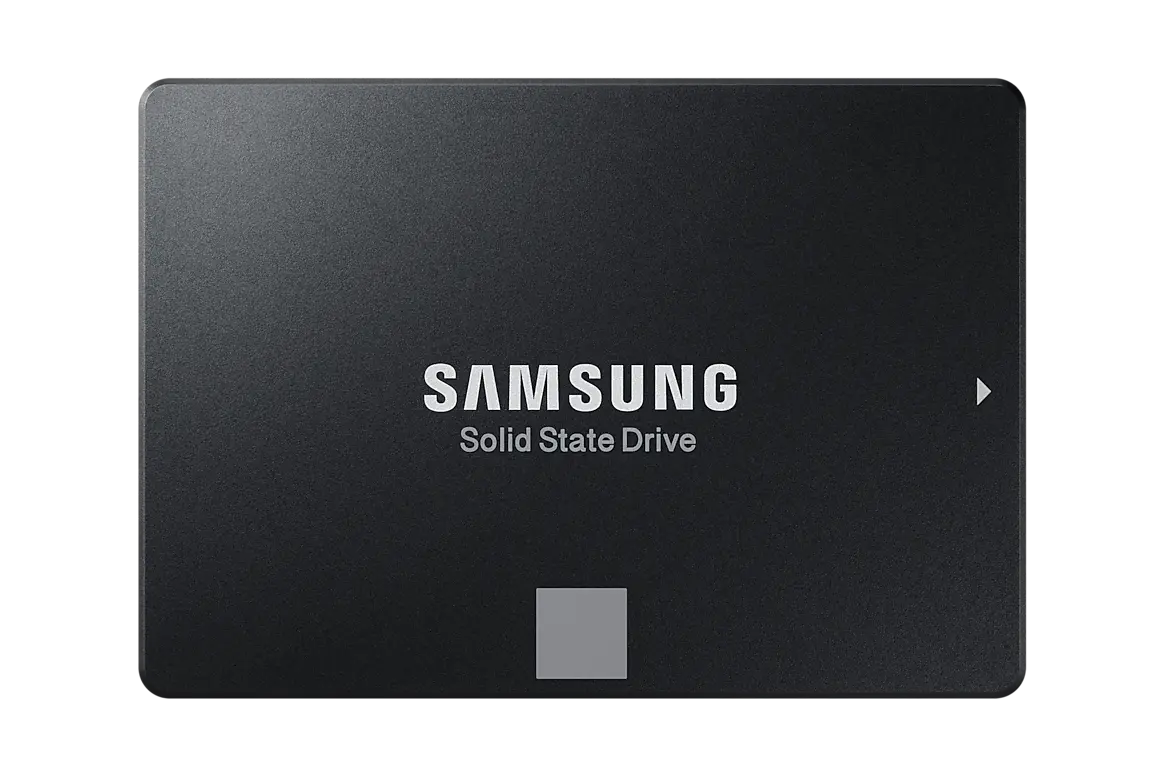
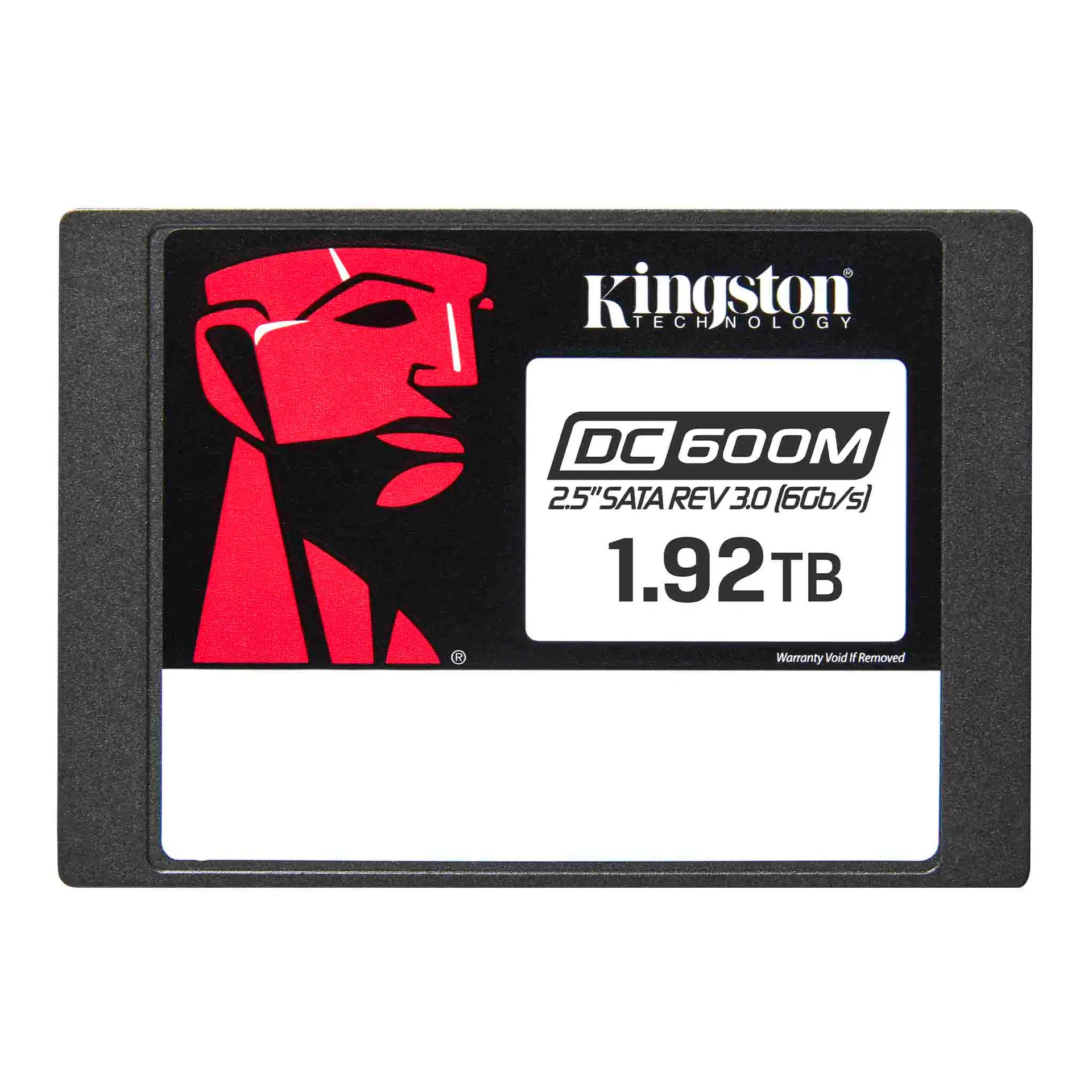
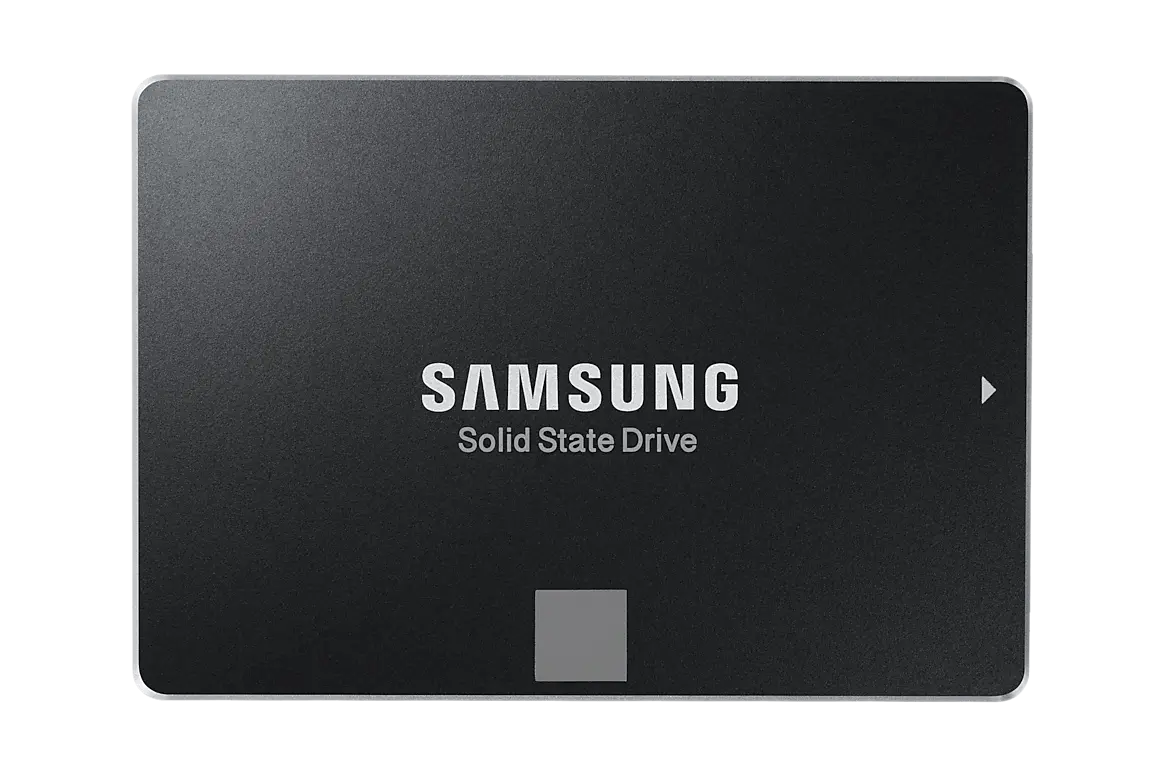
MSI's SPATIUM S270 is a 2.5-inch SATA 6 Gb/s SSD. The 960 GB version is rated up to 500 MB/s read and 450 MB/s write, lists 2.1 W maximum operating power and a 2-million-hour MTBF, and has a 5-year or 500 TB limited warranty.
Specifications checked 27 Sept 2026.
Amazon links open search results. Check the exact variant, current price and availability with the retailer.
Search links open retailer results, not a matched listing; eBay listings are checked daily. As an Amazon Associate I earn from qualifying purchases. As an eBay Partner, we may be compensated if you make a purchase.
THE DIFFERENCES, MADE VISIBLE
Visual facts
Differences first. Select a topic for its graphic, sources and conditions.
How to read this comparison
Manufacturer facts for the exact models shown. Not a quality rating or a test result.
“Different” means the known values differ, not that one is better.
Missing or conflicting evidence is marked and never counts as a difference. Source chips hold each fact’s sources and conditions.
SPECIFICATIONS SIDE BY SIDE8 topics
SELECTED TOPIC
01 / 08
Storage capacity
Decimal storage capacity: 1 TB = 1,000 GB. Formatting and system use reduce available space.
Samsung 870 EVO1 TB
Manufacturer specification · Decimal capacity; usable formatted space is lower.
Check the connection before the capacity. M.2 NVMe modules and 2.5-inch SATA drives are not interchangeable. Check the host’s protocol, slot or bay, power connection and clearance. Rated speeds use different test systems; we do not turn them into a speed score or overall winner.
Manufacturer specification · 960 GB value (120 GB: 40; 240 GB: 110; 480 GB: 250); not a guaranteed failure point. Value from the 960GB column of the data sheet (columns 120GB, 240GB, 480GB, 960GB); where the data sheet prints one value it applies to all capacities.
Named MKX on Samsung's UK 1 TB page; the current Rev2.0 PDF describes it only as a Samsung in-house controller. · Manufacturer specification · UK 1 TB page names MKX; current Rev2.0 PDF says in-house controller. Samsung does not guarantee the same revision across all production.
Check the software, operating-system and licence requirements. An available feature does not establish a measured speed improvement or support on every host.
Samsung 870 EVOUp to 560 MB/s sequential read; up to 530 MB/s cached sequential write; 530 MB/s after TurboWrite
MSI SPATIUM S270Up to 500 MB/s sequential read; up to 450 MB/s sequential write
Sources
Samsung 870 EVO
Manufacturer specification · Samsung Rev2.0 sequential claims use CrystalDiskMark 8.0.4 on an Intel Core i7-4790K, 16 GB DDR3, ASUS Z97 PRO and Windows 10 Pro system. Writes use Intelligent TurboWrite; the 1 TB after-cache claim is also 530 MB/s. Results vary with workload, firmware and system.
Manufacturer specification · MSI up-to claims measured as a secondary drive on an 11th Gen Intel Core i7-11700KF / MSI MPG Z590 GAMING CARBON WIFI / Windows 11 Pro 21H2 system over SATA 6 Gb/s, using CrystalDiskMark, ATTO Disk Benchmark and IOmeter. MSI does not list a post-cache write speed. Values from the 960GB column of the data sheet (columns 120GB, 240GB, 480GB, 960GB); where the data sheet prints one value it applies to all capacities.
Manufacturer peak claims depend on cache state, host and workload. Queue depth and test systems must match before performance can be compared; these figures do not establish a faster everyday drive.
Manufacturer specification · Samsung Rev2.0 sequential claims use CrystalDiskMark 8.0.4 on an Intel Core i7-4790K, 16 GB DDR3, ASUS Z97 PRO and Windows 10 Pro system. Writes use Intelligent TurboWrite; the 1 TB after-cache claim is also 530 MB/s. Results vary with workload, firmware and system.
Manufacturer specification · MSI up-to claims measured as a secondary drive on an 11th Gen Intel Core i7-11700KF / MSI MPG Z590 GAMING CARBON WIFI / Windows 11 Pro 21H2 system over SATA 6 Gb/s, using CrystalDiskMark, ATTO Disk Benchmark and IOmeter. MSI does not list a post-cache write speed.
Manufacturer peak claims depend on cache state, host and workload. Queue depth and test systems must match before performance can be compared; these figures do not establish a faster everyday drive.
Manufacturer specification · Samsung Rev2.0 sequential claims use CrystalDiskMark 8.0.4 on an Intel Core i7-4790K, 16 GB DDR3, ASUS Z97 PRO and Windows 10 Pro system. Writes use Intelligent TurboWrite; the 1 TB after-cache claim is also 530 MB/s. Results vary with workload, firmware and system.
Manufacturer specification · MSI up-to claims measured as a secondary drive on an 11th Gen Intel Core i7-11700KF / MSI MPG Z590 GAMING CARBON WIFI / Windows 11 Pro 21H2 system over SATA 6 Gb/s, using CrystalDiskMark, ATTO Disk Benchmark and IOmeter. MSI does not list a post-cache write speed. Value from the 960GB column of the data sheet (columns 120GB, 240GB, 480GB, 960GB); where the data sheet prints one value it applies to all capacities.
Manufacturer peak claims depend on cache state, host and workload. Queue depth and test systems must match before performance can be compared; these figures do not establish a faster everyday drive.
Rated random read
Samsung 870 EVO98000 IOPS
MSI SPATIUM S27055000 IOPS
Sources
Samsung 870 EVO
Manufacturer specification · Manufacturer 4 KB QD32 claim using IOmeter 1.1.0, Core i7-4790K / ASUS Z97 PRO / 16 GB DDR3 / Windows 10 Pro. Distinct from sequential CrystalDiskMark; not an independent test.
Manufacturer specification · MSI up-to 4 KB claim for 960 GB; queue depth not stated. Value from the 960GB column of the data sheet (columns 120GB, 240GB, 480GB, 960GB); where the data sheet prints one value it applies to all capacities.
Manufacturer peak claims depend on cache state, host and workload. Queue depth and test systems must match before performance can be compared; these figures do not establish a faster everyday drive.
Rated random write
Samsung 870 EVO88000 IOPS
MSI SPATIUM S27080000 IOPS
Sources
Samsung 870 EVO
Manufacturer specification · Manufacturer 4 KB QD32 claim using IOmeter 1.1.0, Core i7-4790K / ASUS Z97 PRO / 16 GB DDR3 / Windows 10 Pro. Distinct from sequential CrystalDiskMark; not an independent test.
Manufacturer specification · MSI up-to 4 KB claim for 960 GB; queue depth not stated. Value from the 960GB column of the data sheet (columns 120GB, 240GB, 480GB, 960GB); where the data sheet prints one value it applies to all capacities.
Manufacturer peak claims depend on cache state, host and workload. Queue depth and test systems must match before performance can be compared; these figures do not establish a faster everyday drive.
Warranty terms and endurance if applicable
Samsung 870 EVO5 years or 600 TB written, whichever comes first; limited-warranty terms apply
MSI SPATIUM S2705 years or 500 TB written, whichever comes first; limited-warranty terms apply
Check the exact configuration and source conditions for your use.
Published power conditions
Samsung 870 EVO2.0 W active read; 2.5 W active write; 30 mW idle; 3 mW device sleep
MSI SPATIUM S2702.1 W maximum operating; 330 mW PS3 idle; 4.9 mW low-power state (listed as L1.2)
Sources
Samsung 870 EVO
Manufacturer specification · 1 TB Rev2.0 column, IOmeter 1.1.0, Ryzen 9 7000-series / ASUS ProArt X670E / 32 GB DDR5 / Windows 11 Pro. CPU model is not further specified. Different from sequential/random host; idle requires DIPM; not a constant load.
Manufacturer specification · 960 GB column for maximum power and idle; the 4.9 mW low-power figure spans all capacities and is labelled 'L1.2' in the data sheet. Measured on MSI's stated test system; not a constant everyday load. Values from the 960GB column of the data sheet (columns 120GB, 240GB, 480GB, 960GB); where the data sheet prints one value it applies to all capacities.
MSI does not state this for this model. · Manufacturer specification · The S270 data sheet has no DRAM Cache row; absence of a row is not recorded as confirmed absence of DRAM.
MSI does not state this for this model. · Manufacturer specification · The advanced-feature list names TRIM, SMART, LDPC ECC and over-provisioning but no encryption.
Evidence is missing or conflicting on at least one side. This is not a verified difference.
Rated write after TurboWrite
Samsung 870 EVO530 MB/s
MSI SPATIUM S270Not verified
Sources
Samsung 870 EVO
Manufacturer specification · Current Rev2.0 gives 530 MB/s after TurboWrite for 1 TB; 250/500 GB are 300. Revision history changed the older 500 claim to 530. Not a guarantee for every system.
Evidence is missing or conflicting on at least one side. This is not a verified difference.
Device sleep support
Samsung 870 EVOYes
MSI SPATIUM S270Not verified
Sources
Samsung 870 EVO
Manufacturer specification · The UK page lists device sleep as supported. Host and operating-system support are required; Samsung gives no battery-life figure.
Evidence is missing or conflicting on at least one side. This is not a verified difference.
Listed NAND management features
Samsung 870 EVONot verified
MSI SPATIUM S270Over-provisioning
Sources
Samsung 870 EVO
No source recorded for this side.
MSI SPATIUM S270
Manufacturer specification · Listed as "Over-Provision" under the data sheet's Advanced Features, alongside TRIM, SMART and LDPC ECC (recorded in their own fields). The data sheet does not state the reserved capacity or percentage.
Evidence is missing or conflicting on at least one side. This is not a verified difference.
Rated steady-state random 4K read
Samsung 870 EVONot verified
MSI SPATIUM S270Not verified
Sources
Samsung 870 EVO
The reviewed complete Rev2.0 specification and exact UK product table give up-to 4 KB QD32 IOmeter figures but do not establish a steady-state read rating. The supported generic 98000 IOPS claim is retained separately. Missing steady-state scope does not mean poorer or absent performance. · Manufacturer specification
Evidence is missing or conflicting on at least one side. This is not a verified difference.
Rated steady-state random 4K write
Samsung 870 EVONot verified
MSI SPATIUM S270Not verified
Sources
Samsung 870 EVO
The reviewed complete Rev2.0 specification and exact UK product table give up-to 4 KB QD32 IOmeter figures but do not establish a steady-state write rating. The supported generic 88000 IOPS claim is retained separately. Missing steady-state scope does not mean poorer or absent performance. · Manufacturer specification
Evidence is missing or conflicting on at least one side. This is not a verified difference.
Published system-level power
Samsung 870 EVO2.5 W average; 4.0 W maximum in burst mode
MSI SPATIUM S270Not verified
Sources
Samsung 870 EVO
Manufacturer specification · The UK page labels these as system-level average and burst figures and says hardware/configuration affect them. These differ in scope from the datasheet active-read/write states and are not a constant everyday load.
Its SATA 6 Gb/s interface keeps rated speeds to 560 MB/s read. It needs a 2.5-inch bay with SATA data and power connections, and no cables or mounting kit are included.
MSI lists compatibility with SATA III (6 Gb/s), II (3 Gb/s) and I (1.5 Gb/s) hosts. · Manufacturer specification · Requires compatible SATA data and power connections.
Manufacturer specification · Samsung Rev2.0 sequential claims use CrystalDiskMark 8.0.4 on an Intel Core i7-4790K, 16 GB DDR3, ASUS Z97 PRO and Windows 10 Pro system. Writes use Intelligent TurboWrite; the 1 TB after-cache claim is also 530 MB/s. Results vary with workload, firmware and system.
Manufacturer specification · MSI up-to claims measured as a secondary drive on an 11th Gen Intel Core i7-11700KF / MSI MPG Z590 GAMING CARBON WIFI / Windows 11 Pro 21H2 system over SATA 6 Gb/s, using CrystalDiskMark, ATTO Disk Benchmark and IOmeter. MSI does not list a post-cache write speed. Values from the 960GB column of the data sheet (columns 120GB, 240GB, 480GB, 960GB); where the data sheet prints one value it applies to all capacities.
Up to 560 MB/s sequential read; up to 530 MB/s cached sequential write; 530 MB/s after TurboWrite
Up to 500 MB/s sequential read; up to 450 MB/s sequential write
Rated sequential readDifferentSources
Samsung 870 EVO
Manufacturer specification · Samsung Rev2.0 sequential claims use CrystalDiskMark 8.0.4 on an Intel Core i7-4790K, 16 GB DDR3, ASUS Z97 PRO and Windows 10 Pro system. Writes use Intelligent TurboWrite; the 1 TB after-cache claim is also 530 MB/s. Results vary with workload, firmware and system.
Manufacturer specification · MSI up-to claims measured as a secondary drive on an 11th Gen Intel Core i7-11700KF / MSI MPG Z590 GAMING CARBON WIFI / Windows 11 Pro 21H2 system over SATA 6 Gb/s, using CrystalDiskMark, ATTO Disk Benchmark and IOmeter. MSI does not list a post-cache write speed.
Manufacturer specification · Samsung Rev2.0 sequential claims use CrystalDiskMark 8.0.4 on an Intel Core i7-4790K, 16 GB DDR3, ASUS Z97 PRO and Windows 10 Pro system. Writes use Intelligent TurboWrite; the 1 TB after-cache claim is also 530 MB/s. Results vary with workload, firmware and system.
Manufacturer specification · MSI up-to claims measured as a secondary drive on an 11th Gen Intel Core i7-11700KF / MSI MPG Z590 GAMING CARBON WIFI / Windows 11 Pro 21H2 system over SATA 6 Gb/s, using CrystalDiskMark, ATTO Disk Benchmark and IOmeter. MSI does not list a post-cache write speed. Value from the 960GB column of the data sheet (columns 120GB, 240GB, 480GB, 960GB); where the data sheet prints one value it applies to all capacities.
Manufacturer specification · Current Rev2.0 gives 530 MB/s after TurboWrite for 1 TB; 250/500 GB are 300. Revision history changed the older 500 claim to 530. Not a guarantee for every system.
Manufacturer specification · Manufacturer 4 KB QD32 claim using IOmeter 1.1.0, Core i7-4790K / ASUS Z97 PRO / 16 GB DDR3 / Windows 10 Pro. Distinct from sequential CrystalDiskMark; not an independent test.
Manufacturer specification · MSI up-to 4 KB claim for 960 GB; queue depth not stated. Value from the 960GB column of the data sheet (columns 120GB, 240GB, 480GB, 960GB); where the data sheet prints one value it applies to all capacities.
Named MKX on Samsung's UK 1 TB page; the current Rev2.0 PDF describes it only as a Samsung in-house controller. · Manufacturer specification · UK 1 TB page names MKX; current Rev2.0 PDF says in-house controller. Samsung does not guarantee the same revision across all production.
MSI does not state this for this model. · Manufacturer specification · The S270 data sheet has no DRAM Cache row; absence of a row is not recorded as confirmed absence of DRAM.
Manufacturer specification · Listed as "Over-Provision" under the data sheet's Advanced Features, alongside TRIM, SMART and LDPC ECC (recorded in their own fields). The data sheet does not state the reserved capacity or percentage.
Manufacturer specification · 960 GB value (120 GB: 40; 240 GB: 110; 480 GB: 250); not a guaranteed failure point. Value from the 960GB column of the data sheet (columns 120GB, 240GB, 480GB, 960GB); where the data sheet prints one value it applies to all capacities.
MSI does not state this for this model. · Manufacturer specification · The advanced-feature list names TRIM, SMART, LDPC ECC and over-provisioning but no encryption.
Manufacturer specification · The UK page lists device sleep as supported. Host and operating-system support are required; Samsung gives no battery-life figure.
Manufacturer specification · 1 TB Rev2.0 column, IOmeter 1.1.0, Ryzen 9 7000-series / ASUS ProArt X670E / 32 GB DDR5 / Windows 11 Pro. CPU model is not further specified. Different from sequential/random host; idle requires DIPM; not a constant load.
Manufacturer specification · 960 GB column for maximum power and idle; the 4.9 mW low-power figure spans all capacities and is labelled 'L1.2' in the data sheet. Measured on MSI's stated test system; not a constant everyday load. Values from the 960GB column of the data sheet (columns 120GB, 240GB, 480GB, 960GB); where the data sheet prints one value it applies to all capacities.
Manufacturer specification · The UK page labels these as system-level average and burst figures and says hardware/configuration affect them. These differ in scope from the datasheet active-read/write states and are not a constant everyday load.
Show unverified (2)Not verified, not provided or conflicting for both products. Kept for completeness; never counted as a difference.
Specifications without verified values for either product
Rated steady-state random 4K readSources
Samsung 870 EVO
The reviewed complete Rev2.0 specification and exact UK product table give up-to 4 KB QD32 IOmeter figures but do not establish a steady-state read rating. The supported generic 98000 IOPS claim is retained separately. Missing steady-state scope does not mean poorer or absent performance. · Manufacturer specification
The reviewed complete Rev2.0 specification and exact UK product table give up-to 4 KB QD32 IOmeter figures but do not establish a steady-state write rating. The supported generic 88000 IOPS claim is retained separately. Missing steady-state scope does not mean poorer or absent performance. · Manufacturer specification
Each record represents an explicitly checked model and configuration. Original import: 5 Sept 2026; this is not its verification date. This is not a list of current offers or a popularity ranking.